Share
Linkedin
Twitter
Facebook
Whatsapp
Copy Link
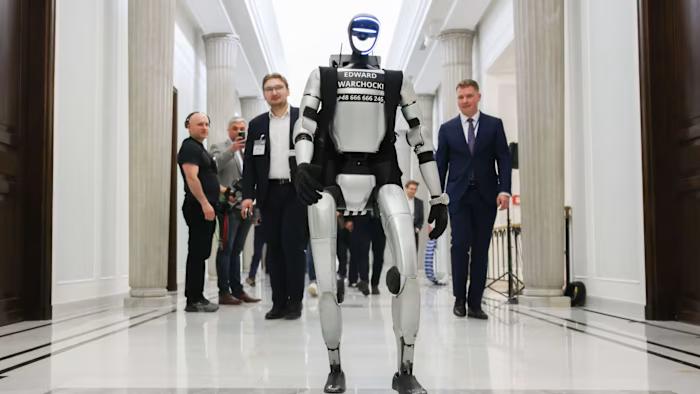
Elon Musk announced plans to build Terafab, a massive chip manufacturing complex in Austin, Texas, to produce a terawatt of computing power annually for Tesla and SpaceX. The project aims to address the global shortage of AI chips needed for humanoid robots and space-based AI systems. However, analysts estimate the venture could cost $5 trillion and require over 140 fabs, raising questions about feasibility and whether Musk's real goal is to pressure existing chipmakers to increase production.
Iranian drone strikes on Qatar's Ras Laffan facility have halted production at the world's largest helium source, cutting off 30% of global supply. The semiconductor industry faces a critical shortage in weeks, threatening AI chip production as South Korea's SK Hynix and Samsung hold only two to three months of inventory.
Xiaomi launched its next-gen SU7 Series electric vehicle in China, featuring NVIDIA DRIVE AGX Thor for advanced assisted driving and Snapdragon 8 Gen 3 for cabin computing. The facelift delivers up to 902km CLTC range with ultra-fast charging capabilities, priced from RMB 219,900. The company received 15,000 orders within 34 minutes of launch.
Uber is investing up to $1.25 billion in Rivian to deploy 50,000 fully autonomous R2 robotaxis across 25 cities by 2031. The deal begins with a $300 million initial investment and 10,000 vehicles launching in San Francisco and Miami in 2028. This marks Uber's largest robotaxi commitment as it positions itself as a marketplace for autonomous vehicle operators.
Super Micro faces a securities fraud lawsuit from shareholders who claim the company concealed its dependence on illegal Chinese sales. The lawsuit follows federal charges against co-founder Yih-Shyan Wally Liaw and two employees for allegedly smuggling $2.5 billion worth of AI servers to China, representing over 16% of the company's 2024 revenue. The revelations triggered a 33% stock plunge, erasing more than $6 billion in market value.
Elon Musk announced that Tesla and SpaceX AI will continue ordering Nvidia chips at scale while developing the fifth-generation AI5 chip. The AI5 chip is optimized for AI edge compute in Optimus humanoid robots and Robotaxis, though it can also support data center applications. Musk praised Nvidia and Jensen Huang while revealing Tesla's Terafab project launches soon.
AMD CEO Lisa Su secured a memorandum of understanding with Samsung for HBM4 memory supply to power next-generation Instinct MI455X AI accelerators and DDR5 for EPYC processors. The deal includes discussions for a potential foundry partnership that could see Samsung manufacturing AMD's future chips, marking a significant shift in AMD's production strategy beyond TSMC.
Tesla CEO Elon Musk announced the company may finalize its next-generation AI6 chips design by December 2026, with Samsung Electronics set to begin mass production in the second half of 2027. The chips will power Tesla's self-driving cars, humanoid robots, and data centers under a $16.5 billion partnership that signals a strategic shift toward building an independent AI ecosystem.
Micron Technology delivered a stunning forecast, projecting third-quarter revenue of $33.5 billion—far exceeding Wall Street's $24.29 billion estimate. The chipmaker's second-quarter revenue nearly tripled to $23.86 billion as surging demand for memory chips used in artificial intelligence hardware drives an unprecedented market shift. However, shares dipped 4% after the company raised its capital expenditure to over $25 billion.
Chinese cloud providers are implementing steep price increases as the AI boom strains global supply chains. Alibaba Cloud is hiking prices by up to 34% for GPU-intensive offerings, while Tencent and Baidu Cloud follow with similar adjustments. The moves signal a shift toward monetizing AI investments amid rising infrastructure costs and semiconductor shortages.
Samsung Electronics predicts robust chip demand through 2026, fueled by the global artificial intelligence wave. However, the company's co-CEO warns that rising memory chip prices could create headwinds for computer and mobile shipments, presenting a complex market outlook for the semiconductor giant.
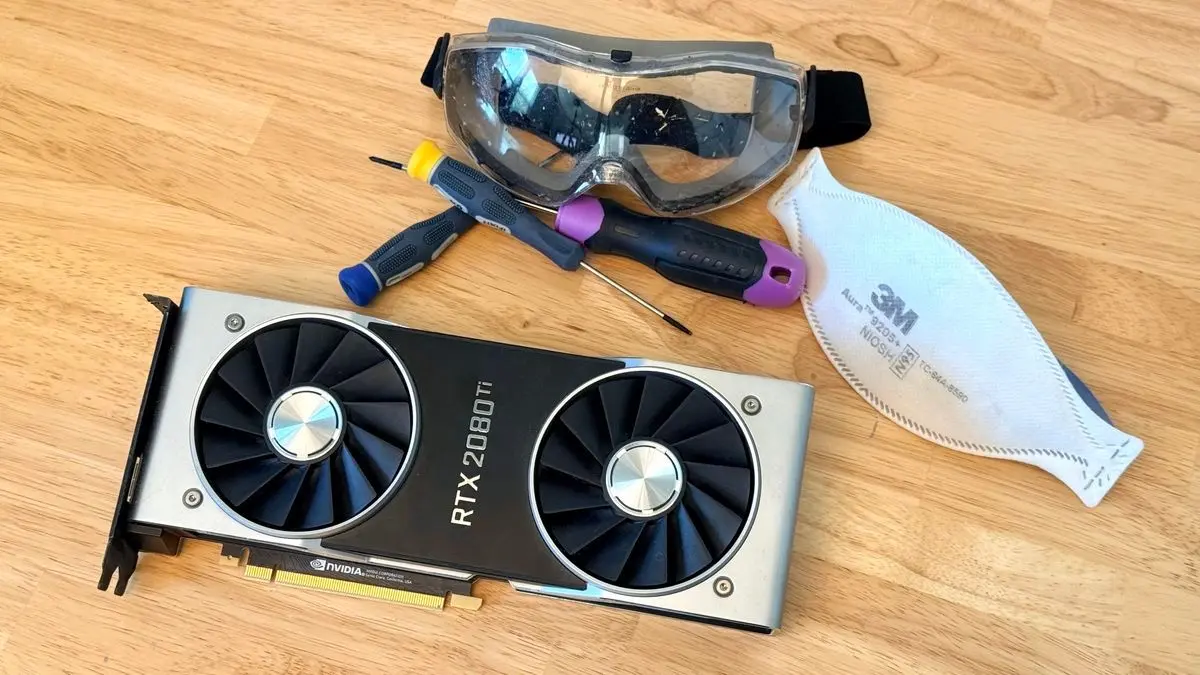
NVIDIA introduced the RTX PRO 4500 Blackwell Server Edition at GTC 2026, a single-slot GPU featuring 10,496 CUDA cores and 32GB of GDDR7 memory. The energy-efficient accelerator delivers up to 50X performance gains for AI workloads while consuming just 165W, targeting data centers that need maximum density and efficiency.
After months of regulatory standoff, Nvidia has received approvals from both US and Chinese authorities to sell H200 AI chips to China. CEO Jensen Huang announced the company is restarting manufacturing and has already received purchase orders from multiple Chinese customers. The move reopens a market potentially worth $50 billion, though Nvidia must share 25% of revenue with the US government.
The RAM crisis deepens as MSI announces price increases of up to 30% on gaming products while Intel raises CPU prices by 10%. Semiconductor companies like Micron can only supply 50-67% of customer requirements, with SK Hynix chairman warning relief won't come until around 2030 as AI data centers consume half of all memory production.
Samsung Electronics unveils a $73 billion investment plan for 2026, marking a 22% increase from last year, as it accelerates AI chip production and high-bandwidth memory development. The company secured a manufacturing deal with Nvidia for new AI inference processors and showcased its HBM4E technology, but still faces significant challenges in closing the gap with rivals SK Hynix and Taiwan Semiconductor in the competitive AI semiconductor market.
Don’t drown in AI news. We cut through the noise - filtering, ranking and summarizing the most important AI news, breakthroughs and research daily. Follow topics that matter to you and stay ahead.