Share
Linkedin
Twitter
Facebook
Whatsapp
Copy Link
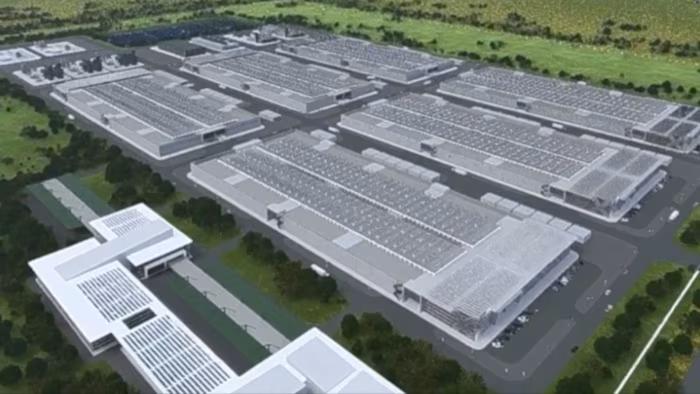
Morgan Stanley leads a consortium planning to refinance $15 billion in debt for Anthropic's Texas data center campus through bond markets. Google backstops the deal with its investment-grade credit rating in exchange for 20% equity, as Wall Street lenders grow wary of massive AI infrastructure financing exposure.
The European Union has launched a tender for seven AI gigafactories with €10 billion in public funding, aiming to attract €20 billion in private investment. This infrastructure push seeks to close the AI gap with the US and China by providing compute capacity to train frontier models, though only €1 billion is currently committed.
ByteDance now generates $4bn annually from AI, the highest figure claimed by any Chinese company. To strengthen its position, the TikTok parent is folding its Lark workplace app into teams behind Doubao chatbot and Volcano Engine cloud business. The restructuring signals ByteDance's costly bet to lead China across every layer of AI, from frontier models to custom chips.
Samsung posted a record $62 billion operating profit in Q2 2026, driven by surging demand for AI servers and memory chips. But the company warns the global memory shortage will intensify through 2028, causing its mobile division to post its first-ever loss of $544 million due to soaring component costs.
Arm Holdings projected second-quarter revenue of $1.38 billion, surpassing Wall Street estimates of $1.34 billion, driven by surging AI-driven chip demand. The company reported first-quarter royalty revenue climbed 22% to $715 million while licensing revenue grew 23% to $574 million, as hyperscalers like Alphabet and Amazon deploy custom AI chips built on Arm's energy-efficient architecture.
Amazon Web Services posted 37% cloud revenue growth to $42.2 billion in Q2, its strongest performance since 2021. Despite negative free cash flow and a raised capital expenditure forecast to $220 billion, investors rewarded the company with a 12% stock surge as AWS growth demonstrated that massive AI infrastructure investments are converting into tangible returns.
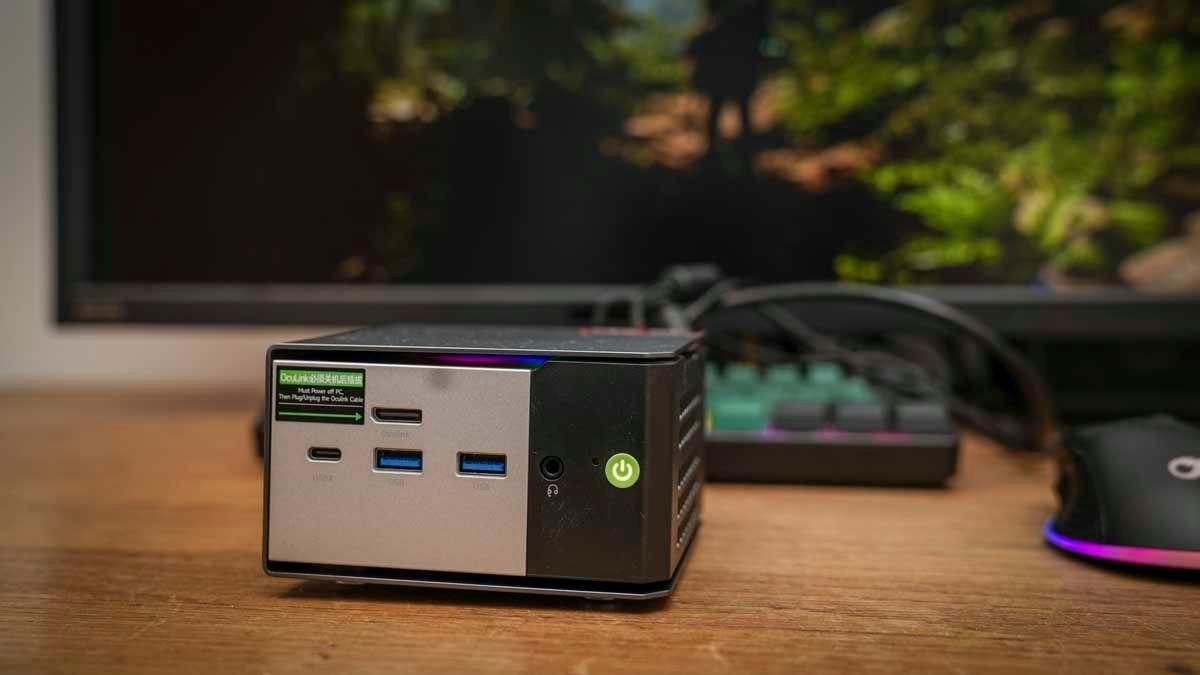
GMKtec unveils the Evo-X1 Pro, an AI-focused mini PC powered by AMD's Ryzen AI 9 HX 470 chip with 64GB RAM and OCuLink support for external GPUs. The compact desktop starts at $1,599 for the 1TB model and features a 55 TOPS NPU for local AI workloads. An early bird discount of $20 is available through August 15.
Qualcomm has signed a long-term agreement with BMW to supply automotive chips for the automaker's next-generation vehicle platforms through the next decade. The deal includes Snapdragon Digital Chassis solutions covering digital cockpits, advanced driver-assistance systems, and automated driving technologies. This partnership intensifies competition with Nvidia and Mobileye in the automated driving market.
OpenAI president Greg Brockman has confirmed the company is developing a family of devices rather than a single product, signaling an ambitious hardware push centered on voice interaction. The announcement comes amid an Apple lawsuit alleging trade secret theft, but Brockman insists OpenAI is focused on its own innovation and expects the first products to arrive soon.
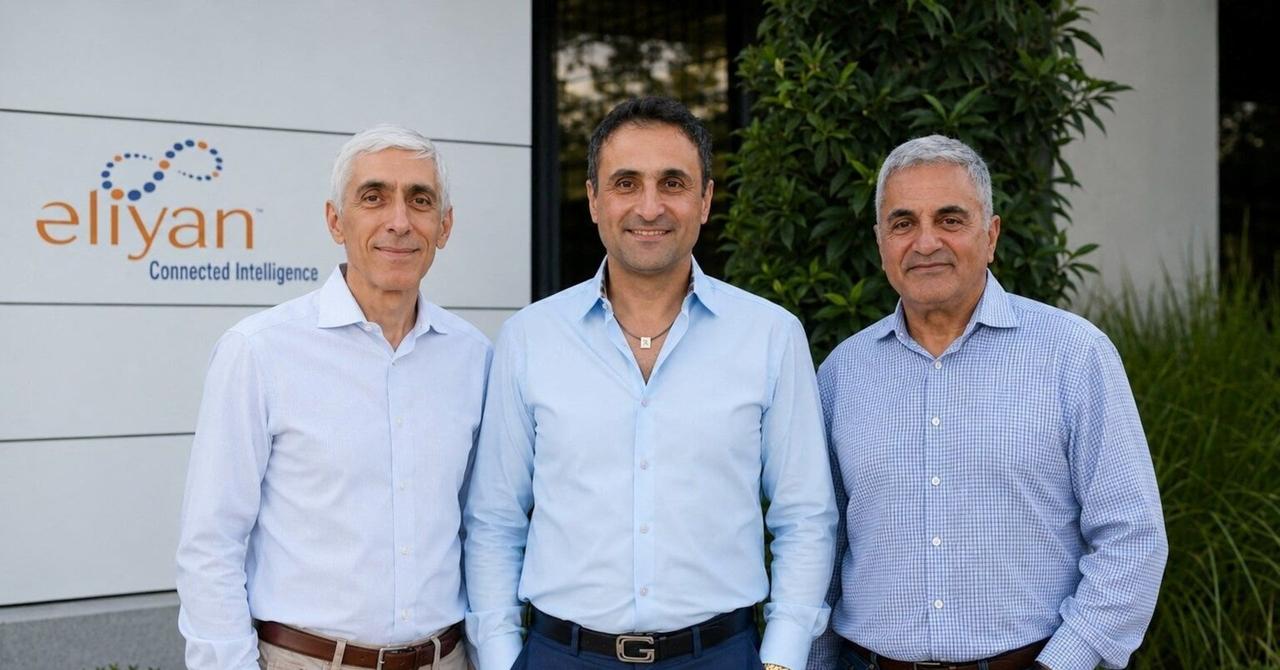
Silicon Valley startup Eliyan has raised $145 million in Series C funding at a $1 billion valuation, backed by Cisco and Lumentum. The company develops electro-optical interconnects to solve a critical problem: AI chips can process data much faster than they can send or receive it, leaving expensive GPUs sitting idle 60-70% of the time.
Marvell Technology announced a $250 million investment in India over three years, doubling its workforce and expanding facilities in Bengaluru and Hyderabad. The move strengthens India as the company's second-largest R&D hub globally, focusing on advanced semiconductor solutions for AI, cloud infrastructure, and custom silicon development for hyperscalers.
ChipAgents has secured $60 million in Series A2 funding, bringing its total raised to $134 million in under a year. The startup, which uses autonomous AI agents to automate semiconductor design and verification, is expanding its collaboration with Nvidia to develop specialized AI models. The company reports 6x growth in annual recurring revenue and deployments at over 120 semiconductor companies.
The U.S. Department of Commerce awarded GlobalFoundries $300 million under the CHIPS Act to advance silicon photonics and co-packaged optics technology. The funding aims to strengthen domestic supply chains for AI infrastructure while targeting 400 gigabits per second data transfer speeds and five times better energy efficiency than current systems.
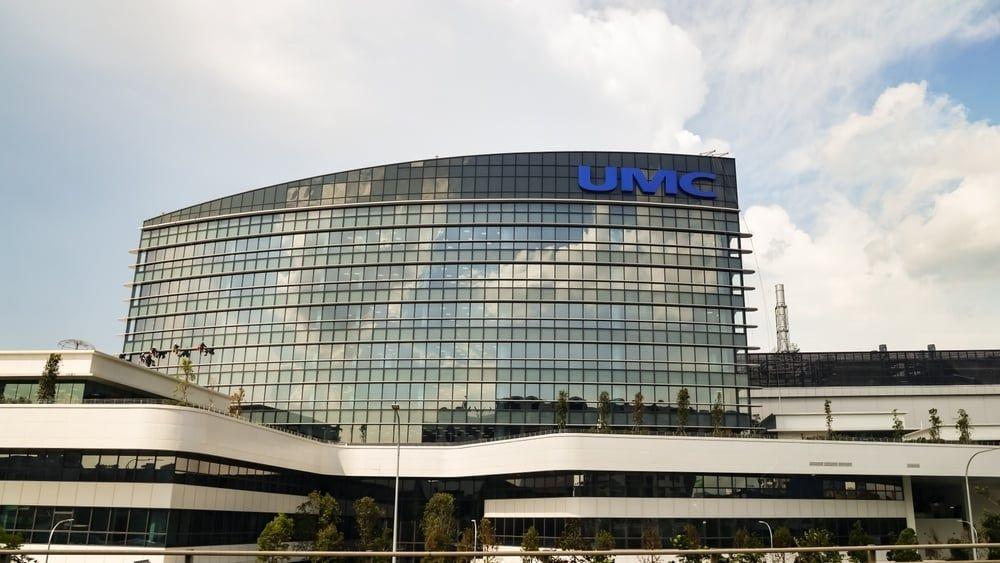
Taiwan's United Microelectronics announced a major expansion, raising its 2026 capital expenditure to $2 billion from $1.5 billion to meet surging AI demand. The chipmaker will add cleanroom capacity at its Singapore facility and construct a new fab building at its Tainan campus in Taiwan, while reporting strong Q2 results with revenue up 17% year-over-year to $2.18 billion.
Teradyne stock soared 14.5% in after-hours trading after the company reported its second consecutive quarter of record revenue, reaching $1.33 billion—a 104% year-over-year increase. The semiconductor test equipment maker exceeded earnings expectations with adjusted EPS of $2.47, while forward guidance for Q3 dramatically surpassed analyst estimates, validating its position in the AI chip supply chain.
Don’t drown in AI news. We cut through the noise - filtering, ranking and summarizing the most important AI news, breakthroughs and research daily. Follow topics that matter to you and stay ahead.