Share
Linkedin
Twitter
Facebook
Whatsapp
Copy Link
Chinese EV maker Xpeng is repositioning itself as a physical AI company rather than just an automaker. CEO He Xiaopeng announced plans to begin street trials for robotaxis soon and start mass production of humanoid robots in the second half of 2026, leveraging its in-house Turing AI chip to compete with Tesla in the robotics market.
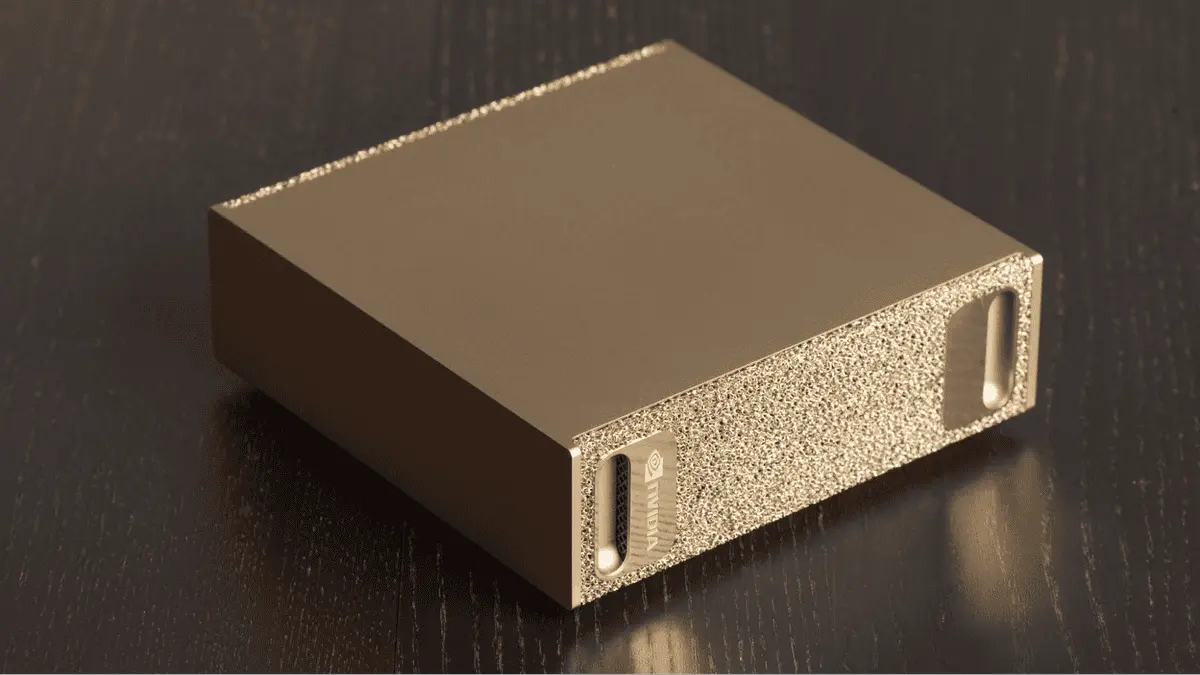
India's IT minister Ashwini Vaishnaw met with NVIDIA officials to explore manufacturing the DGX Spark, dubbed the world's smallest AI supercomputer, in India. The discussions also covered developing sovereign GPUs as India accelerates its artificial intelligence capabilities with local production of high-end data processing devices.
Elon Musk's AI startup xAI burned through $1.46 billion in the September quarter, up from $1 billion earlier in 2025, as it pours resources into data centers, talent, and software development. Despite mounting losses, the company nearly doubled its revenue to $107 million and raised $20 billion in fresh funding to fuel its ambitious plan to build self-sufficient AI that will eventually power Tesla's Optimus humanoid robots.
Data center company Nscale is in talks to raise about $2 billion, only three months after closing a $1.5 billion fundraising. The AI hyperscaler, which partners with Nvidia and OpenAI, is working with Goldman Sachs and JPMorgan on the deal. The move signals strong investor appetite for AI infrastructure despite market volatility.
Rokid launched its AI Glasses Style at CES 2026, positioning them as a lighter, cheaper alternative to Meta's Ray-Ban smart glasses. Priced at $299 and weighing just 38.5 grams, the screenless device focuses on voice-first AI interactions powered by ChatGPT-5. A partnership with Mudra brings neural wristband control to the mix, offering hands-free computing at a fraction of Meta's ecosystem cost.
Samsung Electronics forecasts record quarterly profits of $13.8 billion in Q4, triple the previous year's results, driven by explosive demand for AI servers. Memory prices have surged dramatically, with DRAM contract prices up 313% year-over-year and another 60% increase expected in Q1 2026. The memory chip shortage shows no signs of relief until at least 2027.
Chip design company Arm Holdings reorganized its business at CES 2026 to create a new Physical AI division focused on robotics and automotive technology. The UK-based firm now operates three core units, combining automotive and robotics under one umbrella due to shared requirements for power efficiency, safety and reliability.
Dell executives revealed at CES 2026 that consumer interest in AI PCs has fallen short of expectations, with buyers finding AI features more confusing than helpful. The admission marks a significant shift in marketing strategy from last year's AI-first approach and raises questions about Microsoft's Copilot vision as the company scrambles to salvage its AI PC initiative.
Nvidia has refuted reports claiming it requires full advance payment from Chinese customers for H200 AI chips. The chipmaker stated it would never require customers to pay for products they don't receive, pushing back against Reuters reporting. Beijing is expected to approve H200 imports this quarter for select commercial use, with Chinese companies ordering over 2 million units despite ongoing US-China trade tensions.
Caterpillar announced an expanded collaboration with Nvidia to integrate artificial intelligence across its construction and mining equipment fleet. The partnership leverages Nvidia's Jetson Thor platform to pilot the Cat AI assistive system in excavators, while using digital twins of construction sites to optimize project planning and material allocation.
The US Department of Commerce approved limited exports of Nvidia's H200 and AMD's MI325X AI chips to China under strict conditions. Chinese buyers can only receive up to 50% of units sold to US customers, and domestic demand must be fully met first. However, China's customs authorities have reportedly told agents the H200 is not permitted entry, creating uncertainty despite the formal approval.
xFusion, China's leading AI server provider, has hired Citic Securities to prepare for an initial public offering. The former Huawei subsidiary recorded sales exceeding $5.72 billion in 2024 and joins a wave of Chinese AI chipmakers tapping into investor enthusiasm for AI companies amid U.S. technology restrictions.
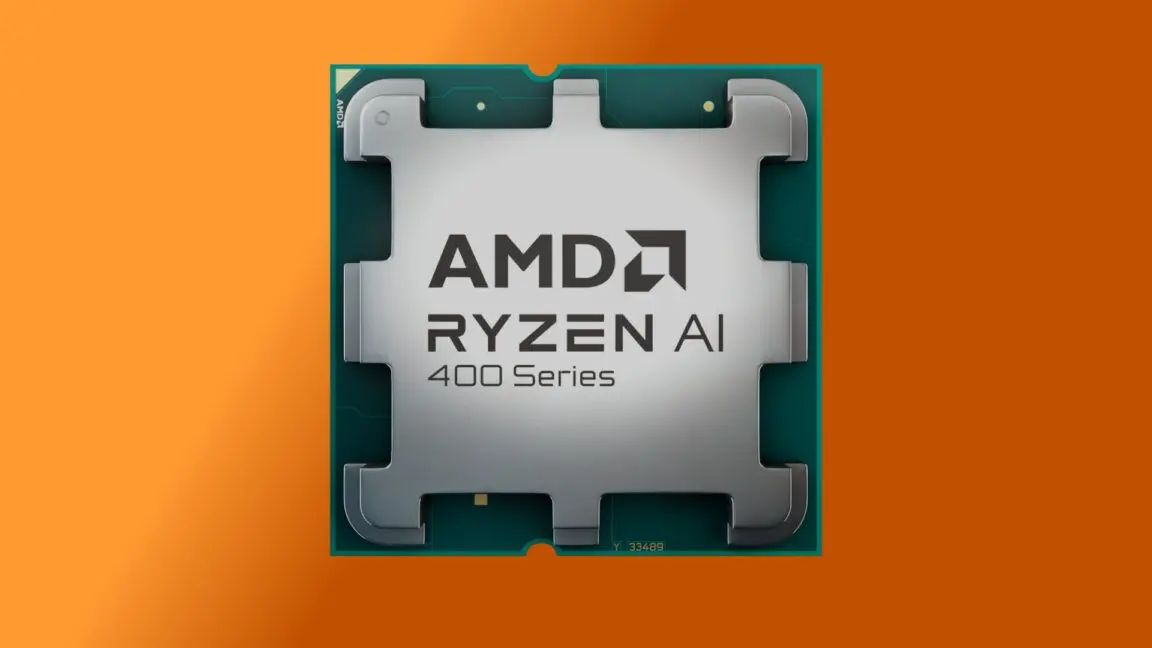
MSI unveiled its AI Edge mini PC with 96GB unified memory and Ryzen AI Max+ 395, entering a crowded market of 30+ similar devices. Meanwhile, Minisforum beat major manufacturers to launch the first Ryzen AI 9 HX470 mini PC, and MSI also introduced a 0.5-liter Panther Lake-based system. The launches highlight intensifying competition in compact AI computing.
Siemens and NVIDIA announced an expanded partnership at CES 2026 to develop an industrial AI operating system for fully AI-driven, adaptive manufacturing facilities. The first site will launch in 2026 at Siemens Electronics Factory in Erlangen, Germany, with major companies like Foxconn, PepsiCo, and HD Hyundai already evaluating the technology.
Marvell Technology announced a $540 million acquisition of networking equipment firm XConn Technologies to expand its switching capabilities for AI data centers. The deal adds critical interconnect switching technologies and engineering talent as Marvell works to compete with Nvidia and Broadcom in the AI infrastructure market. Combined with its pending $5.5 billion Celestial AI acquisition, Marvell aims to deliver more compelling connectivity solutions for scaling AI workloads.
Don’t drown in AI news. We cut through the noise - filtering, ranking and summarizing the most important AI news, breakthroughs and research daily. Follow topics that matter to you and stay ahead.