Share
Linkedin
Twitter
Facebook
Whatsapp
Copy Link
Aravind Srinivas, CEO of Perplexity AI, argues that local intelligence running on personal devices poses the biggest threat to centralized data centers. His contrarian view challenges the prevailing model where tech giants pour billions into massive GPU infrastructure, suggesting a shift toward decentralized AI could reshape the industry's economics.
Beijing-based Zhipu AI raised $558 million in its Hong Kong IPO, becoming the first major Chinese generative AI startup to go public. Despite reporting just $27 million in sales and deepening losses, the company's co-founder predicts US AI developers will face the same price-based competition that has forced Chinese firms to forgo profits, with Zhipu charging one-seventh the cost of rivals like Anthropic.
Google announced Project Suncatcher for 2027 test launches while Elon Musk predicts space data centers will become the most cost-effective AI training solution within five years. Industry leaders including Jeff Bezos, Sam Altman, and Jensen Huang back the orbital computing vision as terrestrial facilities face power shortages and local opposition.
Baidu has confidentially filed for a Hong Kong listing of Kunlunxin, its AI chip unit valued at $3 billion. The move comes as Chinese chipmakers race to secure funding amid Beijing's push for semiconductor self-sufficiency and escalating U.S.-China tech tensions. Kunlunxin designs powerful AI accelerators essential for data centers, positioning itself alongside Huawei and Cambricon as China seeks alternatives to Nvidia chips.
Samsung Electronics says customers praised its HBM4 chips, declaring 'Samsung is back' as the chipmaker fights to reclaim AI memory leadership. Meanwhile, Nvidia's Vera Rubin platform enters full production, triggering an aggressive capacity race among memory suppliers targeting next-generation high-bandwidth memory dominance.
Brookfield Asset Management, one of the world's largest alternative investment firms, is planning to launch a cloud computing business called Radiant that will lease AI chips directly to customers. The move is tied to a $100 billion AI infrastructure program and could challenge AWS and Microsoft Azure by leveraging Brookfield's energy sector investments to control the AI value chain.
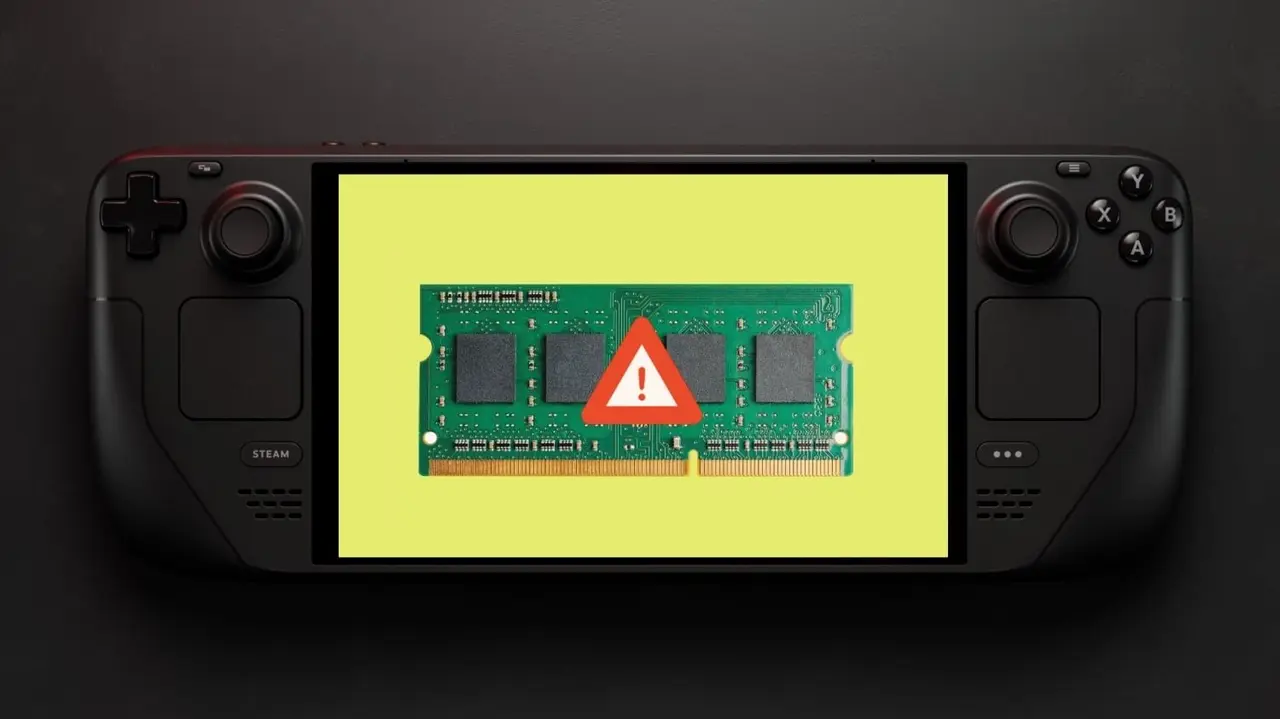
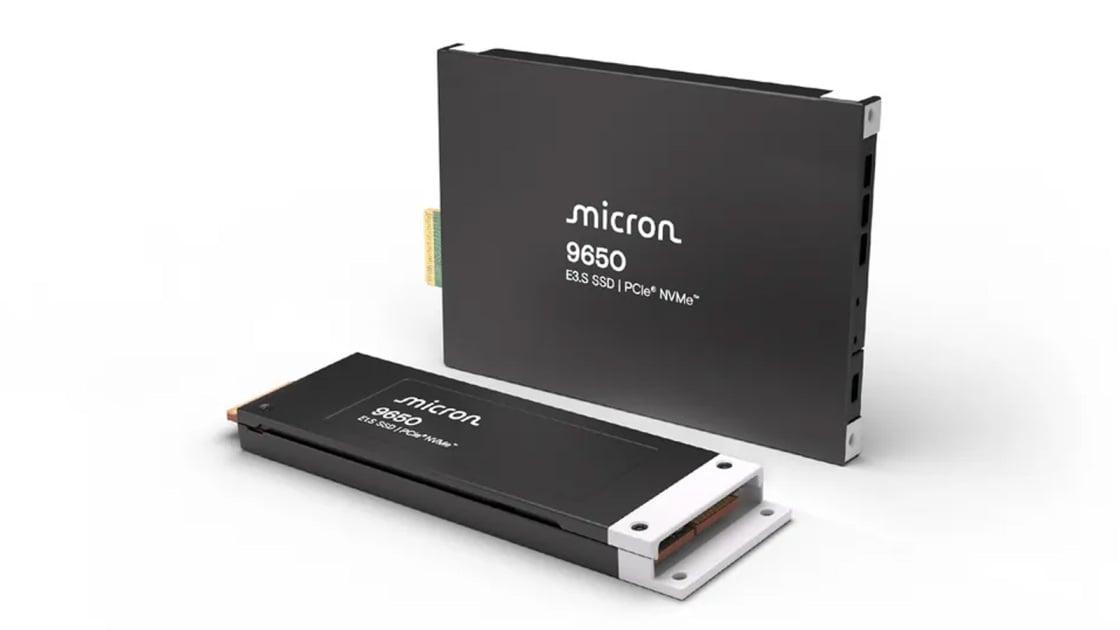
Major PC and smartphone manufacturers are warning of significant price increases in 2026 due to an AI-driven memory chip shortage. Companies like Dell, Lenovo, HP, Asus, and Samsung confirm that rising costs of DRAM and NAND chips will push device prices up by 15-20%, as AI data centers consume the bulk of global memory production.
Chinese technology companies have ordered over 2 million H200 chips for 2026, but Nvidia holds only 700,000 units in stock. CEO Jensen Huang confirms demand is "very high" as the company works with TSMC to ramp up production while navigating U.S. export licensing and awaiting Beijing's approval for shipments.
ByteDance, TikTok's parent company, is set to spend $14 billion on Nvidia H200 AI GPUs in 2026, marking a significant jump from $12 billion in 2025. The massive investment hinges on Beijing's approval following the Trump administration's decision to ease export restrictions on Hopper-based chips to China, even as the company develops its own custom silicon.
Elon Musk announced that xAI has purchased a third building called MACROHARDRR near its Memphis Colossus supercomputer complex, expanding AI training compute capacity to nearly 2 gigawatts. The ambitious expansion positions xAI to compete more aggressively with OpenAI and other AI leaders, though it raises concerns about energy consumption and environmental impact in surrounding communities.
CES 2026 marks a pivotal shift in automotive technology as the industry moves from flashy vehicle debuts to sophisticated software innovations. Flying cars, agentic AI systems, and software-defined vehicles will dominate the show floor, while automakers navigate the challenging transition from aggressive EV promises to practical implementation in an era of market realism.
Nvidia completed its $5 billion investment in Intel, purchasing 214 million shares at $23.28 each. With Intel stock now trading at $36.68, Nvidia's stake has surged to $7.58 billion. The partnership will jointly develop next-generation chips for data centers and PCs, integrating Nvidia GPUs with Intel CPUs via high-speed NVLink technology.
President Trump has reversed course on Big Tech, eliminating limits on AI chip exports and fast-tracking data center construction. Major tech companies pledged $1.4 trillion in domestic investments while stocks soar. But the mutually beneficial alliance is dividing Republicans and raising questions about regulation.
Chinese modders are upgrading Nvidia's RTX 5080 GPUs from 16GB to 32GB VRAM, specifically targeting AI workstations and servers. The modifications use blower-style cooler designs and could intensify existing GPU supply shortages, particularly affecting gamers as AI-focused buyers sweep up inventory at a fraction of RTX 5090 prices.
Japan's Ministry of Economy, Trade and Industry is set to nearly quadruple its budgeted support for cutting-edge semiconductors and AI development to ¥1.23 trillion ($7.9 billion) for fiscal year 2025. The massive increase reflects Japan's push to strengthen its position in frontier technology as the U.S. and China continue their dominance, while also securing better supply chain access for critical technologies.
Don’t drown in AI news. We cut through the noise - filtering, ranking and summarizing the most important AI news, breakthroughs and research daily. Follow topics that matter to you and stay ahead.