Share
Linkedin
Twitter
Facebook
Whatsapp
Copy Link
Microsoft's AI chief Mustafa Suleyman announced the company is pursuing AI self-sufficiency by developing its own advanced foundation models. The strategic shift aims to reduce reliance on OpenAI while maintaining their partnership through 2032. Microsoft previewed MAI-1, trained on 15,000 NVIDIA H100 GPUs, and launched the Maia 200 inference chip to control AI economics.
Amsterdam-based Nebius Group reported capital expenditures of $2.1 billion in Q4, up from $416 million a year earlier, as the AI cloud firm races to meet surging demand. The company plans nine new data centers across the US, France, Israel and UK while serving tech giants Microsoft and Meta.
Indian space startup Agnikul Cosmos and cloud firm NeevCloud plan to launch an AI-powered data centre in Low Earth Orbit, with a proof-of-concept mission this year and commercial operations by 2027. The orbital AI data centre platform will host 500 high-performance AI chips on Agnikul's extended upper stage, processing up to 10 million AI-driven calls daily and serving 100,000 concurrent users.
Anthropic is donating $20 million to Public First Action, a political advocacy group supporting congressional candidates who favor AI safety rules. The move puts the AI company in direct opposition to OpenAI and the billionaire-backed Leading the Future PAC, which plans to spend $125 million backing lighter regulation. This marks a significant escalation in the political battle over AI governance ahead of the 2026 midterm elections.
Lenovo reported 18% revenue growth to $22.2 billion in its December quarter, driven by strong AI server demand and consumers rushing to beat memory price hikes. However, the world's largest PC maker warned that rising memory costs and supply constraints will pressure unit sales, even as its AI infrastructure business hit record revenue with 31% growth.
Taiwan's economy surged 8.6% in 2024, fueled by global demand for artificial intelligence and TSMC's dominance in advanced chips. Exports to the U.S. jumped 78% as Nvidia expands operations on the island. But heavy reliance on the AI supply chain raises concerns about bubble risks similar to the dot-com crash, while geopolitical tensions with China continue to threaten the island's vital role in global semiconductor fabrication.
Cisco reported record Q2 revenue of $15.3 billion, up 10% year-over-year, fueled by explosive AI infrastructure demand from hyperscalers. The networking giant raised its full-year revenue forecast to $61.2-$61.7 billion and secured $2.1 billion in AI infrastructure orders from hyperscalers alone, reflecting triple-digit order growth. CEO Chuck Robbins highlighted momentum in Silicon One architecture and sovereign AI solutions as enterprises modernize networks for AI-era workloads.
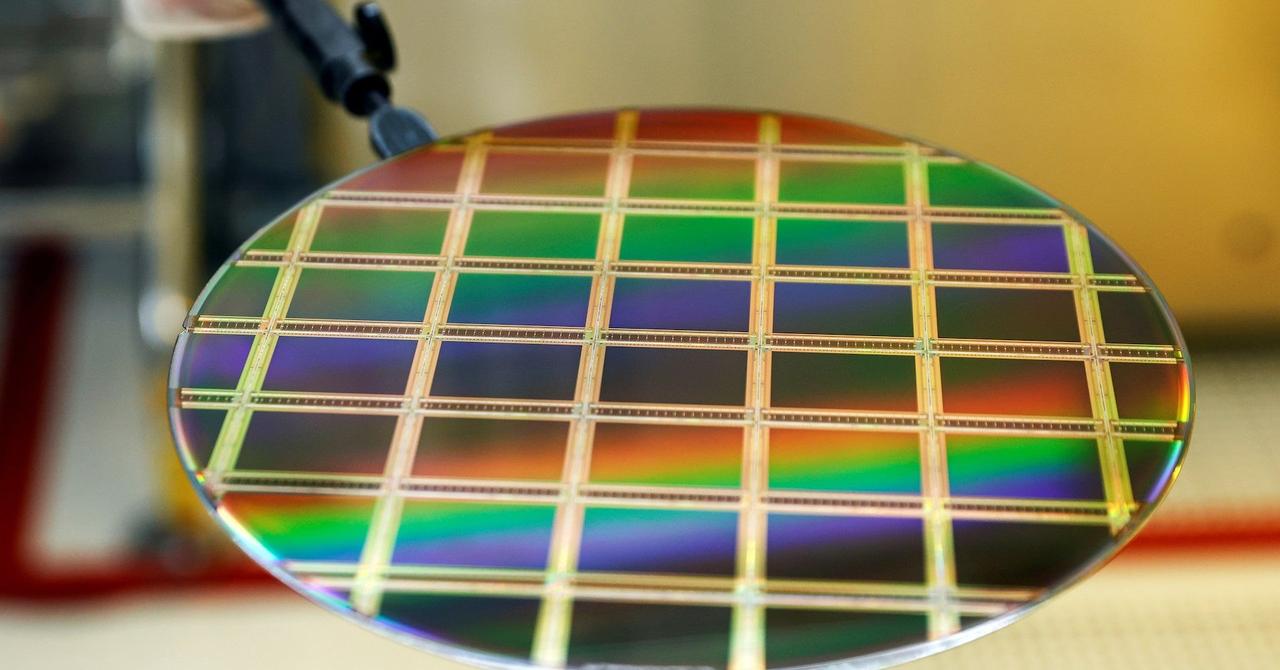
GlobalFoundries reported Q4 revenue of $1.83 billion and forecast Q1 revenue above Wall Street expectations, driven by strong chips demand from data centers. The company announced a $500 million share buyback program and revealed its silicon photonics revenue doubled to over $200 million, with plans to nearly double again this year as it pivots toward Physical AI.
Aehr Test Systems (NASDAQ:AEHR) shares jumped 33% after announcing an initial production order from a leading hyperscaler for its Sonoma ultra-high-power test and burn-in systems. The order supports next-generation AI processors for data center applications, with delivery scheduled for summer 2026. This marks a significant validation of Aehr's technology in the rapidly expanding AI chip testing market.
Israeli chipmaker Tower Semiconductor surpassed fourth-quarter profit expectations, posting 78 cents per share versus estimates of 68 cents. The company announced a $920 million total investment in silicon photonics technology to meet surging demand from data center operators building AI infrastructure, aiming to quintuple production capacity by late 2026.
Chinese AI startup Zhipu released GLM-5, a new flagship model with 744 billion parameters that rivals Anthropic's Claude Opus in coding benchmarks. Trained entirely on Huawei Ascend chips, the open-source model achieved a record-low hallucination rate and sent Zhipu shares surging 34%. The release intensifies competition among Chinese AI companies ahead of DeepSeek's anticipated next-generation model launch.
Semiconductor Manufacturing International Corp.'s co-CEO Zhao Haijun warns that companies racing to build 10 years' worth of data center capacity in just two years haven't fully thought through what these facilities will actually do. With AI investment projected to exceed $3 trillion over five years, the chipmaker warning raises concerns about potential overcapacity and echoes the dot-com bubble comparison.
ByteDance, TikTok's parent company, is negotiating with Samsung Electronics to manufacture its first in-house AI chip, targeting 100,000 units this year. The deal includes securing scarce memory chip supplies as the Chinese tech giant plans to spend over $22 billion on AI procurement in 2025, marking a strategic shift toward self-reliance in AI infrastructure.
The AI boom has created a severe DRAM shortage, pushing memory prices up 80-90% in early 2026. Memory-chip makers like Micron, Samsung, and SK Hynix are shifting production to high-bandwidth memory for AI data centers, leaving consumer-grade memory scarce. Major laptop makers including Dell and Lenovo are raising prices 15-30%, with Intel's CEO warning there's no relief until 2028.
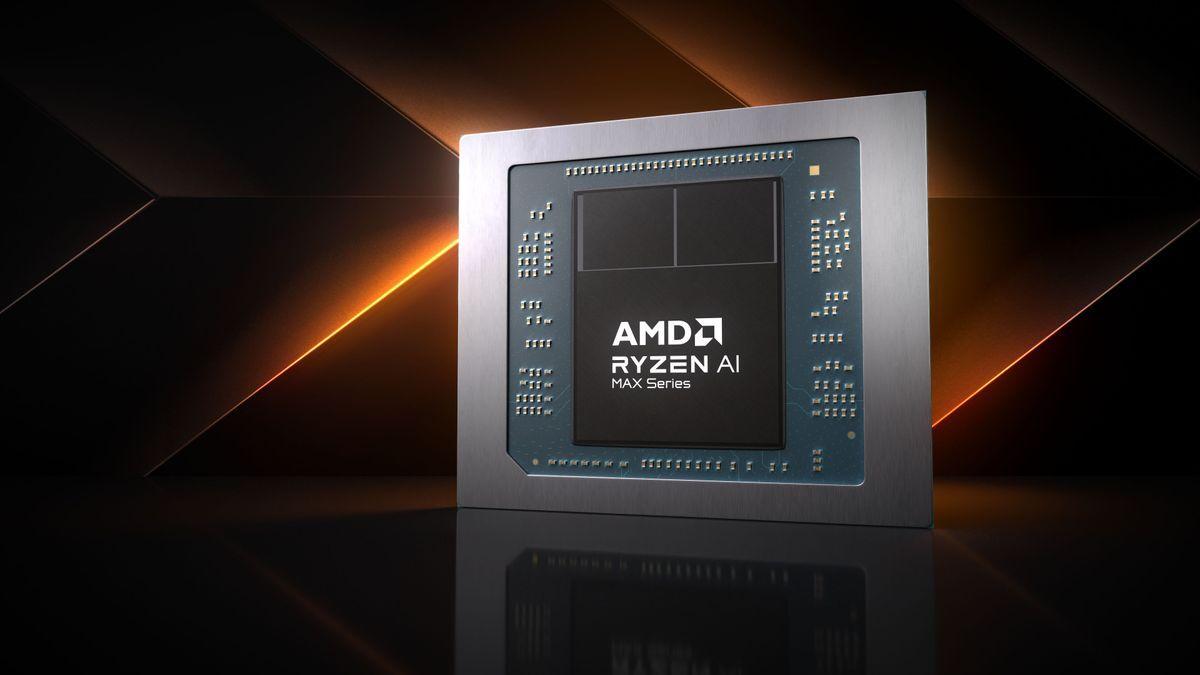
AMD's future Medusa Halo APUs could feature LPDDR6 memory support, delivering up to 460.8 GB/s bandwidth—an 80% jump over current Strix Halo. Expected in 2027-2028 as the Ryzen AI MAX 500 series, these chips may pack Zen 6 CPU cores and RDNA 5 graphics, targeting both AI workloads and high-end gaming.
Don’t drown in AI news. We cut through the noise - filtering, ranking and summarizing the most important AI news, breakthroughs and research daily. Follow topics that matter to you and stay ahead.