Share
Linkedin
Twitter
Facebook
Whatsapp
Copy Link
Panic, creator of the Playdate handheld gaming console, has banned AI-generated art, music, and writing from its digital storefront following controversy over a Season 2 game that used ChatGPT and GitHub Copilot. The policy change makes Playdate one of the first gaming platforms to explicitly prohibit generative AI in game development, with Season 3 titles barred from using AI tools entirely.
Google Photos now offers AI-powered facial retouching tools that let users subtly enhance facial features, remove blemishes, and brighten eyes. The new Touch-Up menu brings professional photo editing capabilities to everyday users on Android devices with at least 4GB of RAM running Android 9.0 or newer.
Music streaming platform Deezer reveals that AI-generated music now accounts for 44% of all daily uploads—roughly 75,000 new AI tracks every day. The company's detection technology has flagged over 13.4 million AI songs in 2025 alone, with 85% of streams marked as fraudulent. Deezer is calling on Spotify and other streaming giants to take similar action to protect artists' rights.
Anthropic's powerful Mythos AI model has uncovered thousands of severe security vulnerabilities across major operating systems, prompting urgent warnings from financial regulators worldwide. Switzerland's Finma labels unrestricted access a systemic bank risk, while experts warn that AI-powered fraud poses an equally dangerous parallel threat already operating at industrial scale.
Chinese streaming service iQiyi is undergoing its biggest corporate overhaul in 16 years, betting that AI will create the bulk of its films and shows within five years. CEO Gong Yu unveiled Nadou Pro, an AI toolkit handling everything from scriptwriting to final rendering, as the company battles a 13% revenue decline and competition from short-video platforms.
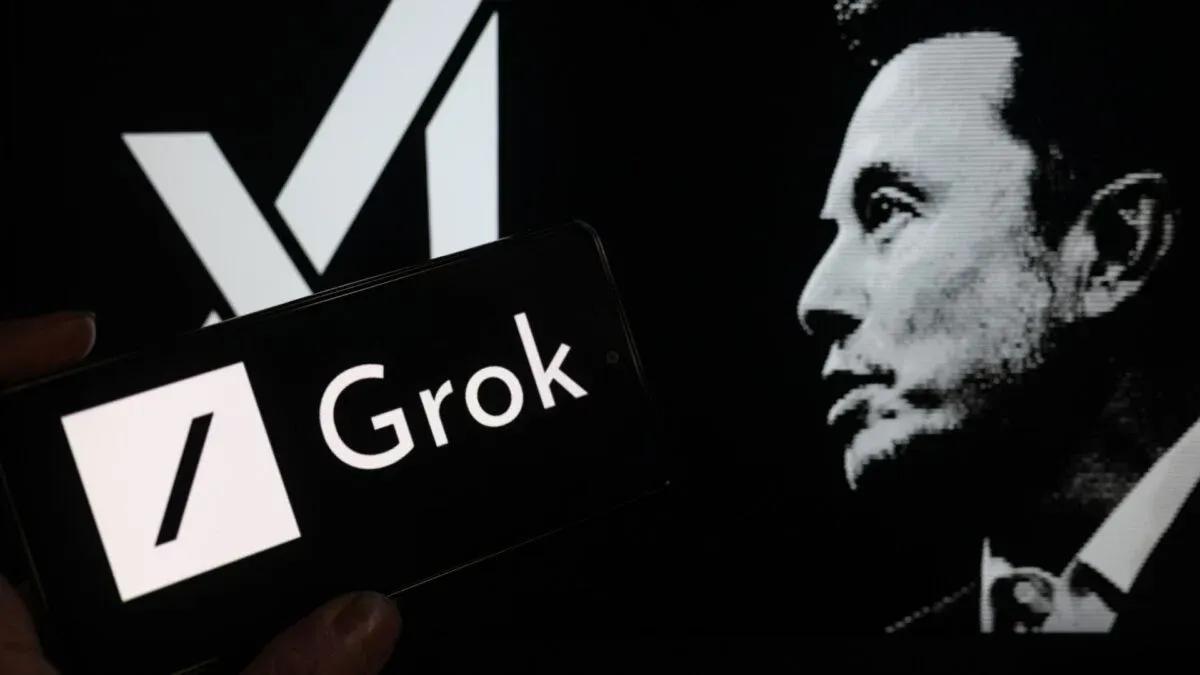
Elon Musk failed to appear before French prosecutors for mandatory questioning in an X investigation examining Grok AI's generation of sexual deepfakes and child abuse imagery. The US Department of Justice refused to assist the probe, calling it politically motivated, while Paris authorities continue investigating five criminal offenses including child pornography distribution and fraudulent data extraction.
Zoom has partnered with Sam Altman's World to integrate human verification technology into video meetings. The new feature uses World's Deep Face technology to confirm participants are real people, not AI-generated imposters. The move responds to escalating deepfake fraud that cost businesses over $200 million in Q1 2025 alone, including a $25 million loss at engineering firm Arup.
Sam Altman's World project announced a global partnership with Tinder, allowing users to verify their humanity through iris scans. The biometric identity company also expanded to Zoom and Docusign as platforms seek solutions to distinguish real people from AI-powered fake accounts. The move addresses growing concerns about romance scams and deepfakes, though privacy concerns persist.
Google blocked a record 8.3 billion ads globally in 2025, up from 5.1 billion in 2024, while suspending fewer advertiser accounts. The shift reflects Google's AI-driven enforcement strategy using Gemini models, which caught over 99% of policy-violating ads before users saw them. The approach targets individual malicious ads rather than banning bad actors outright.
DeepL has released a voice-to-voice translation suite covering meetings, mobile conversations, and group settings across 40+ languages. The Cologne-based company is integrating with Zoom and Microsoft Teams while offering an enterprise API for call centers. But live demos reveal latency challenges as the company competes against well-funded rivals like Sanas and Palabra.
Cristóbal Valenzuela, CEO of $5 billion AI video startup Runway, sparked controversy by suggesting studios should produce 50 AI-generated films for the cost of one $100 million blockbuster. Speaking at the Semafor World Economy Summit, he argued this quantity-focused approach would increase box office success rates while cutting movie production costs across pre-production, scripting, and visual effects.
Google DeepMind launched Gemini 3.1 Flash TTS, a text-to-speech model that lets users direct vocal style, delivery, and pace through natural language commands. Scoring 1,211 on the Artificial Analysis TTS leaderboard, the model supports over 70 languages with regional accents and includes SynthID watermarks for detecting AI-generated content.
Apple and Google are actively directing users to nudify apps that create nonconsensual deepfake images, despite explicit policies banning such content. A Tech Transparency Project report reveals these apps have generated $122 million in revenue and been downloaded 483 million times. Many were rated 'E for Everyone,' making them accessible to children.
The trailer for As Deep as the Grave reveals an AI-rendered Val Kilmer in a prominent role, created after his death last year. Filmmakers Coerte and John Voorhees defend the decision, citing consent from Kilmer's estate and SAG-AFTRA guidelines. But the move has ignited widespread outrage online, with critics calling it 'disgusting' and questioning whether Hollywood has crossed an ethical line.
Students at Berklee College of Music are pushing back against a new AI course focused on generative AI in music creation. Over 425 people signed an online petition demanding the school disband the elective, arguing AI tools steal from artists and threaten the music industry. The controversy intensifies as the instructor advises Suno, a platform sued by major record labels.
Don’t drown in AI news. We cut through the noise - filtering, ranking and summarizing the most important AI news, breakthroughs and research daily. Follow topics that matter to you and stay ahead.