Share
Linkedin
Twitter
Facebook
Whatsapp
Copy Link
Crystal Dynamics has confirmed the use of AI-assisted tools during early development of Tomb Raider: Legacy of Atlantis, the upcoming remake of the 1996 classic. The studio insists all AI-generated content will be replaced or refined by human artists before the game's February 2027 launch, but the disclosure has reignited debate about generative AI's role in the gaming industry.
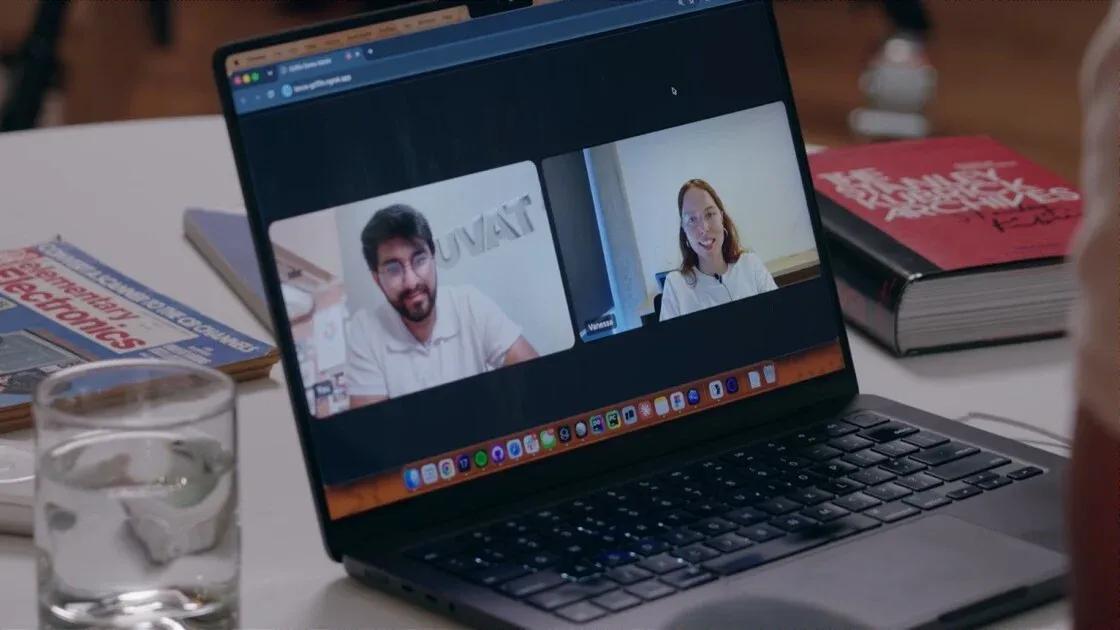
Google is rolling out Gemini Avatar, a feature that creates remarkably realistic digital clones of users complete with their face and voice. The setup takes just minutes, requiring users to record themselves moving their head and speaking numbers. While the AI-generated videos include SynthID watermarks and safety restrictions, the hyperrealistic results have left early testers unsettled about deepfake technology becoming this accessible.
JioStar, the Reliance-Disney streaming venture, is hiring 75-80 AI specialists to expand AI-generated content production after its first AI-made series, Mahabharat: Ek Dharmayudh, drew 6.5 million views on debut day—double the platform's average. The move aims to cut production costs but faces criticism over quality issues and cultural concerns.
Google is rolling out a new Android security feature that detects and flags phone calls where scammers use AI deepfake technology to impersonate trusted contacts. The feature, launching globally this month on Android 12+ devices starting with Pixel phones, works automatically by verifying calls through encrypted confirmation signals. With Americans losing over $893 million to AI-powered scams in 2025, the technology aims to protect users from increasingly sophisticated impersonation fraud.
Legendary filmmaker Martin Scorsese has become an adviser to AI image-generation startup Black Forest Labs, using the technology for storyboarding. The 83-year-old director says the tool helps him communicate his vision faster during pre-production, but the move has drawn criticism from industry professionals who fear job displacement and the erosion of human creativity in filmmaking.
Hundreds of AI-powered spam pages are exploiting genuine anti-AI sentiment by flooding Facebook with fabricated stories and memes opposing data centers. These pages, with names like "Life in Texas" and "History of Wisconsin," generate thousands of likes while spreading disinformation about farmers rejecting multimillion-dollar land offers—stories that are either entirely fake or repurposed from different states.
London-based singer-songwriter Samuel Smith turned to AI-powered music generators like Suno and Udio to finish his second album after Parkinson's disease took away his ability to play guitar. By humming melodies into his phone, Smith created demo arrangements that communicated his vision to session players, highlighting how AI-assisted music tools can empower artists with disabilities to maintain creative expression despite physical limitations.
Paramount+ deployed generative AI to create a thumbnail for Star Trek II: The Wrath of Khan that shows Captain Kirk wearing a business suit—an outfit he never wears in the film or throughout the franchise. Artist Ryan Estrada speculates the streaming platform took a close-up frame of Kirk getting a retinal scan and used AI to fabricate the rest, creating what fans are calling "AI slop."
Gareth Edwards publicly endorsed generative AI in filmmaking at Amazon's AI on the Lot event, describing it as a tool that could rival the camera itself. The Rogue One and Jurassic World Rebirth director has been experimenting with AI for nine months and believes it excels at iteration and pre-production, though he cautions it lacks creative taste and requires constant oversight.
Amazon MGM Studios launched its GenAI Creators' Fund, greenlighting three AI-generated animated series for Prime Video. But one show, Punky Duck, was canceled just 48 hours after announcement following intense online criticism. The incident reveals growing resistance to AI in filmmaking as Hollywood unions and audiences push back against AI production technology.
Dreams of Violets, a 75-minute AI-generated film about Iranian civilian resistance, will premiere at Tribeca Film Festival on June 10. Created by brothers Ash and Pooya Koosha for $2,000 in three months, the docudrama depicts the January 2026 massacre of protesters in Tehran. The film has ignited fierce debate about AI's role in storytelling, with supporters praising its ability to democratize filmmaking while critics question using AI to depict deeply human experiences without lived authenticity.
The $11 billion AI speech synthesis company ElevenLabs has partnered with Stan Lee Universe to bring the late Marvel co-creator's voice and likeness to its platform, seven years after his death. The deal enables commercial licensing of Lee's AI voice and allows fans to hear him narrate audiobooks, while his likeness will appear in visual content generators—raising fresh ethical controversies about consent and digital resurrection.
The Metal Gear and Death Stranding creator teamed with filmmaker Nicolas Winding Refn on an AI-generated short film for Prada Mode, sparking intense criticism from fans who see it as contradicting his own games' warnings about AI. The controversial sci-fi campaign has ignited debate about creative integrity in the age of generative AI.
YouTube is overhauling how it identifies AI-generated content with automatic detection systems that flag photorealistic AI videos. The platform will now apply prominent AI labels even when creators fail to disclose AI usage, addressing concerns as models like Google's Veo and Gemini Omni make synthetic content increasingly difficult to distinguish from reality.
South Korean authorities arrested YouTuber Kim Se-ui on charges of using AI-generated voice recordings and doctored messages to falsely accuse actor Kim Soo-hyun of dating a minor. The scandal halted the star's career for over a year and triggered a $20 million lawsuit, marking what experts call a dangerous turning point in AI cybercrime.
Don’t drown in AI news. We cut through the noise - filtering, ranking and summarizing the most important AI news, breakthroughs and research daily. Follow topics that matter to you and stay ahead.