Share
Linkedin
Twitter
Facebook
Whatsapp
Copy Link
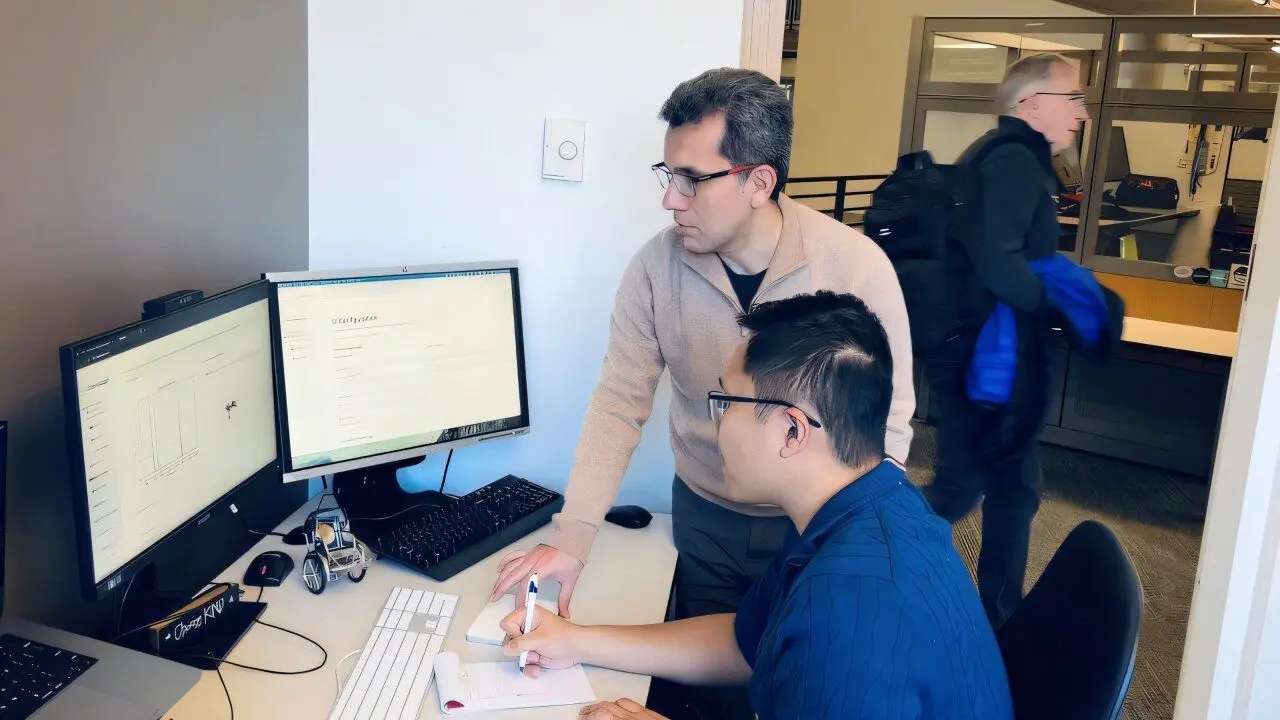
Dave Plummer, creator of Windows Task Manager, is training an AI to conquer Robotron: 2084, a punishingly difficult 1982 arcade game about surviving a robot uprising. The project tests whether artificial intelligence can handle the game's chaotic gameplay and split-second decision-making that has defeated human players for over 40 years.
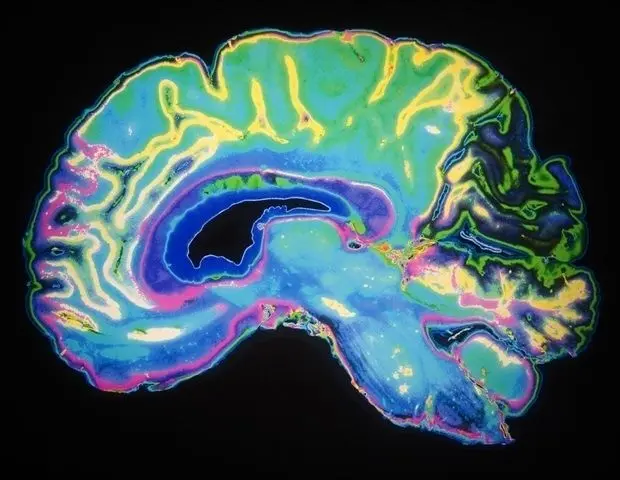
A breakthrough brain implant for paralysis allowed two participants to type using their thoughts at speeds reaching 22 words per minute with just 1.6% error rate. The BrainGate system translates neural signals into text by decoding intended finger movements on a virtual QWERTY keyboard, bringing assistive communication technology closer to real-time conversation speeds for people with severe motor impairments.
San Francisco's Eon Systems has created a digital fruit fly brain model that controls a virtual body, displaying walking and grooming behaviors. Meanwhile, Australian startup Cortical Labs developed a code-deployable biological computer using 200,000 human brain cells that can play Doom. These parallel experiments represent significant steps in brain simulation and brain-computer interfaces, though questions remain about computational demands and future applications.
Major studies from Swansea University and the University of Houston reveal AI functions as a creative collaborator that enhances brainstorming by 76% in novelty. However, the technology can slow experienced designers during implementation, adding 57% more time as experts revise AI-generated output to match their practiced routines.
Australian tech entrepreneur Paul Conyngham used ChatGPT and other AI tools to help create what may be the first bespoke cancer vaccine for a dog. His Staffordshire bull terrier mix Rosie showed tumor shrinkage after receiving the personalized mRNA vaccine. But experts warn the viral story oversimplifies AI's role—human researchers designed and manufactured the treatment, while chatbots primarily assisted with literature searches and data interpretation.
Climate scientists are integrating AI into their research workflow, using large language models like ChatGPT and Gemini to answer pressing questions about temperature rise, precipitation patterns, and extreme weather. Google Research released Groundsource for flash flood prediction with 82% accuracy, while Google DeepMind tested Gemini as an AI co-scientist to assess Atlantic Meridional Overturning Circulation collapse risks 10 times faster than traditional methods.
Meta is preparing to slash up to 20% of its nearly 79,000-person workforce as the company ramps up artificial intelligence infrastructure investments. Top executives have signaled plans to senior leaders, citing efficiency gains from AI-assisted workers. The cuts would mark Meta's largest since 2022-2023, when it laid off 21,000 employees during its "year of efficiency."
Firefly Neuroscience shares soared 47.7% to $2.57 on Friday after the company announced research advances using AI-powered EEG technology to distinguish between ADHD subtypes. The breakthrough targets a U.S. treatment market estimated at over $10 billion and could shift diagnosis from symptom-based assessments to objective neural biomarkers.
A University of Bristol study conducted with Meaning Machine found that 95% of 68 players enjoyed generative AI-powered NPCs in Dead Meat, a murder mystery game. However, the small sample size, 20-minute playtime, and the studio's vested interest in the technology raise questions about whether AI characters in video games can truly replace human-written content.
Google has developed an AI-powered system that predicts flash floods by analyzing historical news coverage. The Gemini AI model sorted through 5 million news articles to identify 2.6 million flood events, creating the Groundsource dataset. This novel approach addresses a critical data gap that has prevented accurate flash flood forecasting, which kills over 5,000 people annually.
Google has unveiled Platform 37 as the name for its new London headquarters at King's Cross, honoring AlphaGo's legendary Move 37 from 2016. The 330-meter landscraper will house Google DeepMind teams starting this summer and feature The AI Exchange, a public space where visitors can learn about artificial intelligence and its applications.
Research published in Trends in Cognitive Sciences reveals that Large Language Models like ChatGPT are creating sameness in human writing and thinking. Scientists warn that AI influence extends beyond direct users, threatening cognitive diversity and collective intelligence as one-third of Americans now use these tools regularly.
Anthropic unveiled the Anthropic Institute, a new research body combining three existing teams to study how AI will reshape jobs, economies, and governance. The announcement comes as the company fights a Pentagon blacklist, triples its policy team, and opens its first Washington D.C. office this spring under new leadership.
Researchers are using AI deep learning models and advanced brain imaging to decode human language development. Studies show AI can model how 2-year-olds process audiobooks, revealing that grammar skills mature between ages 2 and 10. The work challenges traditional views of language as living in just two brain regions, instead revealing it as a complex, interconnected system.
Australian biotech startup Cortical Labs is constructing two biological data centres powered by human brain cells in Melbourne and Singapore. The facilities will house neuron-filled chips that use a fraction of the energy required by conventional AI processors. While the technology remains in early development stages, it represents a novel approach to addressing the mounting power demands of AI infrastructure.
Don’t drown in AI news. We cut through the noise - filtering, ranking and summarizing the most important AI news, breakthroughs and research daily. Follow topics that matter to you and stay ahead.