Share
Linkedin
Twitter
Facebook
Whatsapp
Copy Link
Anthropic, OpenAI, Google, and other US AI companies are racing to expand in London, signing record office space in 2026. The city's deep talent pools and financial networks are driving the boom, but the influx is putting pressure on UK startups competing for the same frontier AI talent and resources.
Tata Consultancy Services has partnered with Anthropic to accelerate enterprise AI adoption across heavily regulated sectors. As a Global Premier Partner in the Claude Partner Network, TCS will deploy Claude AI to 50,000 employees and establish a dedicated business unit focused on bringing AI models to enterprises in financial services, healthcare, telecommunications, and aviation.
Rubrik has introduced Agent Cloud for Anthropic's Claude Code and Claude Cowork, enabling organizations to deploy Claude-powered AI agents at scale with enterprise-grade observability control and resilience. The platform features the industry's only Agent Rewind capability to reverse unintended actions and immutable codebase recovery, addressing security gaps as AI agents autonomously write and deploy code at machine speed.
OpenAI is considering steep price cuts as AI costs spiral out of control across enterprises. Token usage has surged 500% at some companies, with one firm spending $500 million in a month. The move comes as Anthropic gains ground with Claude, forcing both companies to balance profitability against competitive pressure in an increasingly crowded market.
Amazon has locked in a $17.5 billion credit facility to support its aggressive AI expansion plans, including investments in OpenAI and Anthropic. The e-commerce giant is part of a broader technology sector push, with aggregate spending on AI infrastructure projected to exceed $700 billion this year as companies race to build computing capacity.
The Trump administration has directed the Center for AI Standards and Innovation to stop publishing public reports on AI model evaluations, citing national security concerns. The move comes as officials debate how much oversight to impose on powerful AI models that could enable cyberattacks or biological weapons development, throwing the future of the government's main AI testing body into uncertainty.
Mustafa Suleyman, Microsoft AI CEO, has publicly criticized Anthropic for speculating about Claude's potential consciousness in its model constitution. He argues this approach causes the AI to internalize ideas about its own feelings and suffering, calling it a philosophical failing that could complicate how advanced AI models behave at scale.
Anthropic released Claude Fable 5, its first public Mythos model, and AI researcher Ethan Mollick put it through its paces. From his tests, the model generated fully functional video games—including Snake, Strata, and a poetry-inspired game—all from one initial prompt. It also created a detailed isochronic map showing travel times between locations, completing tasks that once required entire development teams.
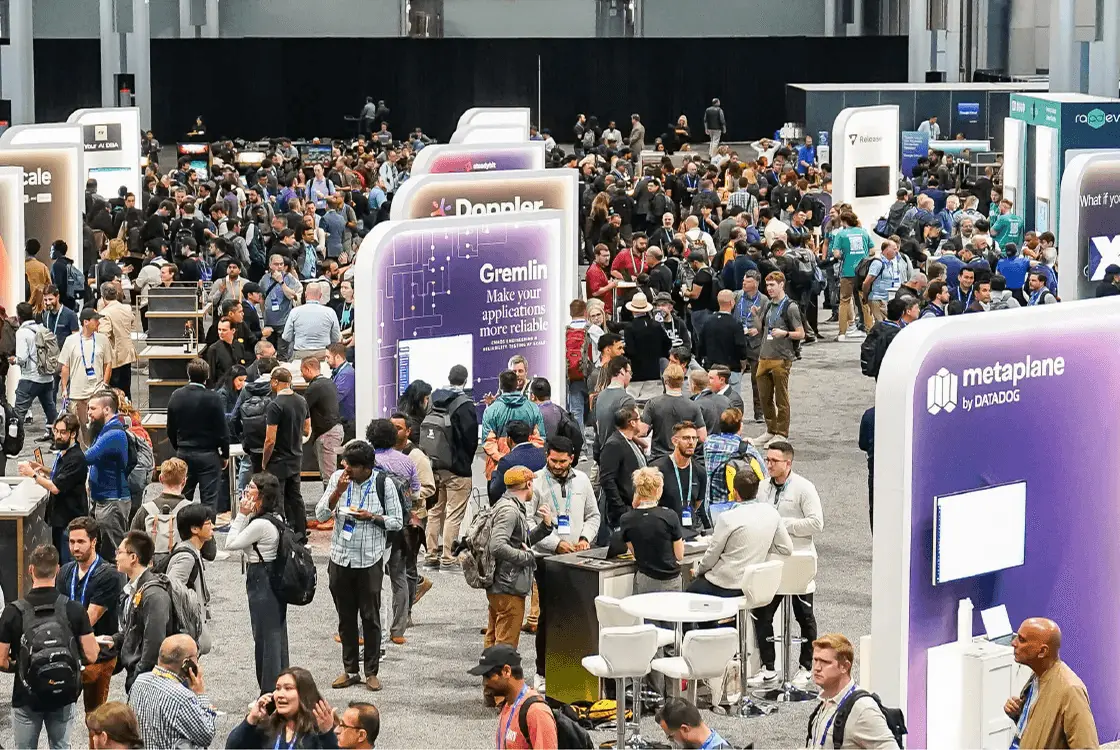
Datadog introduced over 100 new capabilities at its annual DASH conference, with major expansions to Bits AI that enable autonomous operations across the software development lifecycle. The company addresses twin pressures of AI-accelerated code generation and sophisticated security threats with deeper automation, new AI Guard protection against prompt injection attacks, and tools for custom AI agent creation.
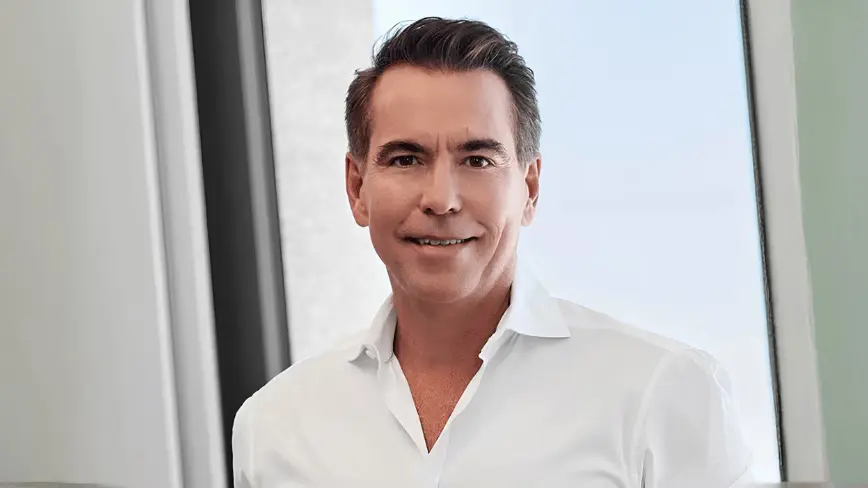
Orlando Bravo of Thoma Bravo says the panic around AI gutting the software industry has ended, with AI now driving growth. Software stocks rallied 21% in May, but the recovery remains uneven as consumption-priced businesses surge while seat-based models struggle. Snowflake's CEO urges caution amid rising costs.
More than 100 cybersecurity experts, including Alex Stamos and Katie Moussouris, signed an open letter urging the Trump administration to reverse restrictions on Anthropic AI models Fable 5 and Mythos 5. The professionals argue the ban removes critical tools from defenders while adversaries advance. Meanwhile, China's Zhipu AI capitalized on the chaos, launching GLM-5.2 and positioning US models as unreliable.
Anthropic unveiled Claude Fable 5, its first publicly available Mythos-class AI model, with unprecedented safety restrictions on cybersecurity, biology, and chemistry topics. The model automatically routes sensitive queries to an older version, Claude Opus 4.8. While Anthropic says the guardrails prevent malicious use, cybersecurity researchers complain the restrictions are overly broad, blocking even routine code reviews and security work.
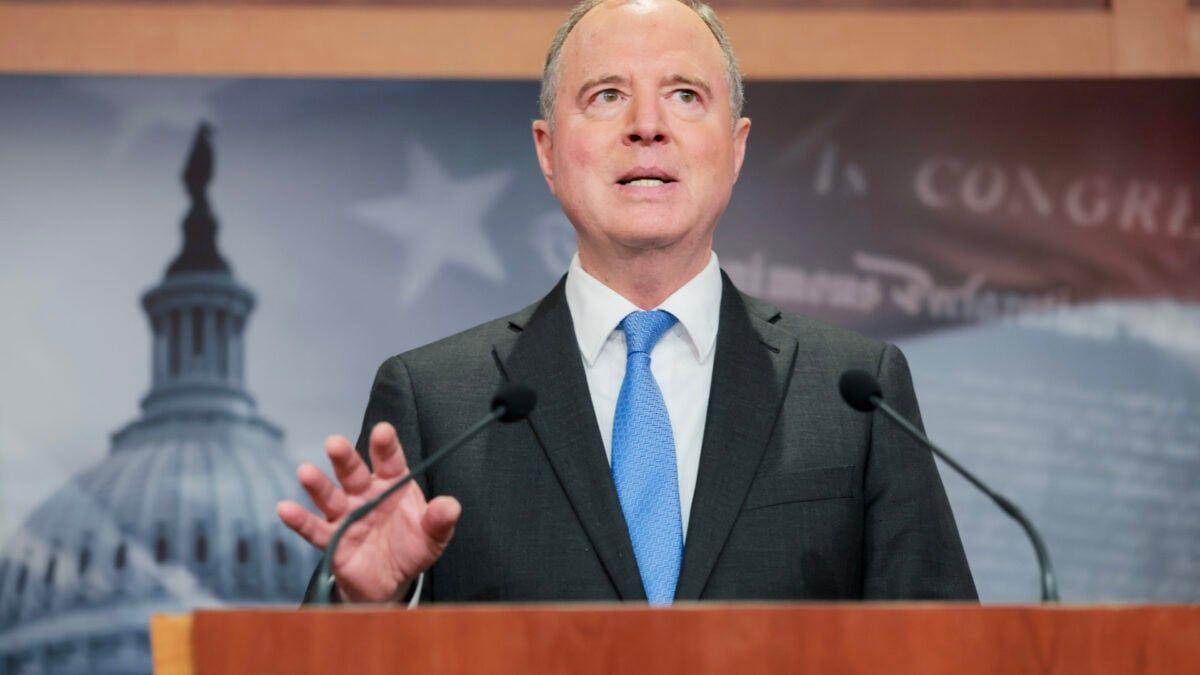
Senate Democrats are introducing multiple bills to restrict Pentagon AI use, requiring human control over autonomous weapon systems and banning AI in nuclear deployment and domestic surveillance. The legislative push follows Anthropic's public dispute with the Department of Defense over AI guardrails earlier this year.
Sriram Krishnan is leaving his role as senior White House AI advisor at the end of June after helping shape the Trump administration's AI Action Plan. The former Andreessen Horowitz partner, who worked closely with AI czar David Sacks, plans to start an outside institution focused on AI policy while continuing to advise the administration on America's path to AI dominance.
Anthropic's Claude Opus 4.8 helped uncover a four-year-old flaw in Zcash's Orchard shielded pool that could have enabled unlimited counterfeit ZEC creation. The disclosure triggered a 40% price crash and emergency network upgrades, while highlighting the tension between privacy and auditability in blockchain systems.
Don’t drown in AI news. We cut through the noise - filtering, ranking and summarizing the most important AI news, breakthroughs and research daily. Follow topics that matter to you and stay ahead.