Share
Linkedin
Twitter
Facebook
Whatsapp
Copy Link
The Senate passed the most significant permitting reform in years on a 62-33 vote, with more Democrats against it than for it. Data center costs and tribal protections drove the split, and the House now holds the deciding vote.
Meta is re-evaluating its 2030 net zero deadline after reporting a 45% emissions rise in 2025. The company blames AI data center demand that grew faster than almost anyone projected, and gas projects not yet in the numbers could push the footprint higher still.
Amazon plans a fresh $7 billion for Indian renewable energy by 2030. The money serves its own growing power demand, and lands while its emissions are rising.
The Antalya AI Pledge, launched at this year's global climate summit, aims to cut AI's climate footprint. Nine countries and Alibaba signed; the US hyperscalers did not.
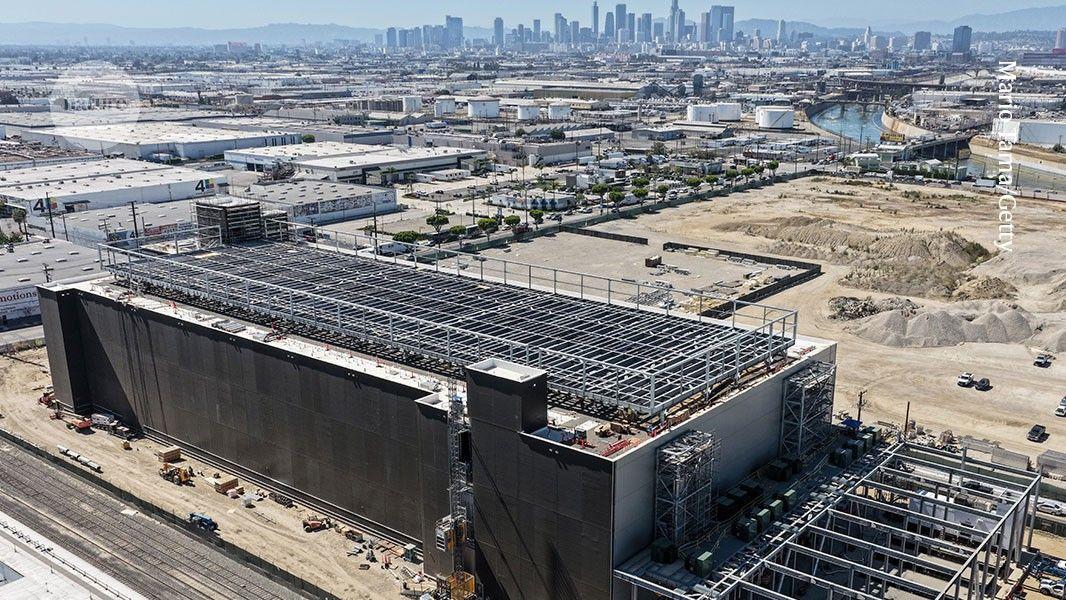
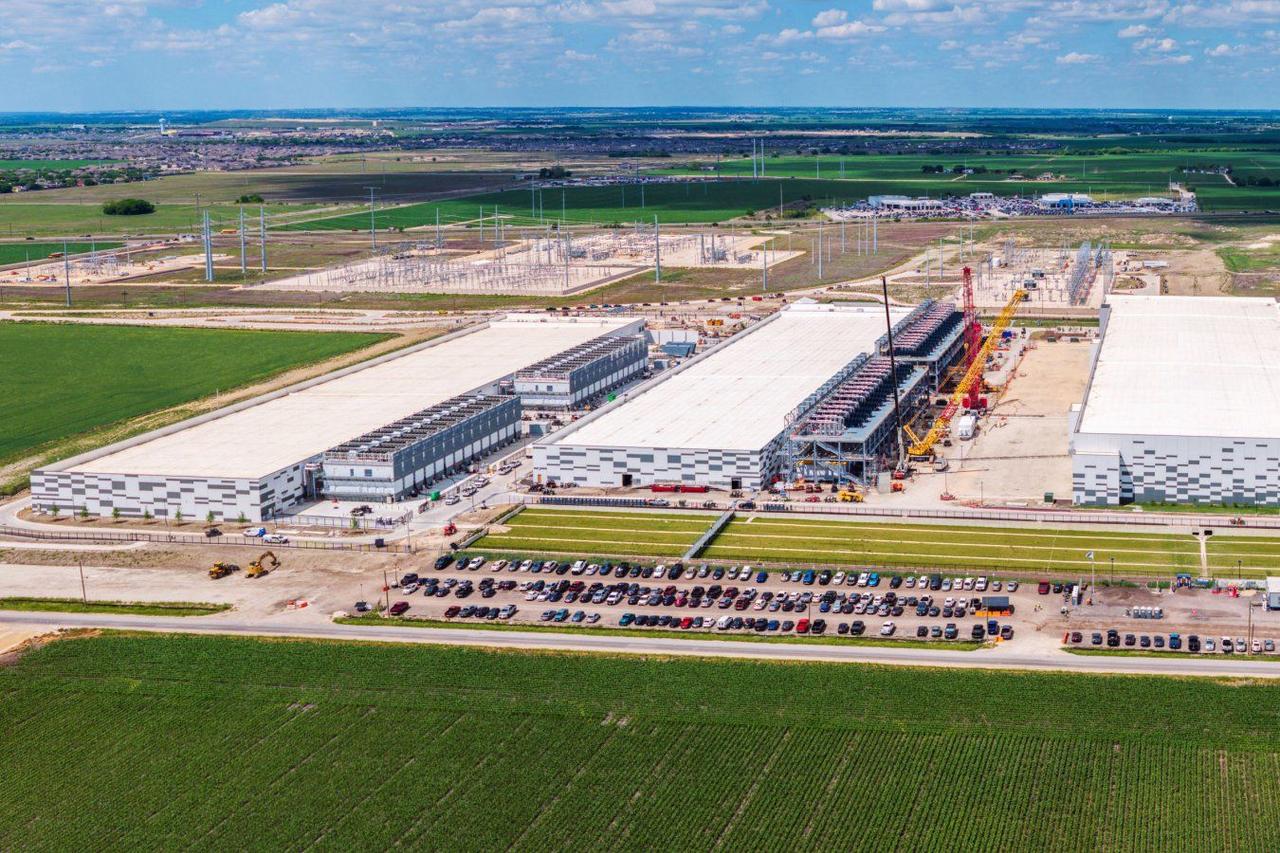
A Harvard-led study estimates 403 US hyperscale data centers used as much electricity as a whole state in a year. Researchers had to rebuild the picture from satellite imagery because no agency tracks it.
A United Nations and University College London report launched at the global climate summit finds AI chatbots abandon correct climate answers under mild user pushback, and cannot yet do the harder reasoning climate policy needs.
Google DeepMind's AI model is helping the National Hurricane Center make markedly more accurate hurricane forecasts, providing an extra day's worth of predictive accuracy. The model predicted Hurricane Isaias could become a tropical cyclone a full week before it formed. Despite these advances, human specialists remain essential for interpreting AI outputs and making final forecasting decisions.
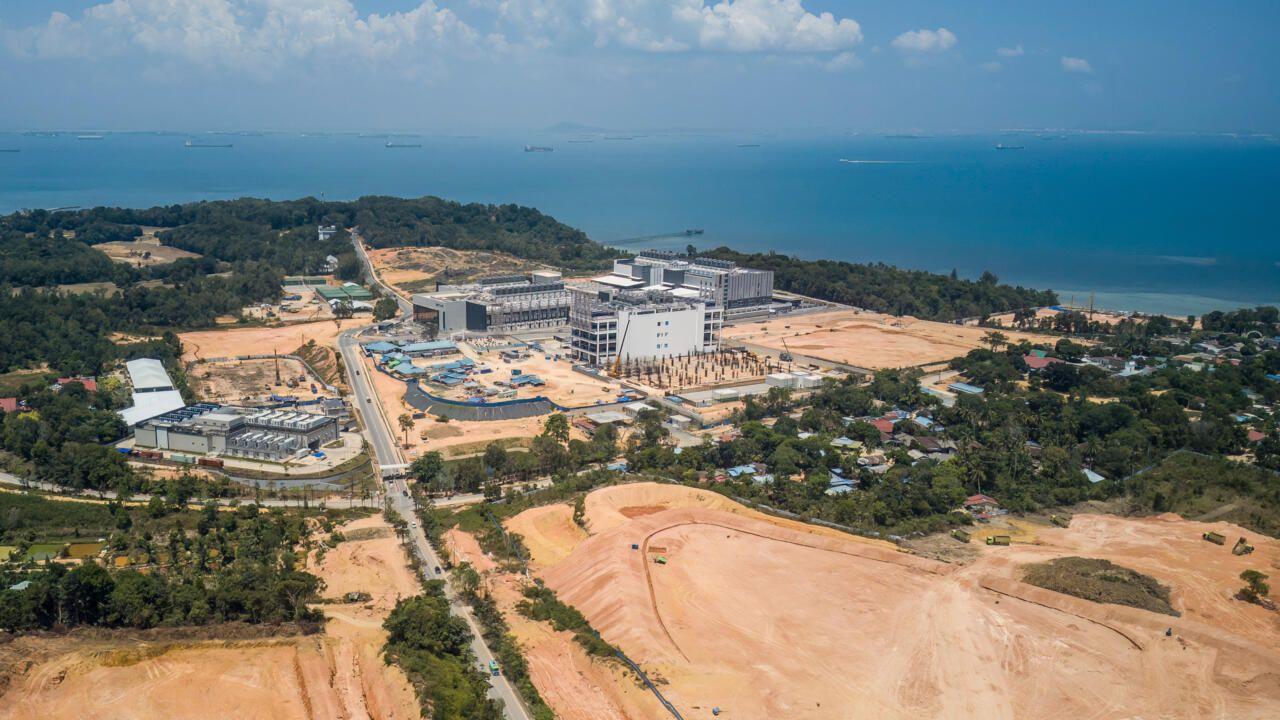
Residents in Batam Indonesia are protesting severe water shortages they link to rapid data center construction driven by the global AI industry. The crisis has left communities unable to cook or bathe as server cooling demands strain local water supplies already impacted by El Niño drought conditions.
Conservation organizations worldwide are deploying AI for wildlife tracking and climate data analysis, yet face a stark contradiction: the technology consumes massive amounts of electricity and water. Data center energy consumption could double by 2030 to 945 terawatt-hours annually, equivalent to Japan's total electricity use.
Turkey launched the Antalya AI Pledge at COP31, positioning AI as a tool to combat climate change despite rising data centers' fossil fuel emissions. The voluntary commitment requires energy disclosure and clean power for data centers, though accountability mechanisms remain unclear.
Anthropic disclosed in its SEC filing that AI data centers increasingly rely on natural gas turbines as grid connection backlogs grow. The company faces rising fuel costs driven by competition with hyperscalers and Middle East conflicts, while climate change simultaneously increases operating expenses—creating a costly paradox for the AI boom.
The UK government is establishing an AI unit to tackle wildfires after the country's hottest summer on record triggered devastating blazes. Prime Minister Andy Burnham announced the initiative at England's first wildfire summit, alongside £45m for fire services and military aircraft deployment to spot and fight fires faster.
A groundbreaking global analysis reveals that 25% of the world's data centers operate in water-stressed regions, with demand exceeding supply at least one month yearly. Climate projections suggest this figure could jump to 33% as temperatures rise, with U.S. facilities facing the greatest risk.
Nvidia disclosed that AI data centers waste 30-40% of consumed electricity on cooling, power distribution failures, and system restarts rather than actual computing. As facilities race toward gigawatt-scale operations, grid connectivity now poses bigger bottlenecks than chip shortages while new voltage management solutions promise 30% efficiency gains.
Finland's regulatory agency has ordered Google to immediately suspend work on two AI data center sites in Muhos and Kajaani after the tech giant cleared 300 hectares of forest before completing mandatory environmental impact assessments. The suspension threatens Google's €13 billion investment plan, its largest in Europe, and highlights growing tensions between Big Tech's AI infrastructure expansion and environmental concerns.
Don’t drown in AI news. We cut through the noise - filtering, ranking and summarizing the most important AI news, breakthroughs and research daily. Follow topics that matter to you and stay ahead.