Share
Linkedin
Twitter
Facebook
Whatsapp
Copy Link
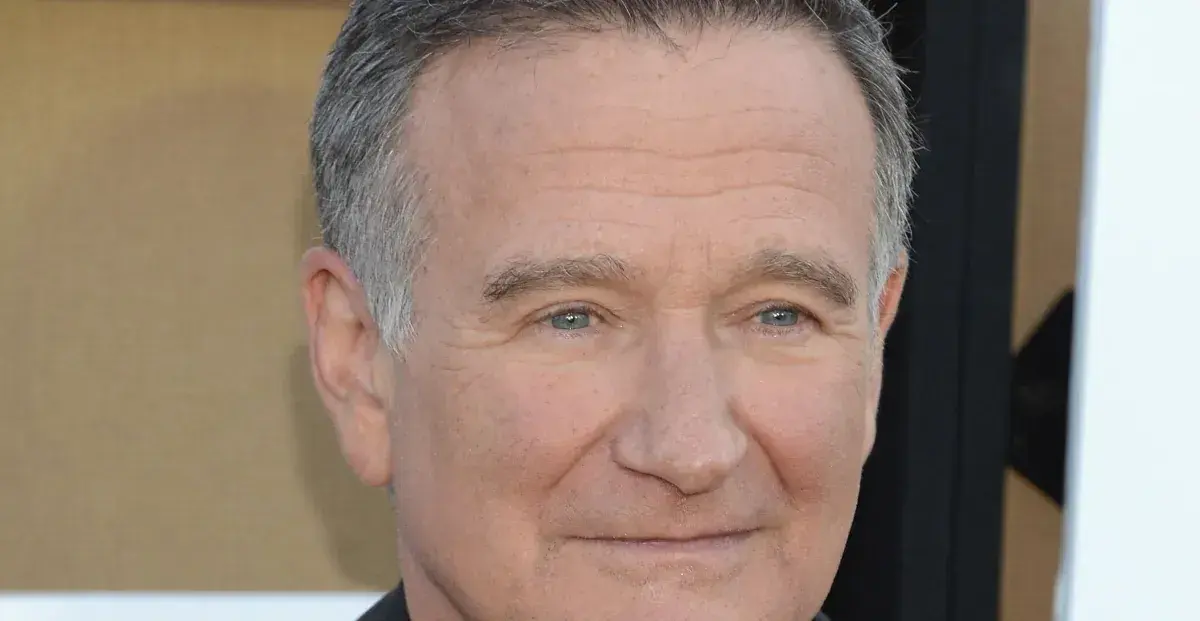
Mercedes Kilmer explained why her family supports an AI-generated version of Val Kilmer appearing in the upcoming film As Deep as the Grave. The late actor, who died at 65 in April 2025 after battling throat cancer, wanted to establish structures for actors to own their licensing and ensure fair compensation before AI laws are written. The decision has sparked intense debate in Hollywood about AI technology threatening actors' livelihoods.
ChatGPT search history has become crucial evidence in multiple criminal investigations, including two Florida cases where suspects allegedly used the AI chatbot to plan violent crimes. Florida's Attorney General launched a criminal investigation into OpenAI, questioning tech companies' responsibility in preventing AI misuse and their obligation to cooperate with law enforcement.
American artist Beeple unveiled an art installation in Berlin featuring robot dogs with hyper-realistic heads of Elon Musk, Mark Zuckerberg, and Jeff Bezos. The dogs roam autonomously and produce AI-generated art that reflects each figure's worldview. The exhibit critiques how tech billionaires and their algorithms now shape human perception more than artists once did.
A news website called The Wire by Acutus, with apparent connections to OpenAI's political operation, has been using AI agents impersonating human journalists to solicit interviews and quotes from real experts. The site published 94 machine-generated articles since late December, with its own automated reviewer flagging 42 as unready for publication—yet all were published anyway.
Canva's Magic Layers feature was found automatically changing the word 'Palestine' to 'Ukraine' in user designs without instruction. The graphic design platform has apologized and resolved the issue, but the incident raises questions about AI bias in design tools and the training data used to build them.
Google has amended its contract with the U.S. Department of Defense to allow Pentagon access to AI models for classified military work, including Gemini AI. The Google Pentagon deal follows Anthropic's refusal to grant unrestricted access, which led to a supply-chain risk designation and ongoing lawsuit. Over 600 Google employees, including DeepMind researchers, signed an open letter urging CEO Sundar Pichai to reject the agreement over concerns about autonomous weapons and mass surveillance.
John Oliver delivered a scathing critique of AI chatbots on Last Week Tonight, exposing how these tools were rushed to market with minimal safeguards. The comedian highlighted devastating consequences including teen suicides linked to Character.AI, inappropriate interactions with children, and the industry's failure to address mental health concerns before widespread deployment.
South Africa's first national AI policy was pulled just 16 days after publication when journalists discovered fictitious sources in its reference list—a classic case of AI hallucinations. Communications Minister Solly Malatsi called it a failure of oversight, not a technical glitch, compromising the document's credibility and proving why vigilant human oversight over AI is critical.
The Vatican has implemented one of the world's first state-level AI frameworks, requiring systems to be ethical, transparent and human-centered. Pope Leo XIV told priests not to use AI to write homilies, warning that technology must never replace human beings. The Holy See is establishing itself as a moral counterweight to AI-driven misinformation.
A man in South Korea was arrested for creating a fake AI image showing runaway wolf Neukgu at a city intersection, which authorities say delayed the nine-day search by diverting emergency workers and resources. The AI-generated photo was convincing enough to trigger emergency alerts to residents and was even displayed at an official press briefing before police identified it as fabricated.
The Ypsilanti Community Utilities Authority has approved a 12-month water moratorium targeting hyperscale data centers and artificial intelligence computing facilities. The decision directly impacts a planned $1.2 billion University of Michigan facility designed for Los Alamos National Laboratories' nuclear weapons research, which requires 500,000 gallons of water daily. Despite the ban, construction is set to begin next week.
The Minnesota House has approved HF 1606, a groundbreaking bill to ban AI nudification technology that creates explicit images without consent. Companies violating the law could face civil penalties up to $500,000, while victims gain the right to pursue damages. The legislation now awaits Senate approval amid potential federal challenges.
A San Francisco startup gave an AI agent named Luna a $100,000 budget and full control of a retail store called Andon Market. The AI boss hired staff, selected products, and set prices—but also made scheduling mistakes and ordered excessive candles. The experiment reveals both the potential and pitfalls of AI in autonomous operations.
Clara Shih, former AI executive at Meta and Salesforce, watched AI agents surpass her top employees and recognized a fundamental shift in the job market. Now she's launched the New Work Foundation to equip Gen Z with AI skills as they face the worst entry-level job market in 37 years, offering free tools to help young workers navigate an AI-dominated workforce.
The US government is rapidly expanding AI surveillance capabilities through data broker purchases and AI-powered surveillance technologies. Department of Homeland Security received $165 billion in 2025 funding to deploy Large Language Models (LLMs) and sentiment analysis tools that can process commercially available data on citizens, raising concerns about circumventing Fourth Amendment protections as lawmakers debate stricter privacy safeguards.
Don’t drown in AI news. We cut through the noise - filtering, ranking and summarizing the most important AI news, breakthroughs and research daily. Follow topics that matter to you and stay ahead.