Subscribe to our newsletter
Get the latest updates delivered to your inbox every day, and stay up-to-date for free š§ š
Share
Linkedin
Twitter
Facebook
Whatsapp
Copy Link
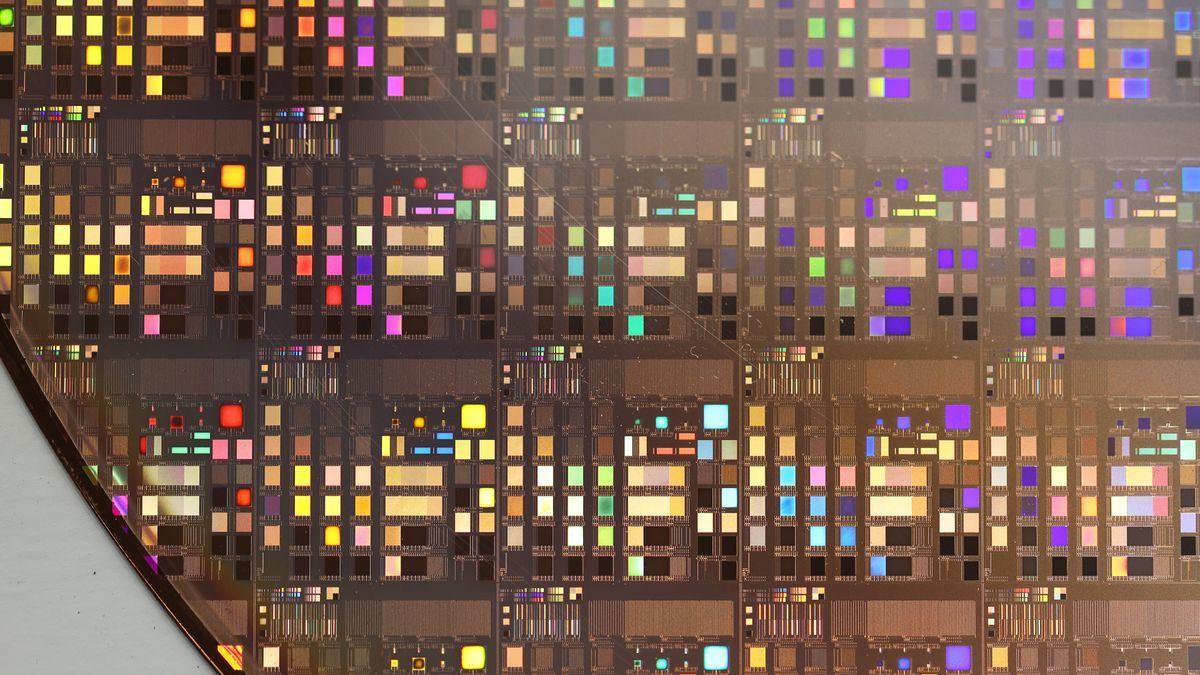
Japan's state-backed chipmaker Rapidus has developed a prototype glass interposer that could cut AI chip production costs significantly. The company plans mass production by 2028, using 600mm glass substrates that yield 10 times more interposers than traditional silicon wafers. This breakthrough positions Rapidus to compete directly with TSMC as Japan invests heavily to rebuild its semiconductor industry.
Over 670 companies gathered at Tokyo's International Robot Exhibition to showcase AI robots and humanoid robots designed for disaster response and workplace tasks. Kawasaki Heavy Industries demonstrated its Kaleido humanoid performing fire extinguishing and rescue operations, while other exhibitors displayed robots addressing labor shortages through autonomous movement and remote control capabilities.
US memory chip giant Micron Technology plans to invest $9.6 billion in building a new high-bandwidth memory (HBM) chip plant in Hiroshima, Japan, targeting the growing AI market with Japanese government subsidies supporting the project.
SoftBank Group has finalized its acquisition of semiconductor design company Ampere Computing for $6.5 billion, making it a wholly owned subsidiary. The deal aims to bolster SoftBank's AI computing capabilities through ARM-based processors while supporting broader strategic initiatives.
Tokyo-based Sakana AI secured $135 million in Series B funding at a $2.65 billion valuation to develop AI models optimized for Japanese language and culture. The startup plans to expand into defense, manufacturing, and government sectors while building sovereign AI solutions.
SoftBank and OpenAI have established a 50-50 joint venture in Japan to localize enterprise AI solutions, with SoftBank becoming the first customer. The move comes as analysts raise concerns about circular AI investments and inflated valuations.
Japanese content creators, including Studio Ghibli and Square Enix, demand OpenAI stop using their copyrighted works to train AI models without permission, highlighting global tensions over AI copyright law and artistic protection.
The Japanese government has formally requested OpenAI to prevent copyright infringement of anime and manga content by its Sora 2 video generator. This move highlights the growing tension between AI technology and intellectual property rights in the creative industry.
Nintendo has officially denied rumors of lobbying against generative AI with the Japanese government. The company clarifies its position on AI use and intellectual property protection.
Donāt drown in AI news. We cut through the noise - filtering, ranking and summarizing the most important AI news, breakthroughs and research daily. Follow topics that matter to you and stay ahead.