Authors Combat AI Allegations With Paper Trail Tools as Detection Software Reshapes Writing Habits


3 Sources
[1]
Authors Can Defend Against AI Allegations With 'Paper Trail' Tools. Is It Enough?
Andrea Bartz is a prolific novelist with an impressive résumé. Since 2019, she has published five thrillers, become a New York Times bestselling author, had her work optioned by the likes of Netflix and Hulu, and picked up an endorsement from Reese Witherspoon's influential book club. She also has
[2]
AI Detection Tools Could Be Influencing the Way Authors Write
Multiple writers have been accused of writing using AI tools AI tools have transformed many lives, for better or worse. The water-thirsty and energy-hungry data centres are allegedly drying up groundwater and other freshwater reserves, while also consuming copious amounts of electricity to stay
[3]
AI Detection Tools are Changing How Writers Write, Raising False Alarms
AI detection tools are changing writing habits as authors avoid certain words, punctuation, and sentence structures to escape false accusations. Several writers have raised concerns about unreliable detection scores and their impact on creative freedom. Artificial intelligence detection tools are
Share
Copy Link
Writers face mounting pressure from AI detection tools producing false positives, with Mia Ballard's 'Shy Girl' canceled after a 78.3% AI-written score. New platforms like Workings and Blindproof now track the writing process to help authors prove human authorship, but experts warn these tools create an unfair burden on the literary community.
AI Detection Tools Force Authors to Alter Writing Styles
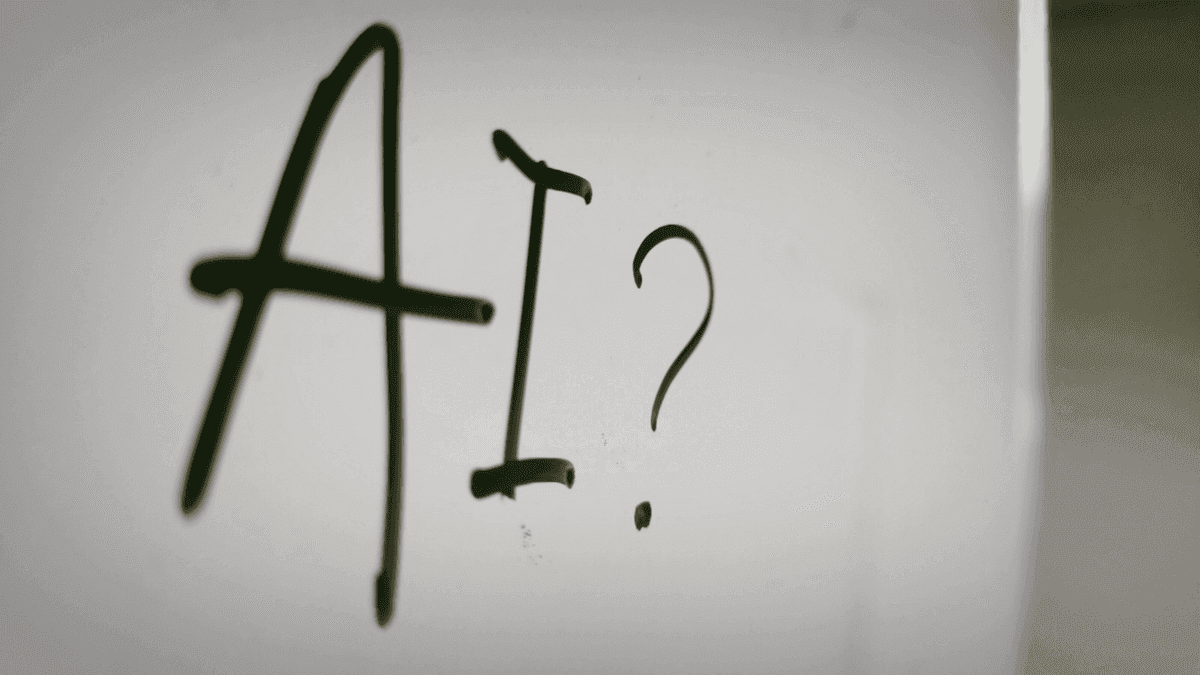
AI detection tools are fundamentally changing how authors write, creating a climate where writers modify their natural prose to avoid being accused of using AI. The issue exploded into public view when Hachette Book Group canceled Mia Ballard's horror novel 'Shy Girl' after Pangram, an AI detection tool, scored it 78.3% AI-generated
1
2
3
. Ballard denied the AI allegations, claiming an editor made AI-assisted changes without her knowledge to a previously self-published version1
2
.
Source: Gadgets 360
The controversy extends beyond a single case. Nigerian author Jerry Falade reportedly lost a multi-million-dollar book deal after being accused of using AI
2
3
. Multiple fiction authors have faced similar accusations, including one after winning a short story prize and another following publishers bidding millions for his crime novel1
. Research from Germany's Max Planck Institute for Human Development found that use of the word "delve" spiked in human language after ChatGPT's release, while writers now avoid em dashes because AI tools frequently use them2
3
.New Platforms Offer Paper Trail Solutions to Prove Human Authorship
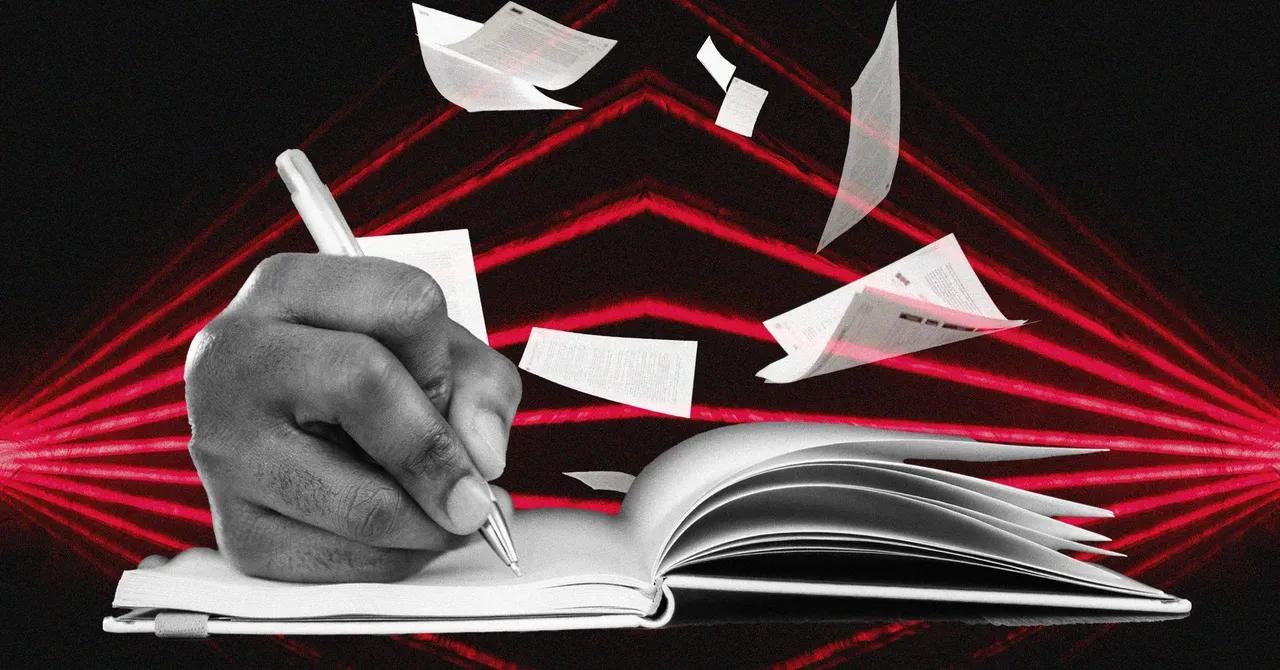
Software developers have responded with platforms designed to track and document the writing process. Tools including Workings, Blindproof, Wintertext, Human Ink, and ObraVera encrypt and fingerprint written work or typing rhythms with unique codes to create verifiable records of authorship
1
. These platforms aim to help authors defend against false plagiarism accusations while demonstrating provenance when text is scraped into AI training sets without attribution1
.
Source: Wired
Mary Rasenberger, CEO of the Authors Guild, acknowledges these tools exist as a security net, though many companies have approached the organization to pitch their services
1
. However, she emphasizes it's "insulting" and a "burden" for authors to preserve receipts, stating the guild doesn't feel it should be required1
. "If what you're selling are your words and your voice and your imagination, your creativity, using AI doesn't make sense," Rasenberger explains, noting that editors of literary nonfiction and fiction rarely encounter AI-generated submissions1
.False Positives Create Widespread AI Authorship Controversy
The reliability of AI detection tools remains questionable, with Pangram claiming an "industry-leading" false positive rate of 0.01% for creative writing
1
. Yet the Authors Guild has "heard of lots of instances where people have put their own human-authored work in Pangram and gotten a result back saying it was AI-generated"1
. Ballard's experience illustrates this problem: her novella 'Poly', which she wrote by hand from a mental health facility, received a 100% AI-written score for its first chapter2
3
. Her 2024 book 'Sugar' scored 83% AI-generated2
3
.Attempting to sound more human in 'American Teen Princess' by "dialing back a bit with the poetic writing," Ballard received a 37% score, with Pangram calling it a mix of human and AI writing
2
3
. This pattern has created what some call "AI tells" or signature AI language that writers must avoid2
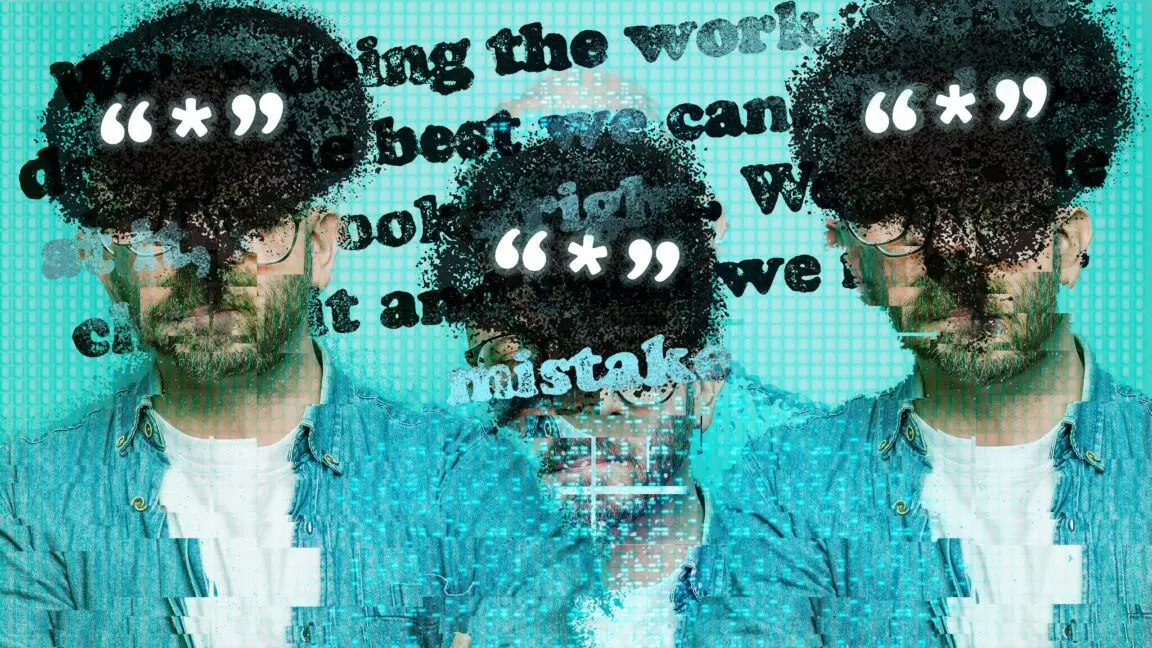
. Andrea Bartz, a New York Times bestselling author and lead plaintiff in a $1.5 billion copyright settlement against Anthropic, warns the situation could "lead to a potential witch hunt" where "anyone can accuse anyone of using AI"1
.Related Stories
Literary Community Faces Mounting Pressure to Navigate AI Detection
The impact reaches beyond book publishing, with multiple publications firing journalists accused of using AI to write articles
2
3
. One tech news platform editor added a disclaimer to his piece after readers accused it of being AI-written2
. Authors now face a hybrid approach: completely avoiding AI while simultaneously avoiding sounding like it, or using AI and later humanizing the text2
.Rasenberger urges the literary community to "refrain from accusations of other authors because it just does not support a healthy literary community"
1
. She warns against overconfidence in AI detection tools, which can be fooled and produce false positives1
. Process-tracking apps aren't foolproof either, as the ongoing AI arms race means continuous vulnerabilities and fixes on both sides1
. Writers must now navigate avoiding false accusations while maintaining creative freedom, with no agreed-upon standard for proving human authorship1
. The situation forces authors to choose between preserving their natural writing habits and adapting to detection algorithms that may incorrectly flag their work.References
Summarized by

Navi
[3]
Related Stories
New York Times drops critic over AI use as ethical concerns shake publishing industry
25 Mar 2026•Entertainment and Society

Authors Face Career-Ending AI Accusations as Publishing Industry Grapples With Trust Crisis
10 Apr 2026•Entertainment and Society

Commonwealth Prize winner cleared of AI use as detection tools face scrutiny over accuracy
04 Jul 2026•Entertainment and Society

Recent Highlights


Recent Highlights
Today's Top Stories





Don’t drown in AI news. We cut through the noise - filtering, ranking and summarizing the most important AI news, breakthroughs and research daily. Follow topics that matter to you and stay ahead.


