Microsoft Study Reveals Humans Struggle to Distinguish AI-Generated Images from Real Photos


5 Sources
[1]
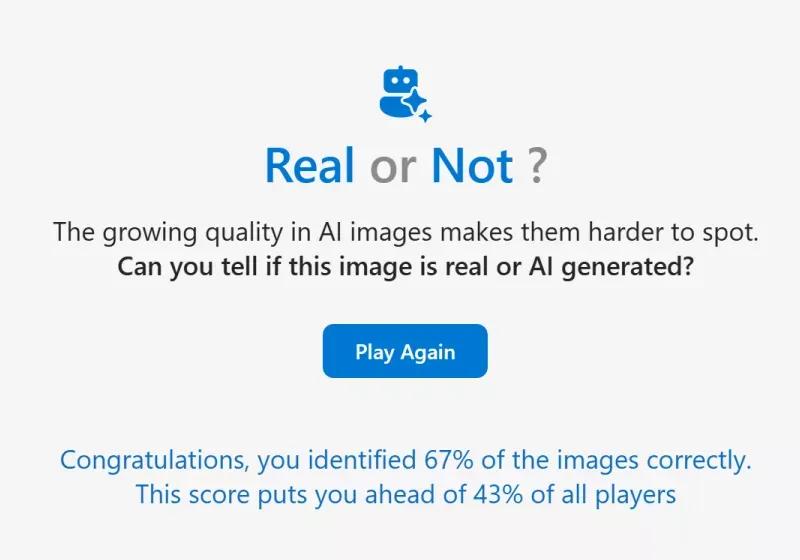
Think you can tell a fake image from a real one? Microsoft's quiz will test you
Through the looking glass: When AI image generators first emerged, misinformation immediately became a major concern. Although repeated exposure to AI-generated imagery can build some resistance, a recent Microsoft study suggests that certain types of real and fake images can still deceive almost
[2]
Humans are really bad at detecting fake AI images, study shows
If you're constantly fooled by AI-generated images, you aren't alone. Turns out, most people are. According to a new research paper by Microsoft's AI for Good Lab, humans are surprisingly (or maybe not-so-surprisingly) bad at detecting and recognizing AI-generated images. The study collected data
[3]
A Little Over 50% of People Can Recognize AI Images from Real Photos
Just yesterday, PetaPixel reported that AI-generated models have started appearing in Vogue magazine and now a new Microsoft study suggests it is unlikely that readers realized that the photorealistic images were synthetic. A recent study from Microsoft's AI for Good Lab highlights the challenges
[4]
Microsoft study suggests folks can't tell the difference between real and AI-generated images about 62% of the time -- but can you do any better?
Unless you take curation of your social feeds very seriously, the tidal wave of AI slop images and videos has felt nigh inescapable. More worrying still is how often this crashing tide serves to highlight which of our loved ones struggle to discern AI-generated content from all the slop made by
[5]

Can you tell the difference between a real photo and an AI generated image?
With AI image generation easily accessible and popular models from Dall-E, Stable Diffusion, and Midjourney delivering realistic results, you're probably not surprised that some people are unable to tell the difference between a real photo and an AI-generated image. A new study from Microsoft,
Share
Copy Link
A recent Microsoft study shows that people can only accurately identify AI-generated images 62% of the time, highlighting the growing challenge of distinguishing synthetic media from real photographs.
Microsoft's Revealing Study on AI Image Detection
A recent study conducted by Microsoft's AI for Good Lab has shed light on the growing challenge of distinguishing AI-generated images from real photographs. The research, which involved over 12,500 participants evaluating approximately 287,000 images, found that humans can accurately identify AI-generated images only about 62% of the time – just slightly better than random chance
1
.
Source: PetaPixel
Key Findings and Implications
The study revealed several interesting patterns in human perception of AI-generated imagery:
-
Facial Recognition: Participants were most successful at identifying AI-generated images of people, with a 65% accuracy rate
1
. -
Landscape Challenges: Identifying AI-generated landscapes proved more difficult, with participants achieving only a 59% success rate
3
. -
GAN Deepfakes: Despite being an older technology, GAN (Generative Adversarial Network) deepfakes still fooled about 55% of viewers
1
. -
Deceptive Real Photos: Surprisingly, some of the most challenging images to identify were actually real photographs with unusual lighting or settings, which participants mistakenly labeled as fake
1
.
Technological Advancements and Challenges
The study highlights the rapid evolution of AI image generation technology. Microsoft researchers noted that their results likely overestimate people's current ability to distinguish AI-generated images, as the technology continues to improve
3
.To address this challenge, Microsoft is developing an AI detection tool that reportedly achieves over 95% accuracy in identifying both real and synthetic images
3
. However, the effectiveness of such tools remains to be seen, as previous attempts have faced limitations4
.
Source: TechSpot
Related Stories

Implications for Media and Society
The study's findings raise important questions about the potential for misinformation and the need for transparency in AI-generated content:
-
Content Labeling: Microsoft advocates for clearer labeling of AI-generated images to help users distinguish between real and synthetic content
2
. -
Watermarking and Digital Signatures: Researchers suggest implementing watermarks, digital signatures, and content credentials to inform the public about the nature of the media they consume
4
. -
Public Awareness: The study underscores the importance of educating the public about AI-generated content and developing critical media literacy skills
5
.
As AI image generation technology continues to advance, the ability to distinguish between real and synthetic content becomes increasingly crucial. This study serves as a wake-up call for both technology companies and the general public to address the challenges posed by AI-generated imagery in our increasingly digital world.
References
Summarized by

Navi
Related Stories
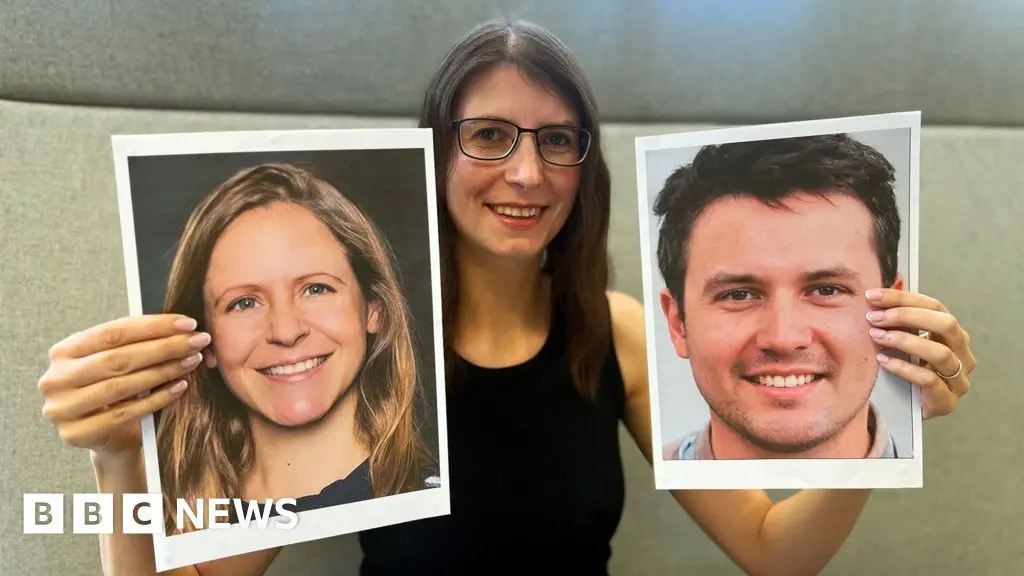
Researchers find training humans to spot deepfakes boosts accuracy from 40% to 80% in just one hour
11 Jul 2026•Science and Research
New training method doubles accuracy in spotting AI-generated faces, study shows
29 Jun 2026•Science and Research

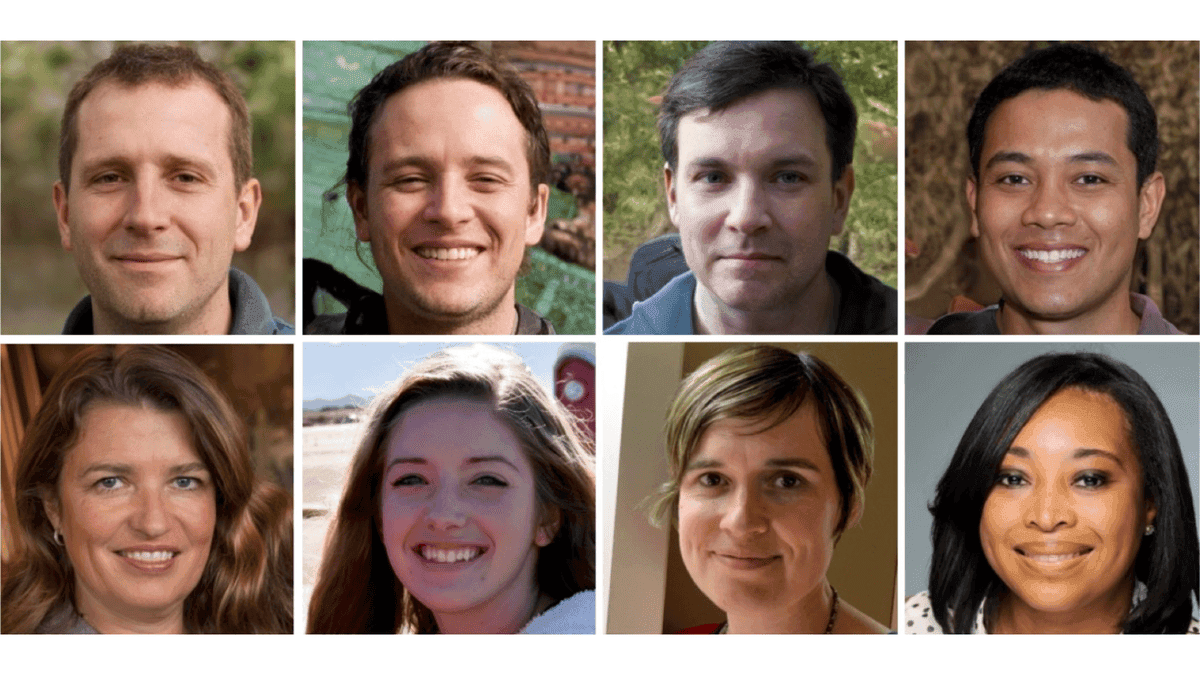
AI-Generated Faces Fool Even Super Recognizers, But Five-Minute Training Boosts Detection
27 Dec 2025•Science and Research
Recent Highlights
1
Meta Unveils Muse Wonder Frontier AI Models, Claims Performance Matching OpenAI and Anthropic
Technology

2
IMF Report Warns AI Market Correction Could Spark Global Financial Crisis With $1.4T at Risk
Business and Economy

3
Eight States Sue OpenAI Over ChatGPT Safety Concerns and Unlawful Collection of Children's Data
Policy and Regulation
Recent Highlights
Today's Top Stories







Don’t drown in AI news. We cut through the noise - filtering, ranking and summarizing the most important AI news, breakthroughs and research daily. Follow topics that matter to you and stay ahead.


