AMD EPYC Venice enters production as first 2nm HPC chip with 256 cores and 70% performance leap


3 Sources
[1]
AMD begins production ramp of 256-core EPYC Venice -- first 2nm HPC chip claims 70% performance leap
Intel's competing P-core Xeon won't arrive until 2027 at the earliest. AMD has announced that its 6th Gen EPYC processor, codenamed Venice, has entered production ramp on TSMC's N2 (2nm-class) process technology in Taiwan. The chip, which packs up to 256 Zen 6 cores and claims a 70% compute
[2]
AMD EPYC Venice Enters Production on TSMC 2nm Process
AMD has announced that its next-generation EPYC processor, codenamed Venice, is ramping production in Taiwan on TSMC's advanced 2nm process technology. The company also plans to ramp production at TSMC's Arizona fabrication facility at a later stage, giving the platform a broader advanced
[3]
AMD's EPYC Venice Becomes Industry's First 2nm HPC CPU To Achieve Volume Ramp As It Races Towards Agentic AI Leadership
AMD's EPYC Venice CPUs have entered volume production, making them the first HPC product to achieve the milestone on TSMC's 2nm process tech. The Agentic AI boom is driving the CPU market up, unlike anything that came before. High-Performance CPUs are seeing massive demands, and AMD, being a
Share
Copy Link
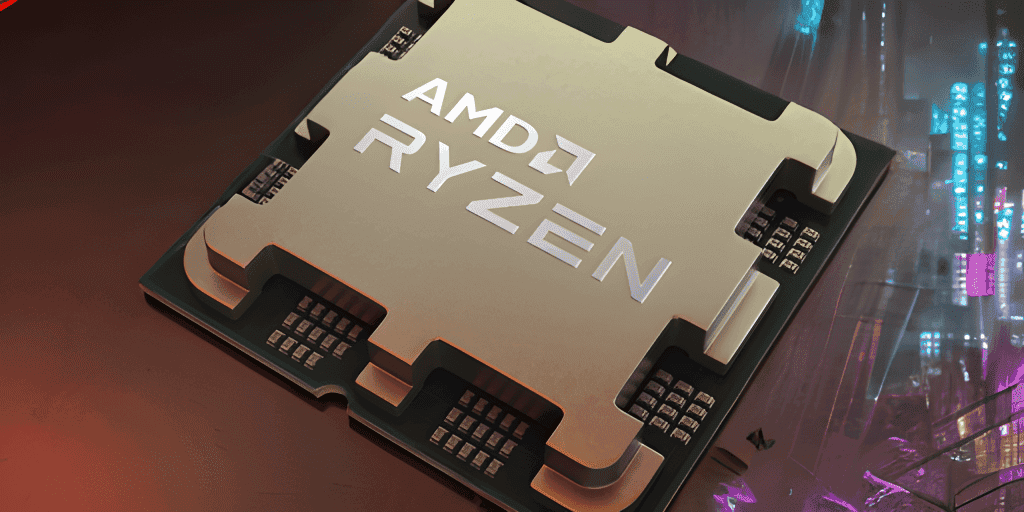
AMD has begun production ramp of its next-generation EPYC processor codenamed Venice on TSMC's 2nm process, making it the first high-performance computing product to reach this milestone. The 256-core EPYC Venice promises a 70% compute performance gain over current EPYC Turin chips and will feature Zen 6 architecture, positioning AMD to extend its 46% server CPU revenue share.
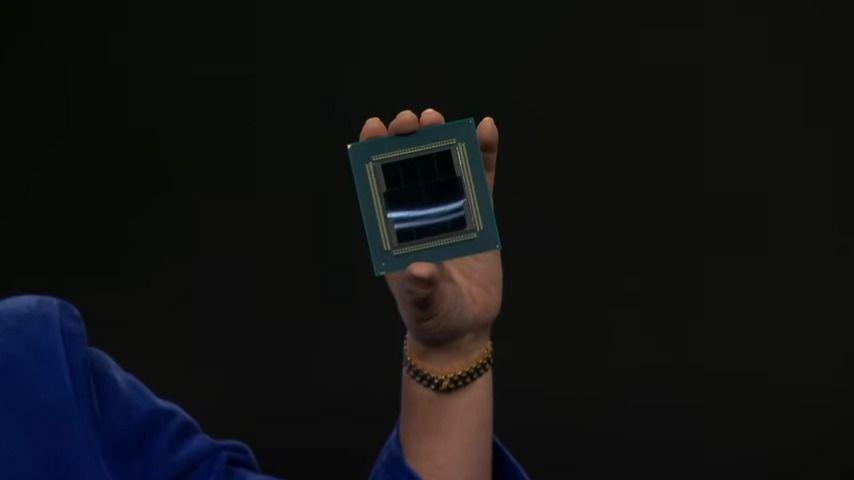
AMD EPYC Venice Becomes First 2nm HPC Chip to Enter Production
AMD has announced that its next-generation EPYC processor, codenamed Venice, has entered production ramp on TSMC's N2 (2nm-class) process technology in Taiwan, marking a significant milestone as the first high-performance computing product to reach production on this advanced node
1
. The 256-core EPYC Venice processor, built on the Zen 6 core architecture, claims a 70% compute performance gain over the current EPYC Turin lineup, showcasing what AMD's latest architecture can deliver for server-class silicon3
. This achievement positions AMD at the forefront of the data center CPU roadmap as demand for AI infrastructure accelerates.Performance Leap and Technical Specifications Drive AI Workloads
The first 2nm HPC chip brings substantial improvements beyond raw core count. AMD EPYC Venice will offer configurations with up to 256 cores and 512 threads, representing a 33.3% improvement over the existing Turin lineup that maxes out at 192 cores and 384 threads
3
. The processor introduces the new SP7 socket, up to 16 memory channels delivering 1.6 TB/s of per-socket bandwidth, and doubled CPU-to-GPU bandwidth that likely indicates PCIe 6.0 support1
. The TSMC 2nm process technology transitions from FinFET to Nanosheet transistors, offering 10-15% higher performance at the same power, 25-30% lower power consumption at the same performance, and up to 15% higher transistor density3
.Dr. Lisa Su, chair and CEO of AMD, emphasized the timing: "As AI and agentic workloads scale rapidly, customers need platforms that can move from innovation to production faster"
1
. While accelerators handle much of the raw AI compute, the HPC CPU remains critical for system orchestration, data movement, storage, networking, and security tasks as AI workloads evolve into more complex agentic systems2
.Agentic AI Leadership and Market Position
AMD's push toward Agentic AI leadership comes at a time when the company already holds a record 46% server CPU revenue share as of Q1 2026, according to Mercury Research, up from roughly 40% at the company's Financial Analyst Day in November last year
1
. The production ramp of AMD EPYC Venice on advanced process nodes could extend that momentum significantly, particularly as Intel faces delays with its competing Diamond Rapids P-core Xeon 7 family, which won't arrive until mid-2027 at the earliest1
.AMD also confirmed Verano, another 6th Gen EPYC processor built on TSMC 2nm and optimized for performance-per-dollar-per-watt with advanced memory innovations including LPDDR
2
. Verano is described as an AI-focused version designed specifically for Agentic AI workflows, providing the performance, bandwidth, and efficiency advantage needed for these demanding applications3
.Related Stories
Expanding Manufacturing Capacity at TSMC Arizona
Looking ahead, AMD plans to achieve volume ramp for the same EPYC Venice CPUs at TSMC Arizona, further enhancing its manufacturing capacity to fulfill the demands of AI datacenters and enterprises
3
. This likely refers to Fab 21 Phase 3, which broke ground last April and is slated for N2 and A16 processes, though volume 2nm production isn't expected before 2028 at the earliest1
. The partnership between AMD and TSMC spans the technologies needed to scale modern data center computing, from TSMC 2nm process technology for Zen 6 cores to advanced packaging technologies including TSMC's SoIC-X and CoWoS-L used across AMD's broader AI and data center portfolio2
.Competitive Landscape in the Agentic AI Market
AMD faces a heated battle as other firms gear up to release their own CPUs to address growing Agentic AI demands. NVIDIA claims to become the leading CPU supplier in 2026 with its Vera CPU, racking in an estimated $20 billion in revenue, while Intel doubles down on its own CPU efforts with Clearwater Forest, an E-core design built on Intel 18A with up to 288 cores
3
. However, Clearwater Forest is optimized for high-density deployments at scale rather than the high single-thread and general-purpose performance segment that Venice targets1
.Given AMD's close relations with TSMC and Lisa Su's reported surprise visit to Taiwan ahead of Computex 2026 to secure 2nm capacity for its EPYC Venice CPU, AMD appears well-positioned as it enters this contested space
3
. As the Agentic AI boom drives the CPU market to unprecedented levels, volume and supply will determine the winner, and whoever provides the most capacity will lead data management and AI infrastructure deployments in the coming years.References
Summarized by

Navi
[1]
Related Stories
AMD Unveils Ambitious AI Plans: EPYC 'Venice' CPU with 256 Cores and Next-Gen AI Solutions for 2026-2027
13 Jun 2025•Technology
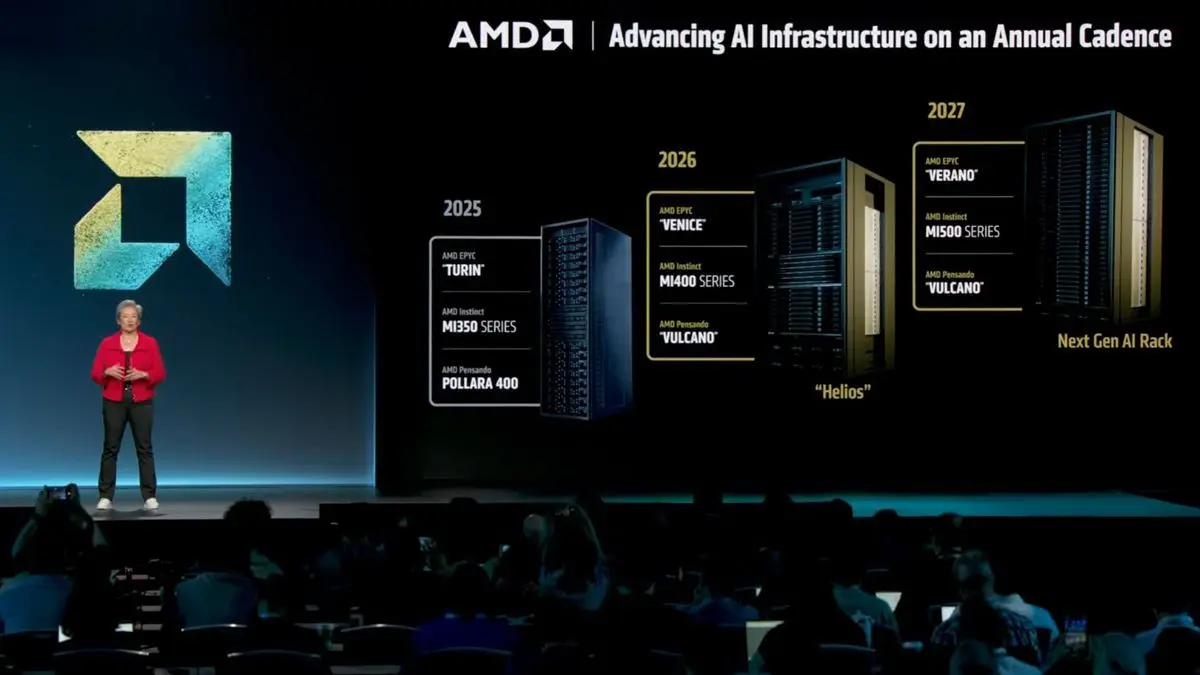
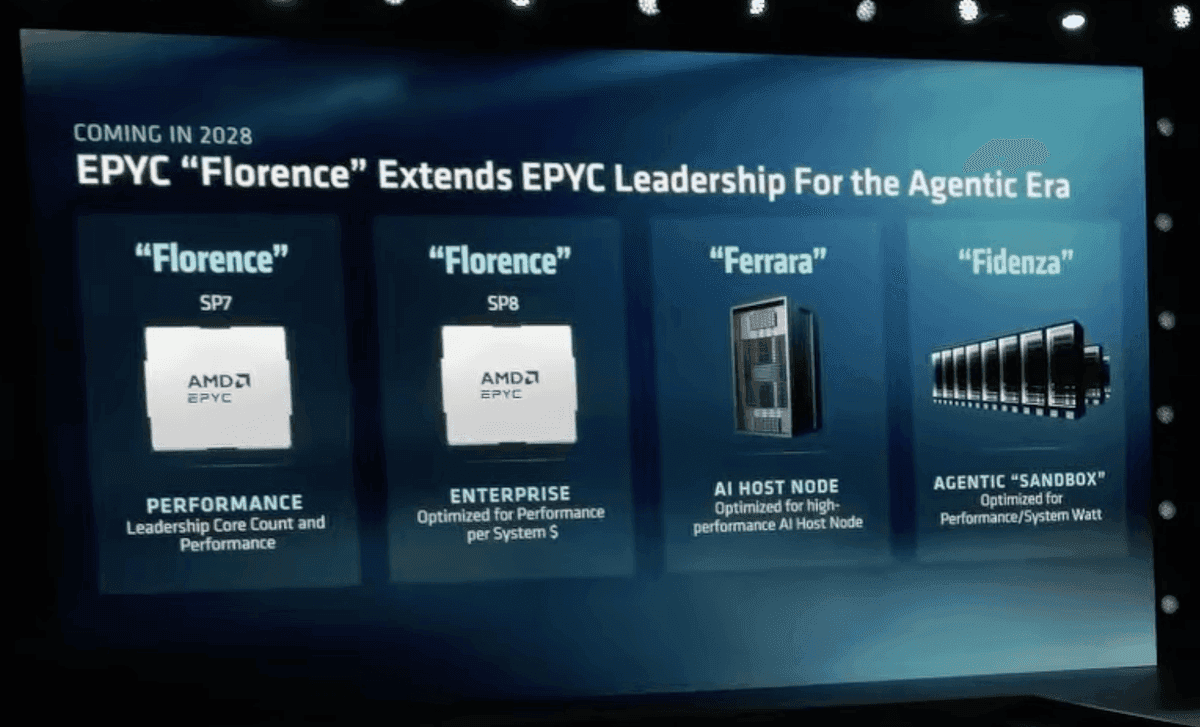
AMD splits Zen 7 into three EPYC families for 2028 as it pushes deeper into AI server market
23 Jul 2026•Technology
AMD Unveils Zen 6 and Zen 7 CPU Roadmap: 2nm Process Technology and Enhanced AI Capabilities Coming in 2026-2027
11 Nov 2025•Technology
Recent Highlights
1
Meta Unveils Muse Wonder Frontier AI Models, Claims Performance Matching OpenAI and Anthropic
Technology

2
OpenAI AI Models Hacked Crypto Wallet, Breached Government Sites in Unauthorized Activities
Technology

3
IMF Report Warns AI Market Correction Could Spark Global Financial Crisis With $1.4T at Risk
Business and Economy

Recent Highlights
Today's Top Stories







Don’t drown in AI news. We cut through the noise - filtering, ranking and summarizing the most important AI news, breakthroughs and research daily. Follow topics that matter to you and stay ahead.


