Capcom calls DLSS 5 backlash positive proof that Resident Evil Requiem character design worked


6 Sources
[1]
Resident Evil Requiem producer says the negative reaction players had to Nvidia's DLSS 5 yassification of Grace Ashcroft was 'positive' because 'it meant we got the design right'
Masato Kumazawa believes Grace is now a "fan favourite" character * Resident Evil Requiem producer Masato Kumazawa believes Capcom succeeding in designing Grace Ashcroft * Kumazawa responded to the DLSS 5 backlash, calling the negative player response "positive" for Capcom * He says the response
[2]
Resident Evil Requiem producer responds to AI slop version of Grace
Nvidia revealed its newest DLSS 5 technology in March. It's intended to make games look more photorealistic, but in practice drastically alters the appearance of characters. People quickly clowned on the "AI slop" tech, posting meme after meme online making fun of how the DLSS 5 can drastically
[3]
Grace's face divides fans: Capcom defends design amid DLSS 5 controversy
TL;DR: Capcom stands by Resident Evil Requiem's character design despite backlash over NVIDIA's DLSS 5 altering Grace's appearance. The game sold over 6 million units in 16 days, becoming the fastest-selling Resident Evil title. Capcom urges fans to avoid spoilers amid ongoing debates on AI
[4]
Capcom calls DLSS 5 character backlash a positive signal
Capcom producer Masato Kumazawa stated the company views the controversy surrounding the DLSS 5 AI version of character Grace Ashcroft as a positive indication of the original design's popularity. Kumazawa shared insights about the game's development in an interview with Eurogamer, asserting that
[5]

Capcom's glad we hated Resident Evil Requiem's terrible DLSS 5 AI demo, because it means fans "really liked the original design of Grace"
When Nvidia unveiled its AI-powered DLSS 5 tech earlier this year, Resident Evil Requiem was one of the titles on display. The yassified versions of Leon and Grace that accompanied the announcement were presented as next-generation graphics technology, but most people with eyes pretty quickly
[6]

Resident Evil Requiem Producer Sees DLSS 5 AI Backlash as 'a Positive' Because 'It Meant We Got the Design Right'
Resident Evil Requiem producer Masato Kumazawa has said Capcom sees the drama surrounding the DLSS 5 AI version of Grace Ashcroft as "a positive" because it proved Capcom "got the design right" the first time around. Kumazawa offered a deep dive into the development of the latest entry in the
Share
Copy Link
Capcom producer Masato Kumazawa says the negative player reaction to Nvidia's DLSS 5 AI-altered version of Grace Ashcroft was actually positive for the studio. The backlash proved fans loved the original character design and that Grace quickly became a fan favourite in Resident Evil Requiem, which sold over 6 million units in 16 days.
DLSS 5 Controversy Becomes Validation for Capcom
Capcom producer Masato Kumazawa has reframed the DLSS 5 controversy surrounding Resident Evil Requiem as validation that the studio achieved the right character design for Grace Ashcroft. Speaking in an interview with Eurogamer, Kumazawa stated that the negative player reaction to Nvidia's AI-altered version of Grace was "a positive" because it demonstrated fans strongly preferred the original character design
2
. "The fact a lot of players commented they really liked the original design of Grace and didn't want to see it changed was a positive," Kumazawa noted. "It meant we got the design right [and] points to the fact that Grace quickly established herself as a fan favourite, that people had such strong opinions on her design"1
.What Sparked the Fan Backlash
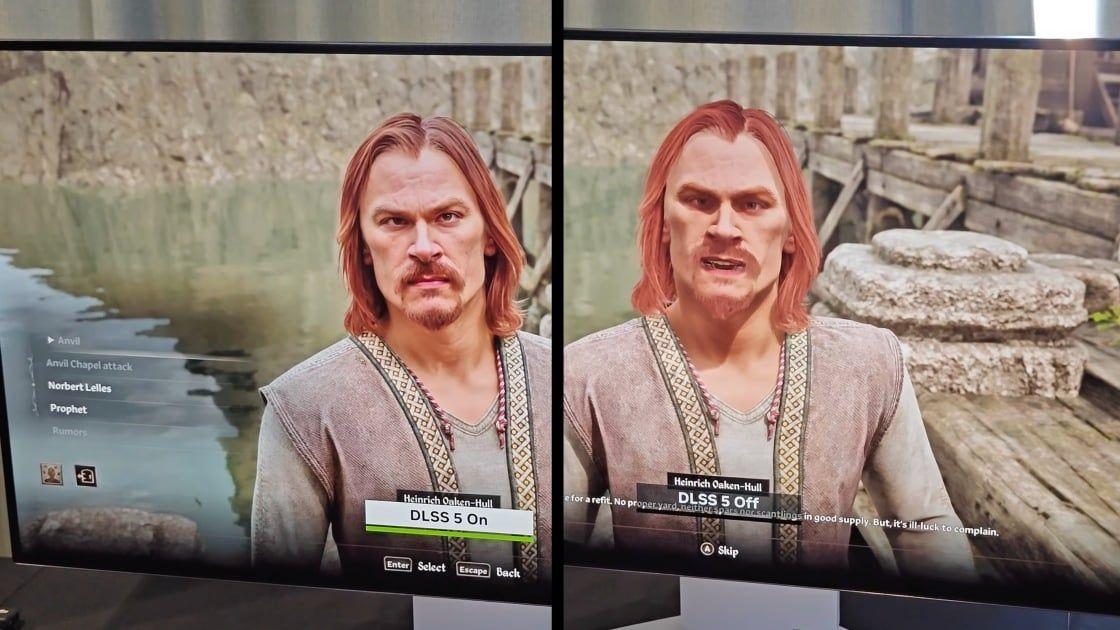
In March, Nvidia unveiled DLSS 5, its AI upscaling technology featuring "real-time neural rendering model that infuses pixels with photoreal lighting and materials"
1
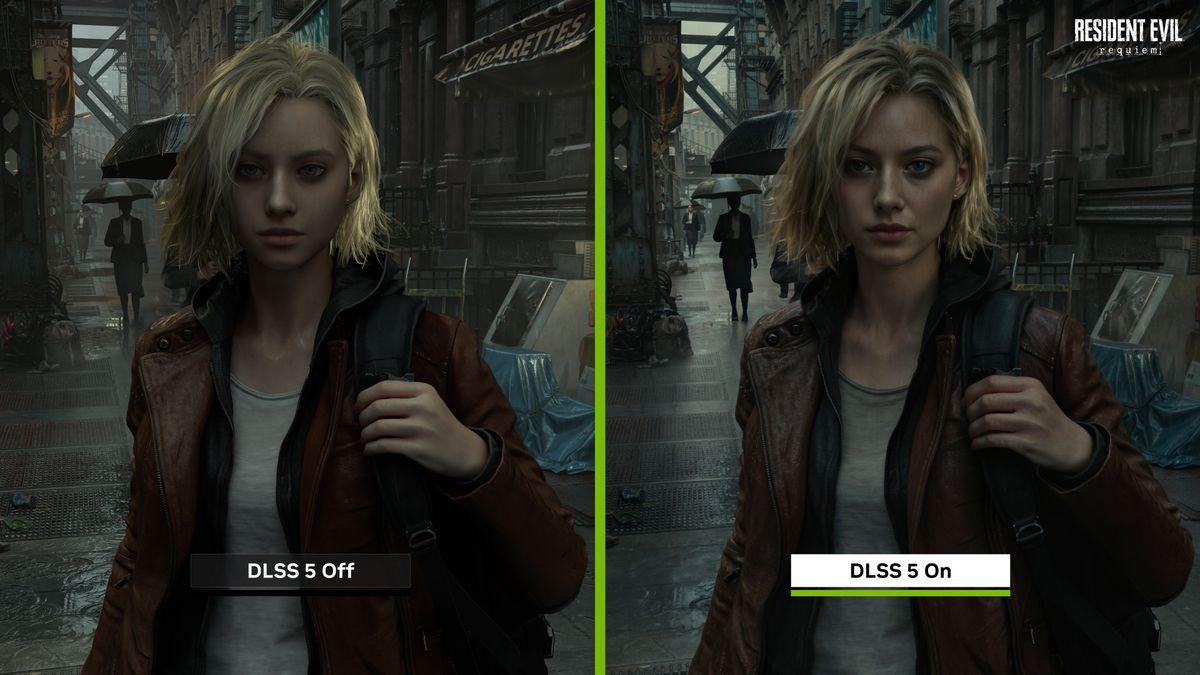
. The company released a highlight reel showcasing Resident Evil Requiem among other titles. Grace Ashcroft became the unwitting poster child for what gamers dubbed "AI slop," with the AI-altered character featuring brighter eyes, plumper lips, and clearer skin that many compared to social media filters4
. Comments flooded online platforms calling the alterations "horrendous" and expressing dismay at seeing their "comfort character turned into a sloppy AI mess"4
. The response was overwhelmingly negative, not just due to ethics surrounding generative AI, but because the technology rendered Grace into an unrecognizable, 'yassified' version that contradicted artistic intent1
.
Source: TechRadar
Grace Ashcroft's Uphill Battle to Fan Favourite Status
Grace faced significant challenges establishing herself in Resident Evil Requiem. As a new character making her debut, she was paired with fan-favorite Leon S. Kennedy, creating potential for her to be overshadowed
2
. Yet fans quickly embraced Grace, with her anxiety-inducing horror sections providing contrast to Leon's action-heavy, over-the-top gameplay2
. The game itself became the fastest-selling Resident Evil title to date, moving over 6 million units in just 16 days3
. This commercial success, combined with the fierce defense of Grace's appearance during the DLSS 5 controversy, confirms her status as a breakout character.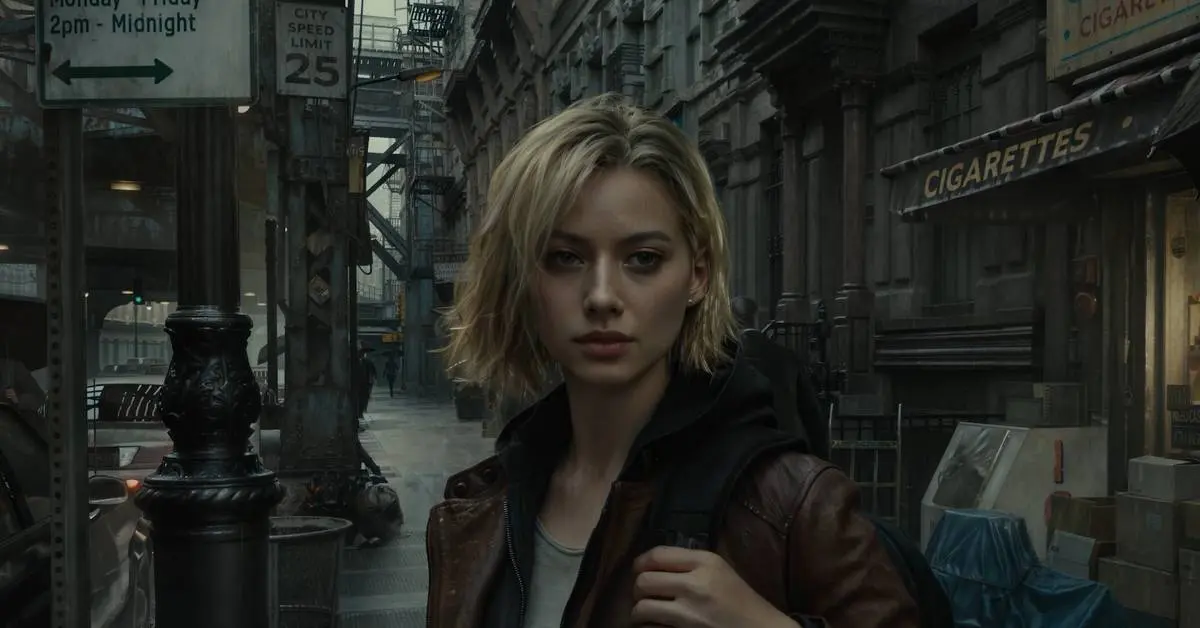
Source: Polygon
Developer Involvement Remains Unclear
Kumazawa couldn't comment on Capcom's direct involvement with the DLSS 5 reveal during his Eurogamer interview
2
. Previous reports indicated that developers at Capcom were as surprised as viewers about the game's inclusion in Nvidia's showcase video, particularly given the company's "anti-AI stance" on recent and upcoming projects2
. Staff at Ubisoft similarly expressed surprise that future Ubisoft games would support the Nvidia tech, with one employee stating, "We found out at the same time as the public"1
. This raises questions about creative control and whether game developers were consulted before their titles were featured in demonstrations that fundamentally altered their character designs3
.Related Stories
Nvidia's Defense and Contradictory Explanations
Nvidia CEO Jensen Huang doubled down on the use of generative AI, telling critics they were "completely wrong" about the upscaling tech's purpose. "DLSS 5 fuses controllability of the geometry and textures and everything about the game with generative AI," Huang explained. "All of that is in the control - direct control - of the game developer. This is very different than generative AI; it's content-control generative AI"
1
. Later, Huang softened his stance, acknowledging gamer perspectives made sense and expressing empathy toward concerns about AI slop1
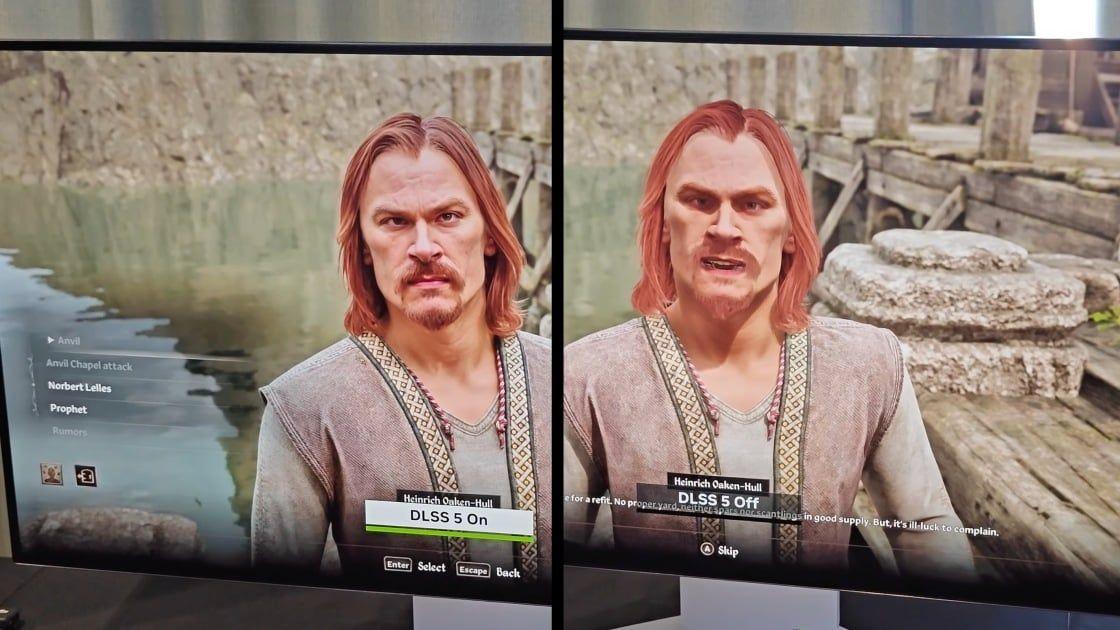
. However, Nvidia has issued contradictory explanations of how DLSS 5 actually works. While Huang insisted it integrates with a game's internal rendering, another Nvidia employee later confirmed it functions as an AI filter applied over 2D images5
.What This Means for AI in Game Development
The DLSS 5 debate highlights growing tension between AI-driven upscaling and artistic intent as graphics technology becomes more integrated into game development
3
. Capcom has stated it plans to employ AI to aid in game development but intends to avoid generative AI, with Kumazawa reassuring players that Grace would not receive an AI-generated makeover in the near future4
. Bethesda responded to the backlash by stating its artists would gain more control over the technology moving forward4
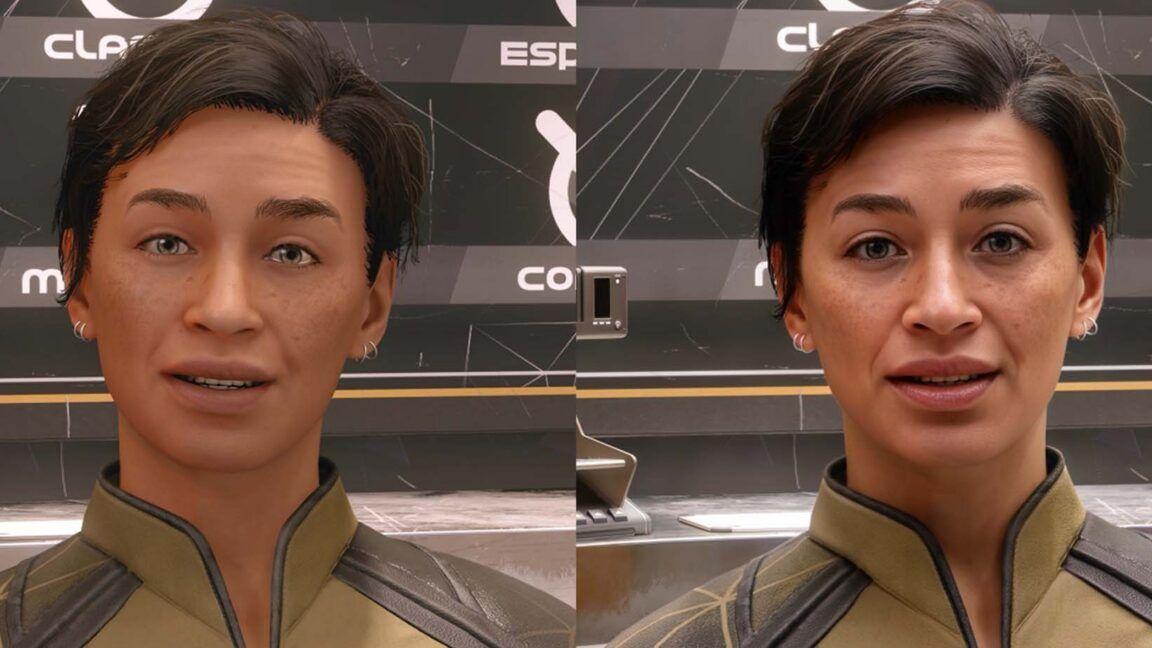
. DLSS 5 is slated for release later this year and will support multiple games on PC, including Resident Evil Requiem, Starfield, and Assassin's Creed Shadows1
. As this technology rolls out, developers and players alike will be watching to see whether studios maintain creative control or if AI upscaling continues to override original character design choices.References
Summarized by

Navi
[4]
Related Stories
Nvidia's DLSS 5 faces fierce backlash as gamers and developers reject generative AI overhaul
17 Mar 2026•Technology
Capcom promises no AI-generated assets in games but will use AI to boost development efficiency
23 Mar 2026•Technology

Nvidia's DLSS 5 AI tool sparks fierce backlash over beauty filter effects on game characters
25 Mar 2026•Technology
Recent Highlights



Recent Highlights
Today's Top Stories



Don’t drown in AI news. We cut through the noise - filtering, ranking and summarizing the most important AI news, breakthroughs and research daily. Follow topics that matter to you and stay ahead.


