Space startups approach insurers for orbital AI data centers as industry takes shape


2 Sources
[1]
Space startups seek insurance for orbital AI data centers
NEW YORK/LONDON, June 18 (Reuters) - Space companies have spoken with insurers about coverage for orbital AI data centers, a sign of early progress for an experimental industry backed by Elon Musk's SpaceX (SPCX.O), opens new tab and Jeff Bezos' Blue Origin. The concept of data center satellites
[2]
Space startups seek insurance for orbital AI data centers
Companies are exploring insurance for orbital AI data centers. This is a significant development for a new industry backed by Elon Musk's SpaceX and Jeff Bezos' Blue Origin. Securing insurance is vital for these ventures to move from concept to reality. Insurers are beginning discussions about
Share
Copy Link
Space companies backed by Elon Musk's SpaceX and Jeff Bezos' Blue Origin are in preliminary talks with insurers about coverage for orbital AI data centers. The discussions mark early progress for an experimental industry aiming to bypass Earth's power constraints, though insurers face challenges modeling risks for this novel space-based infrastructure.
Space Startups Pursue Insurance for Novel Infrastructure
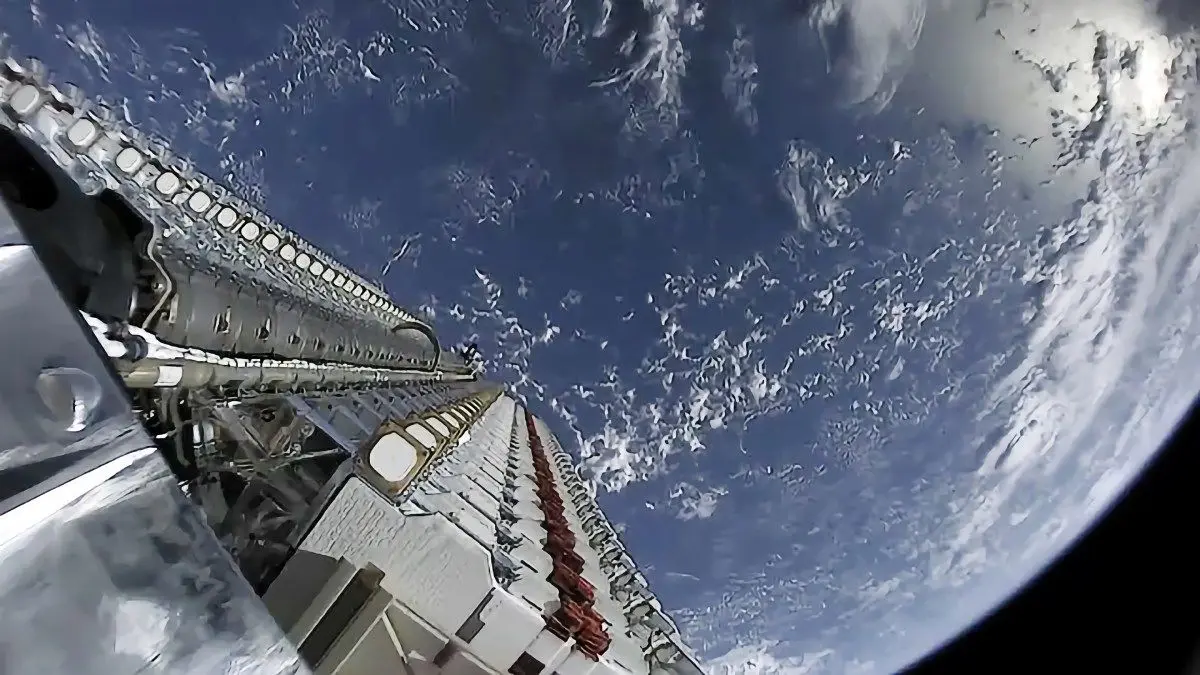
Space startups are taking concrete steps toward making orbital AI data centers a reality by approaching insurers about coverage for these experimental facilities. Companies backed by Elon Musk's SpaceX and Jeff Bezos' Blue Origin have initiated preliminary discussions with the insurance industry, signaling early but significant progress for ventures designed to bypass Earth's power constraints
1
. The concept gained momentum after Musk described data center satellites as the future of AI development ahead of SpaceX's record-breaking public listing this month2
.
Source: ET
Reuters spoke to four brokers and underwriters and three space firms who confirmed that talks about insurance for orbital AI data centers have taken place, though they remain in early stages. Insurance broker Marsh reported that several companies have approached insurers to understand what future coverage might entail. "We're already starting to see companies that are focused on data centers and companies that are focused on digital infrastructure looking to the insurance community for support," said Patton Kline, U.S. aviation and space practice leader at Marsh
1
.Critical Financing Hurdle for Space Technology
Securing insurance represents a critical milestone for companies attempting to transform orbital data centers from concept to operational reality. Without coverage for the costly hardware and risks involved, attracting the debt financing needed to scale such ventures would be difficult
1
. Blue Origin, along with space startups including Orbital, Starcloud, Lonestar Data Holdings, and Cowboy Space, have all signaled their intention to launch space-based data centers2
.Lonestar Data Holdings recently held a briefing at Marsh's offices for insurance marketplace Lloyd's of London, attended by about 25 insurers, demonstrating the growing interest from the insurance community
1
. This level of engagement suggests insurers recognize the potential market opportunity, even as they grapple with unprecedented risk assessment challenges.Related Stories
Modeling Risks for Uncharted Territory
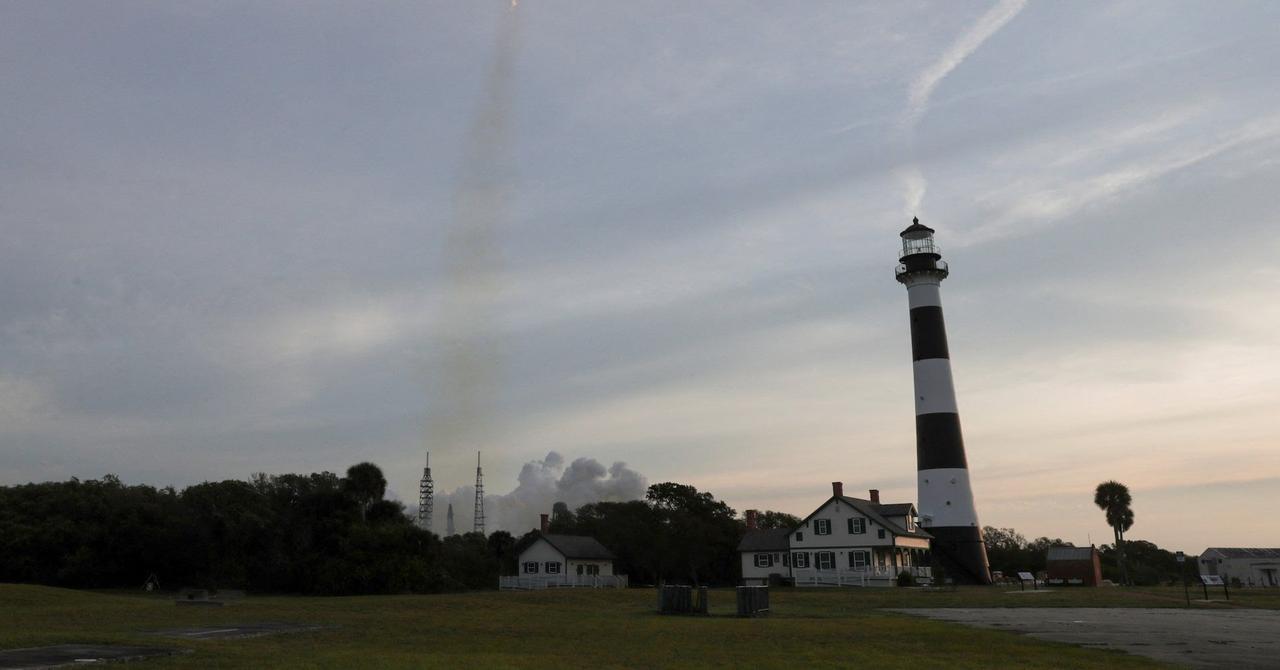
While insurers already cover launch failures, satellite malfunctions, orbital debris, and space weather in a global space market that collects roughly $500 million in annual premiums, they have little data on orbital AI infrastructure
1
. "The conversations in the market are focused on whether the risk can be modeled, rather than what the premium should be," said Kasey Roh, U.S. head of Upstage AI, which develops AI tools for insurance companies2
.
Source: Reuters
Part of the challenge involves valuing rapidly advancing AI chips, which could be vulnerable to harsh conditions in space, according to Orbital CEO Euwyn Poon
1
. David Wade, space underwriter at Atrium, noted that venture-capital-backed startups would have to expand before there would be a major insurance market for orbital data centers. "Until we get past that early round of financing and start seeing some of these companies expand by raising debt, I think the insurance needs are very limited at the moment," Wade said2
. This suggests the industry must demonstrate technical viability and secure additional funding before insurance becomes a mainstream product, making the current preliminary discussions an essential foundation for the future of AI development in space.References
Summarized by

Navi
Related Stories
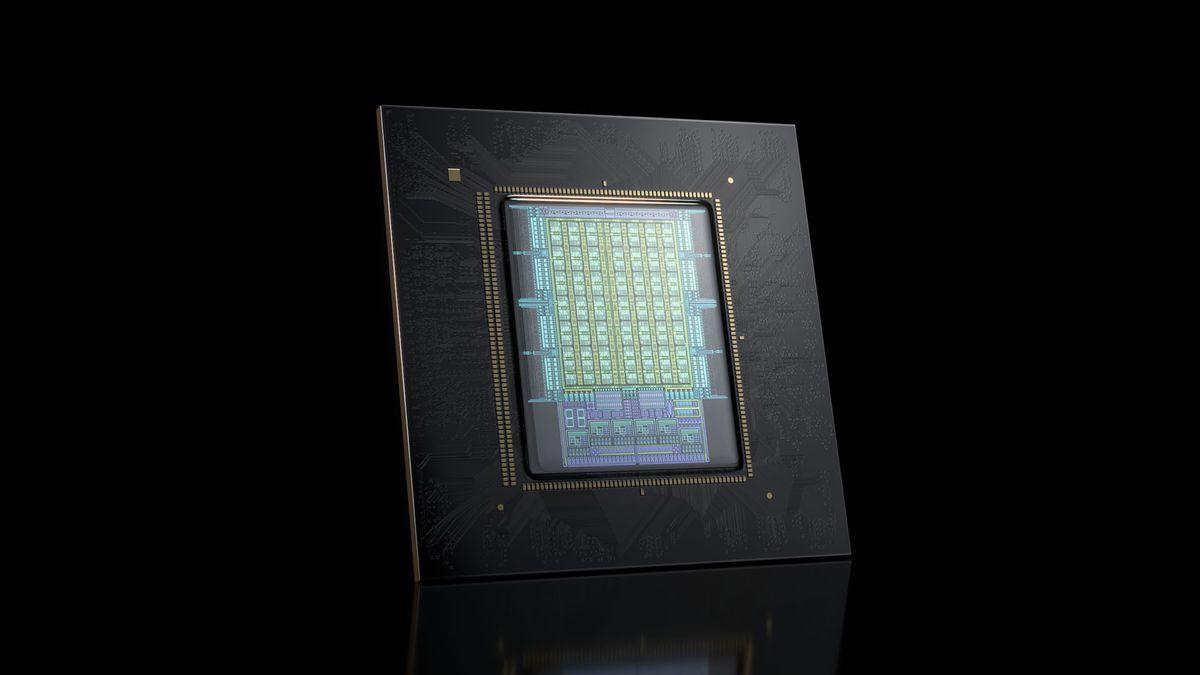
SpaceXAI Deploys Nvidia Vera CPUs for Grok's AI Agents and Orbital Data Centers in Space
24 Aug 2026•Technology
SpaceX warns orbital AI data centers may never become commercially viable despite Musk optimism
30 Apr 2026•Technology
Startups race to deploy orbital data centers for AI computing despite massive technical hurdles
01 Jul 2026•Technology

Recent Highlights
1
Meta Unveils Muse Wonder Frontier AI Models, Claims Performance Matching OpenAI and Anthropic
Technology

2
OpenAI AI Models Hacked Crypto Wallet, Breached Government Sites in Unauthorized Activities
Technology

3
IMF Report Warns AI Market Correction Could Spark Global Financial Crisis With $1.4T at Risk
Business and Economy

Recent Highlights
Today's Top Stories











Don’t drown in AI news. We cut through the noise - filtering, ranking and summarizing the most important AI news, breakthroughs and research daily. Follow topics that matter to you and stay ahead.


