SpaceX lenders want the AI chips backing their $43 billion loan to stay on Earth


8 Sources
[1]
SpaceX lenders don't want Elon Musk launching their collateral into space
Bondholders want SpaceX's valuable chip collateral kept on Earth and within reach. Lenders backing SpaceX's latest $43 billion debt package, which is secured by its advanced AI chips, have tried to bar Elon Musk from firing the collateral into space as part of his plan for orbital data
[2]
Lenders back SpaceX's $43 billion Nvidia GPU deal but worry the collateral could end up in orbit, making it impossible to reclaim if Musk defaults -- five-year 'hell-or-high-water' lease may lack a written Earth-only guarantee
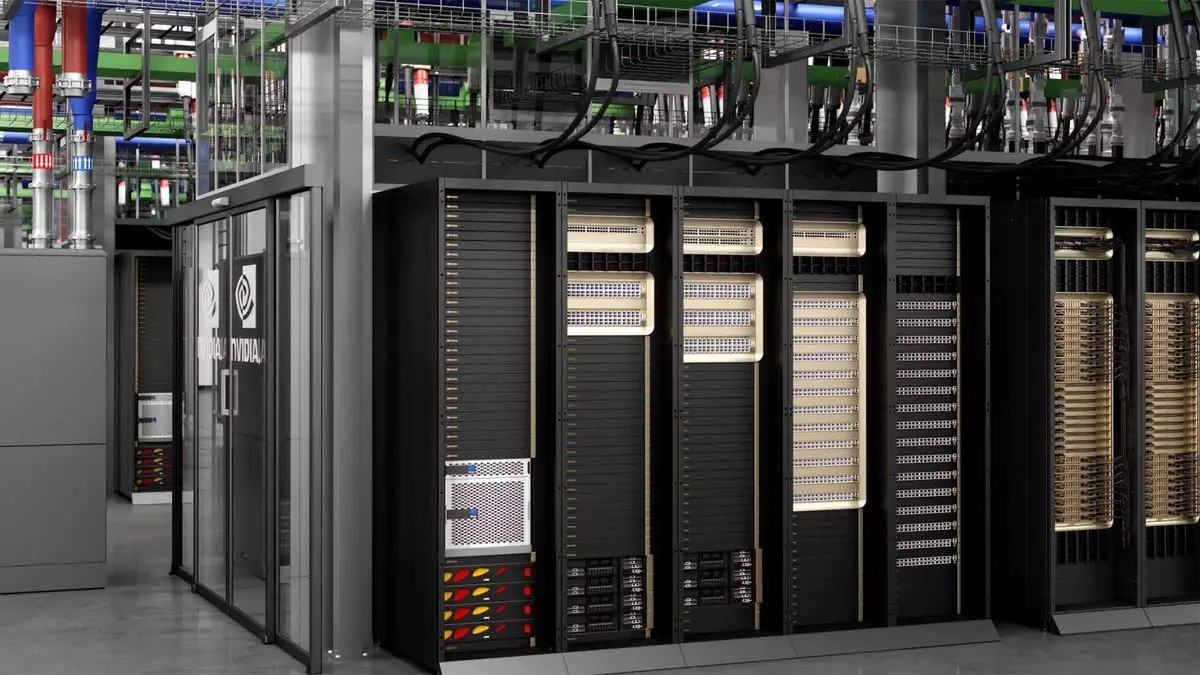
Creditors want to ensure they could still sell the AI chips in case SpaceX defaults on its loan. Elon Musk is borrowing $43 billion to finance SpaceX's acquisition of Nvidia AI chips for its ambitious data center projects and is using the semiconductors as collateral. However, Ars Technica reports
[3]
Elon Musk's Lenders Have One Request: Please Don't Launch Our AI Chips Into Space
The company has promised to use the $43 billion worth of Nvidia chips it secured as debt collateral exclusively for terrestrial data centers. Its financers are going to need to see that in writing. The company has promised $43 billion worth of Nvidia chips as collateral in its latest financing
[4]
SpaceX sold $32 billion in AI chip debt, most at yields above 8%
The sale is part of a more than $40 billion financing that funds Nvidia chips SpaceX will lease for about five years SpaceX sold $32 billion of debt tied to Nvidia $NVDA chips on Thursday, with most of it priced at yields above 8%, according to Bloomberg. The debt was sold in three parts and will
[5]

SpaceX Lenders Horrified at Elon's Genius Idea to Blast Billions of Dollars Worth of Advanced AI Chips Into Space
Elon Musk's latest flight of fancy involves potentially launching billions of dollars worth of cutting-edge AI chips into space. Starting in late 2025, the world's richest man began pushing the ludicrous idea of launching AI data centers into orbit. Though humanity remains decades -- if not
[6]

SpaceX Lenders Worry Musk Could Send Nvidia Chips to Orbit - SpaceX (NASDAQ:SPCX)
If SpaceX (NASDAQ:SPCX) stops paying for its new AI chips, its lenders want to be able to take them back and sell them. That gets a lot harder if Elon Musk has put them in orbit. Lenders asked for a clause keeping the Nvidia (NASDAQ:NVDA) Vera Rubin NVL72 systems financed under Project Saturn on
[7]
Elon Musk's Dream Meets Wall Street Reality: SpaceX Lenders Don't Want Nvidia Chips Leaving Earth - Space
Lenders backing a $43 billion debt deal for Elon Musk-led Space Exploration Technologies Corp. (NASDAQ:SPCX) are reportedly trying to stop the company from sending valuable Nvidia Corp. (NASDAQ:NVDA) AI chips into space, fearing they could lose the assets securing their loans. Lenders Fear Losing
[8]

SpaceX lenders seek safeguards against Musk sending AI chips into space - FT By Investing.com
Investing.com-- Lenders backing SpaceX's (NASDAQ:SPCX) latest $43 billion debt package have sought safeguards to prevent Elon Musk from sending the advanced Nvidia chips securing the financing into space, the Financial Times reported on Thursday. The lenders are concerned that deploying the
Share
Copy Link
SpaceX sold more than $30 billion of debt on Thursday in a financing backed by Nvidia chips, and the banks behind the roughly $43 billion package sought one safeguard: a contractual bar on Elon Musk sending that collateral into orbit
8
7
. Chips in orbit would be nearly impossible to repossess and resell if SpaceX defaulted8
1
. Insiders told the Financial Times that lenders would treat any chips launched into space as lost, since no one has ever attempted to repossess hardware from orbit5
.The problem for the banks is that the borrower's founder keeps saying he intends to do exactly that. SpaceX has said the financed chips will sit in US data centers it controls
8
2
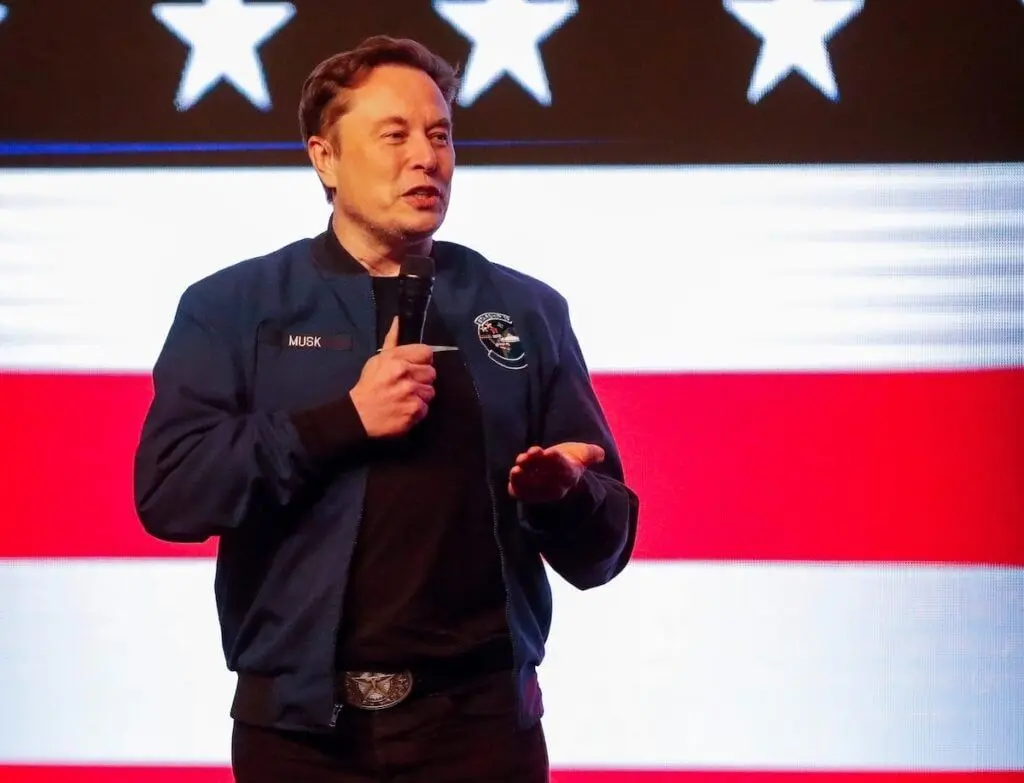
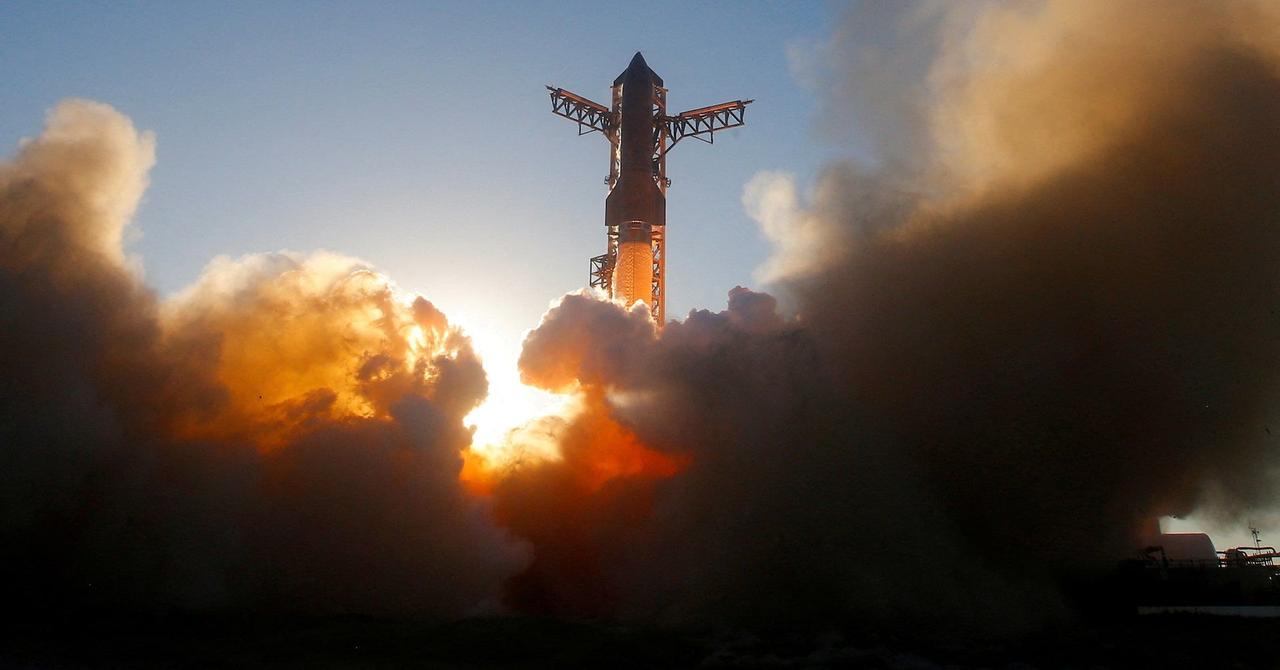
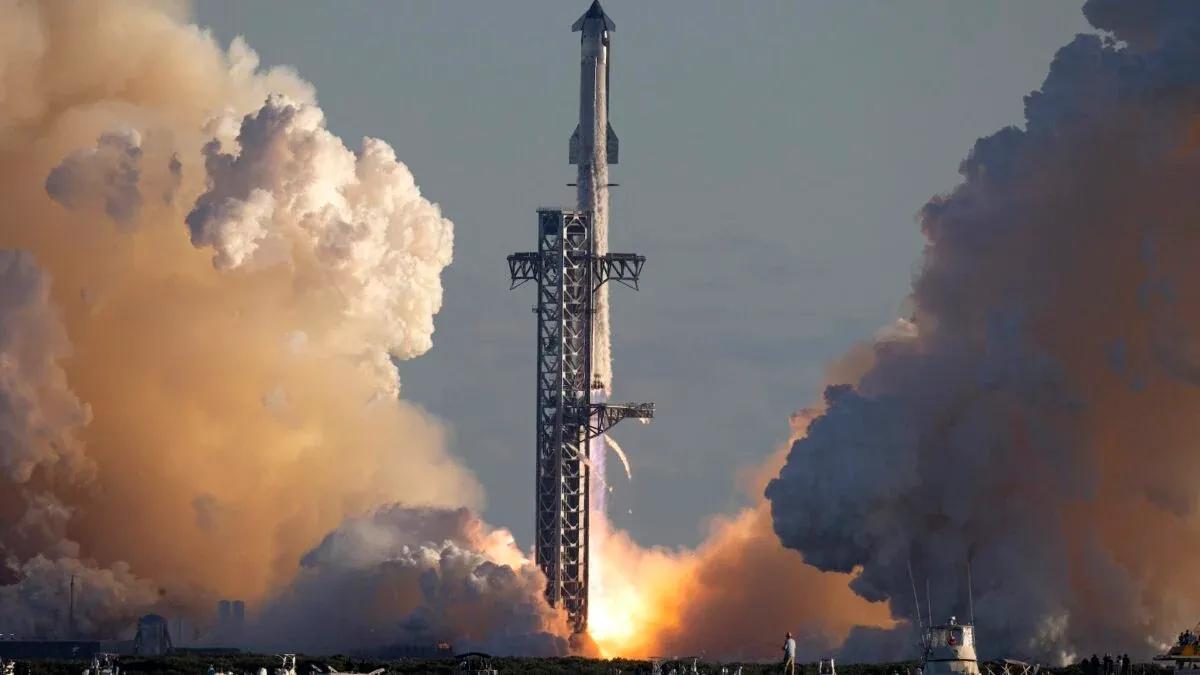
. Musk, the world's richest man, has said SpaceX could launch Nvidia-powered computers into orbit in 2027, with the first Starmind satellites possibly following in the third quarter of that year, months into the five-year lease on the very chips backing the bonds7
6
. After the US midterm elections, with voters having rejected terrestrial data-center plans, he posted on X: "Data centers in space looking pretty appealing right now"3
.
Source: Benzinga
The deal the fight is about
The sale is the public step in a financing called Project Saturn, a package worth about $43 billion
7
1
. The largest piece, roughly $25 billion of investment-grade bonds, yields about 8.3%, some 3.45 percentage points over what the US government pays7
4
.A special-purpose trust managed by an Apollo Global Management entity buys the chips, then leases them to SpaceX for roughly five years
7
4
2
. That keeps the debt off SpaceX's balance sheet so its credit ratings survive; one outlet likens the setup to aircraft leasing2
. The lease is "hell-or-high-water": SpaceX must keep paying every quarter even if the chips break, become obsolete or a disaster strikes4
2
. The rating agencies partly credited the debt's A-tier ratings to those terms4
2
. The bonds mature in 2032, but SpaceX is set to repay the principal in under four years, a feature designed to limit lenders' exposure7
1
.The collateral itself is about $47.3 billion of GPU equipment, mainly Nvidia's newest Vera Rubin chips, with deliveries expected from January, per Bloomberg-sourced reporting
7
4
. Apollo and Goldman Sachs led the transaction, with BlackRock and Goldman Sachs Asset Management among the cornerstone buyers7
4
. More than $19 billion of the bonds had secured commitments before Thursday, including $4 billion from Pimco1
.A premium despite top ratings
The new bonds yield about 8.3%, even though Moody's rated the new paper one notch above SpaceX's own rating and Kroll Bond Rating Agency rated it A-minus
7
4
. SpaceX's existing corporate debt maturing in 2031 yields roughly 7.2%7
4
. Investors charged a premium anyway.CreditSights' Davis Hebert said the pricing was deliberately generous, a sweetener for conventional buyers who had already lost money on SpaceX's earlier unsecured bonds after the June IPO
4
3
. That IPO raised $86.2 billion, the largest in history until Anthropic's debut, and a $25 billion bond offering priced days later4
3
. Kroll Bond Rating Agency flagged that the chips could become obsolete and that their value in a forced sale is uncertain6
. Grant Nachman of Shorecliff Asset Management saw the appeal differently, saying the GPU deal was cleverly structured and "could prove a harbinger of future issuances"1
. The model extends beyond SpaceX. CoreWeave has raised $8.5 billion in GPU-backed financing and sought at least $4 billion more4
6
.Related Stories
Musk keeps selling the orbit
Musk has said computing in orbit could draw on abundant solar power, radiate heat into space, and sidestep the voters who keep rejecting terrestrial data-center plans
3
. In January SpaceX asked the Federal Communications Commission for approval to launch one million satellites for an orbital data-center project3
. Futurism, reporting the Financial Times' findings, called the whole idea technically absurd at current capability, citing the problems of solar arrays, cooling, radiation, repairs and regulation3
5
. A University College London preprint estimated a million-satellite buildout would push rocket emissions to 150 times their 2025 level3
. Blue Origin has asked the Federal Communications Commission for 51,600 satellites of its own for a data center in orbit, while Google tests orbital chips under its Project Suncatcher3
.
Source: Gizmodo
SpaceX's AI push explains why a launch company is borrowing tens of billions for chips at all. It merged with Musk's startup xAI in February and has reported its first quarterly profit since going public
3
. Anthropic and Google have signed compute deals worth $1.25 billion and $925 million per month, per Gizmodo's reporting3
. Musk has also revealed a first-generation satellite carrying a 120-kilowatt payload larger than a Boeing 7472
. SpaceX plans a $24 billion gas-powered AI supercomputer at its Starbase site in Texas2
.The open question is whether the lenders got their safeguard in writing. An earlier draft of the deal reportedly contained language letting the banks legally challenge Musk's orbital ambitions, though what survived into the signed papers is untested territory
1
5
. The Financial Times could not determine whether the Earth-only restriction made the final loan documents, and SpaceX, Apollo and Goldman Sachs declined to comment or did not respond8
.
Source: Quartz
References
Summarized by

Navi
Related Stories
SpaceX Pursues $40 Billion Financing Deal with Apollo to Acquire Nvidia AI Chips
07 Oct 2026•Business and Economy
SpaceX Locks in $40 Billion GPU Financing Deal with Apollo to Power AI Infrastructure Expansion
21 Oct 2026•Business and Economy
SpaceX Closes $40 Billion Debt Deal to Power Massive AI Infrastructure Expansion
27 Oct 2026•Business and Economy

Recent Highlights



Recent Highlights
Today's Top Stories






Don’t drown in AI news. We cut through the noise - filtering, ranking and summarizing the most important AI news, breakthroughs and research daily. Follow topics that matter to you and stay ahead.


