Share
Linkedin
Twitter
Facebook
Whatsapp
Copy Link
Framework CEO Nirav Patel issued a stark warning that personal computing as we know it may be dead, as AI companies consume memory and processors at unprecedented rates. The modular laptop maker vows to keep building computers users can truly own despite rising costs and component shortages driven by data center demands.
Snap's newly formed Specs subsidiary has announced a multi-year strategic agreement with Qualcomm to power its upcoming AI glasses using Snapdragon XR platforms. The partnership marks the first major move for the spin-off unit, which plans to launch consumer-facing AR eyewear later in 2026 after years of developer-only releases. The collaboration comes amid pressure from activist investors and intensifying competition from Meta's successful Ray-Ban AI smart glasses.
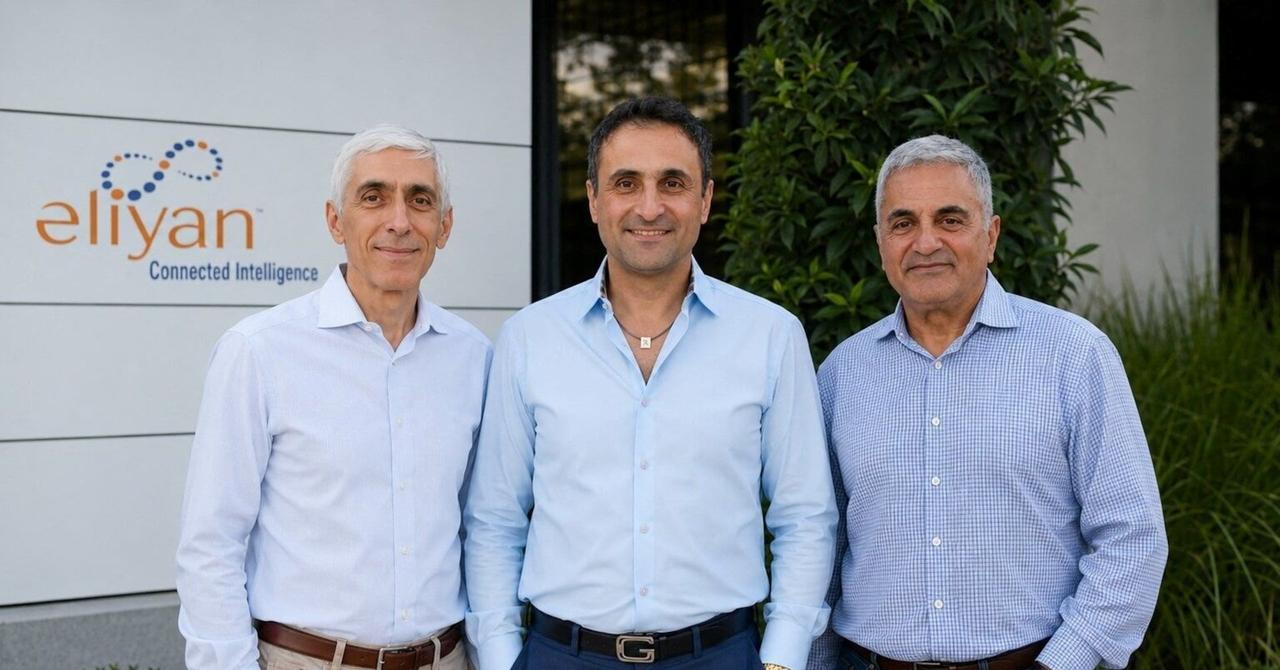
SiFive has secured $400 million in funding at a $3.65 billion valuation to expand its open-source RISC-V chip designs into AI data centers. Led by Atreides Management with participation from Nvidia, the oversubscribed round signals growing demand for alternative microprocessor designs. The company aims to challenge Arm's dominance in hyperscale data centers with customizable CPU solutions.
Google and Intel announced an expanded multi-year collaboration to advance AI infrastructure using Xeon processors and custom infrastructure processing units. The partnership addresses growing CPU demand as companies shift from AI training to deployment, with Google Cloud continuing to use Intel's latest Xeon 6 chips for AI workloads alongside co-developed custom IPUs that offload networking and security tasks.
Amazon revealed its custom chip business generates over $20 billion annually, growing at triple-digit rates. CEO Andy Jassy disclosed in his shareholder letter that AWS AI revenue reached a $15 billion run rate in Q1 2026, while defending the company's $200 billion capital expenditure plan. The tech giant may soon sell its Trainium and Graviton chips directly to third parties.
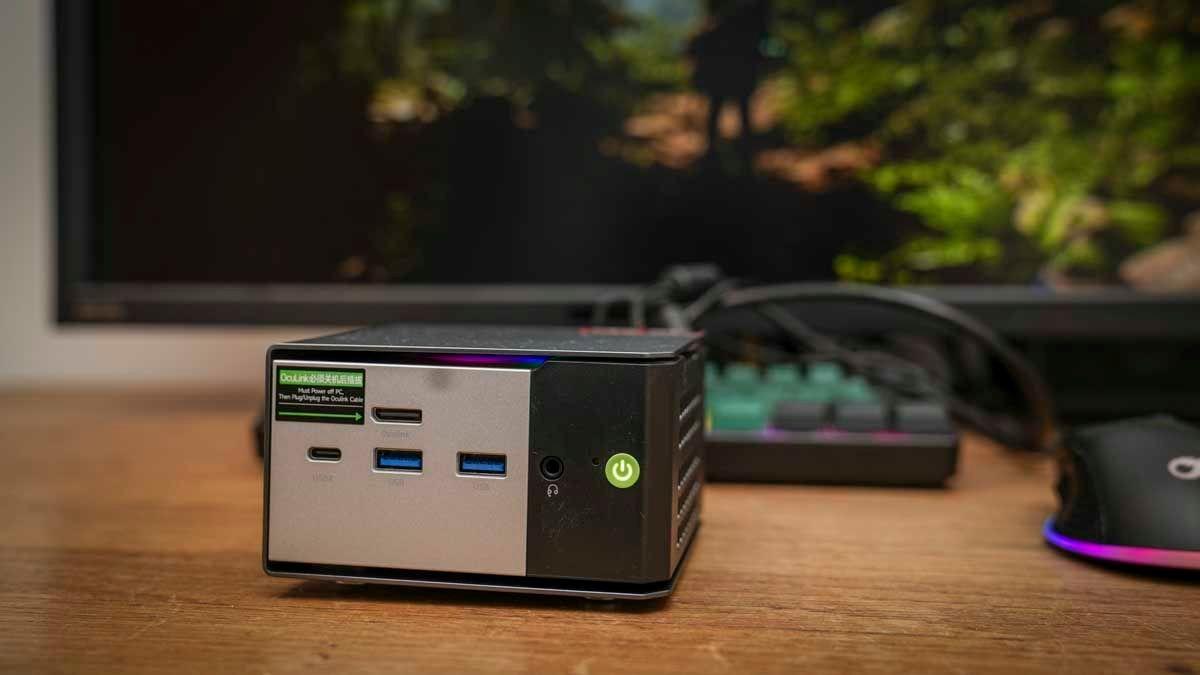
Leaked images from a Chinese reseller platform reveal Nvidia's N1 SoC mounted on an engineering motherboard, featuring 128 GB of LPDDR5X memory and robust power delivery. The chip represents Nvidia's first consumer CPU since 2015 and aims to compete with Apple Silicon in the AI PC market. Industry sources point to a Computex 2026 reveal with launch expected in the second half of the year.
CoreWeave secured a multi-year agreement with Anthropic to supply cloud computing capacity for its Claude AI models, adding the ninth top AI model provider to its customer roster. The deal follows a $21 billion Meta expansion announced just one day earlier, marking CoreWeave's push to diversify beyond Microsoft, which accounted for 67% of its 2025 revenue.
Rene Haas, CEO of chip designer Arm, is set to take on an expanded leadership role overseeing much of SoftBank's international business while keeping his current position. The move aims to accelerate Project Izanagi, SoftBank's ambitious AI chip strategy designed to compete with Nvidia, as billionaire founder Masayoshi Son intensifies his focus on artificial intelligence investments.
Intel SambaNova announced a production-ready heterogeneous architecture that splits AI inference workloads across different hardware types. GPUs handle prefill operations, SambaNova SN50 RDUs manage decode and token generation, while Intel Xeon 6 CPUs orchestrate the system and execute agentic AI applications. The platform launches in the second half of 2026 as an alternative to Nvidia's approach.
Bain Capital's Bridge Data Centers terminated its contract with Megaspeed International at its Malaysian site following a US government investigation into alleged smuggling of restricted Nvidia AI accelerators to China. The data center operator reallocated 68.4 MW of power capacity to Zenlayer, distancing itself from a tenant suspected of spending roughly $2 billion on AI processors for illicit distribution.
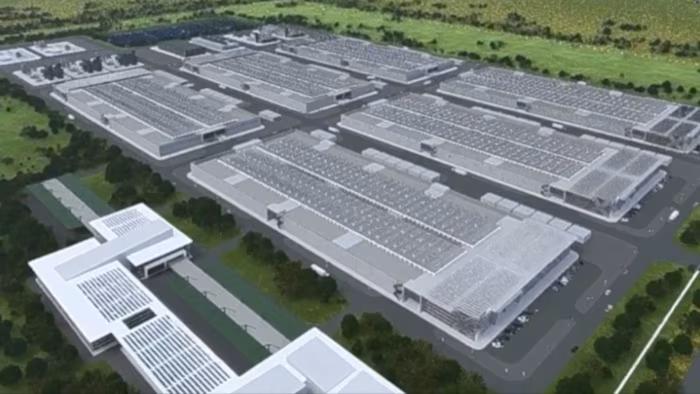
Alibaba and China Telecom unveiled a data center in southern China powered by 10,000 Zhenwu AI chips developed domestically. The facility in Guangdong province supports AI models with hundreds of billions of parameters and marks a shift toward large-scale industrial implementation of homegrown AI infrastructure as U.S. semiconductor restrictions push Chinese firms to develop domestic chip alternatives.
Intel has signed on to help Elon Musk's SpaceX, Tesla, and xAI build the ambitious Terafab semiconductor facility in Texas. The chipmaker will leverage its expertise in designing, fabricating, and packaging high-performance chips to support the project's goal of producing 1 terawatt of computing power annually. But questions remain about the partnership's structure, as no formal SEC filings have been submitted yet.
Uber is expanding its AWS contract to run real-time ride-matching infrastructure on Amazon's Graviton4 processor and piloting AI model training on Trainium3. The move adds Uber to a growing roster of major tech companies choosing Amazon's custom silicon over Nvidia, while simultaneously challenging Google Cloud and Oracle in the cloud computing battle.
Nvidia's December acquisition of SchedMD has raised concerns among AI specialists and supercomputer experts about fair access to Slurm, open-source software that powers 60% of supercomputers worldwide. Engineers fear the chip giant may favor its own hardware over rivals like AMD, though Nvidia insists it will maintain vendor-neutral development.
Anthropic expanded its compute agreement with Google and Broadcom, securing 3.5 gigawatts of tensor processing unit capacity starting in 2027. The deal reflects explosive demand for Claude AI models, with the company's annualized revenue jumping from $9 billion to $30 billion in just three months. More than 1,000 business customers now spend over $1 million annually on Anthropic's services.
Don’t drown in AI news. We cut through the noise - filtering, ranking and summarizing the most important AI news, breakthroughs and research daily. Follow topics that matter to you and stay ahead.