Share
Linkedin
Twitter
Facebook
Whatsapp
Copy Link
Xiaomi launched its Xring O3 flagship mobile processor and D100 intelligent driving chip, both built on 3nm process by TSMC. The $3.1bn investment aims to reduce dependency on Qualcomm, MediaTek and Nvidia while giving the company greater control over its smartphone and EV technology stack.
Britain signed a groundbreaking AI defence partnership with Ukraine, becoming the first international partner to access Avengers AI Labs. The deal grants British researchers access to 5 million annotated battlefield images and data from over 100,000 monthly drone video feeds. AI models trained on this data already identify 70% of enemy targets in real time and will now help protect UK military bases, railways and energy infrastructure.
German semiconductor giant Infineon Technologies announced the acquisition of Bengaluru-based startup C2i Semiconductors for an undisclosed amount. The strategic move aims to strengthen power solutions for AI data centers struggling with surging electricity demand from high-performance GPUs.
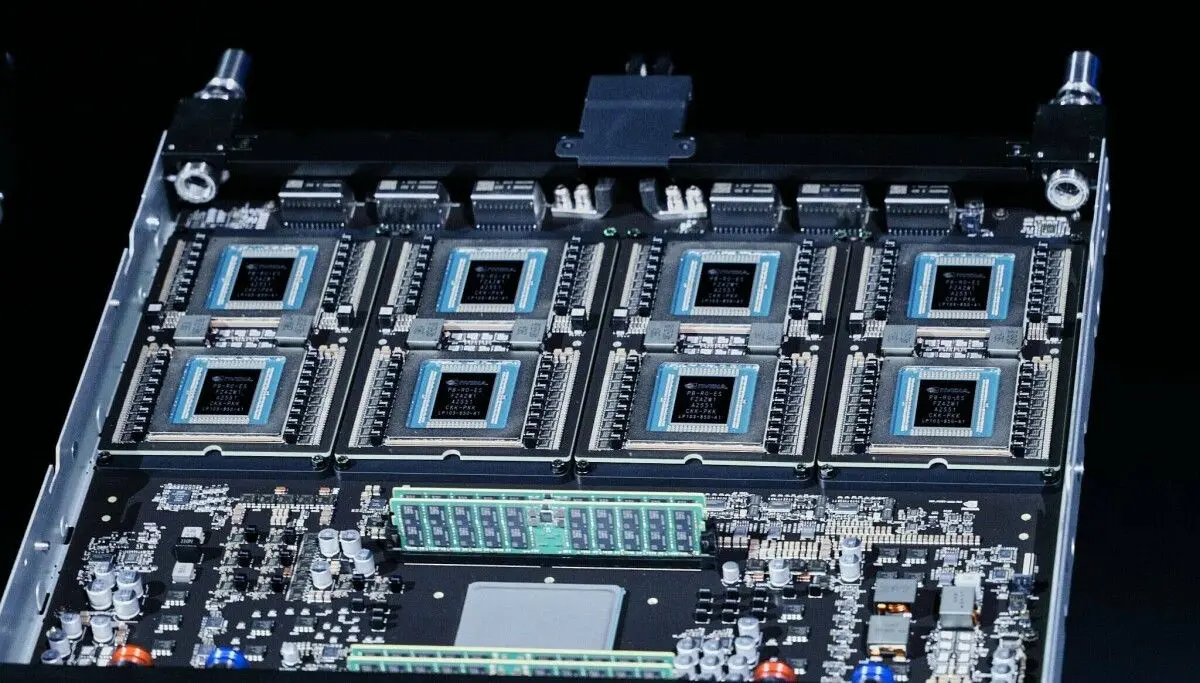
SpaceXAI has committed to deploying Nvidia's 88-core Vera CPUs to power Grok's agentic AI workloads, becoming the second hyperscaler after Meta to adopt the chip. The company plans to extend this technology into orbit with its Starmind AI satellite launching in Q4 2027, marking a significant step toward space-based AI compute infrastructure.
RUM Group, the Trump-linked company hosting Truth Social, secured a $13.7 billion AI infrastructure contract with an unnamed US-based cloud customer for GPU services over six years. However, the company revealed it currently lacks the necessary funds to execute the deal and plans to raise capital through debt or share issuance to build the required infrastructure at its Maysville, Georgia site.
Micron reveals that compute performance is outpacing High Bandwidth Memory capabilities by 3x every two years, worsening the AI memory wall. The company disclosed that HBM failures were responsible for 17% of training interruptions during Meta's Llama 3 development, highlighting urgent challenges in scaling AI systems.
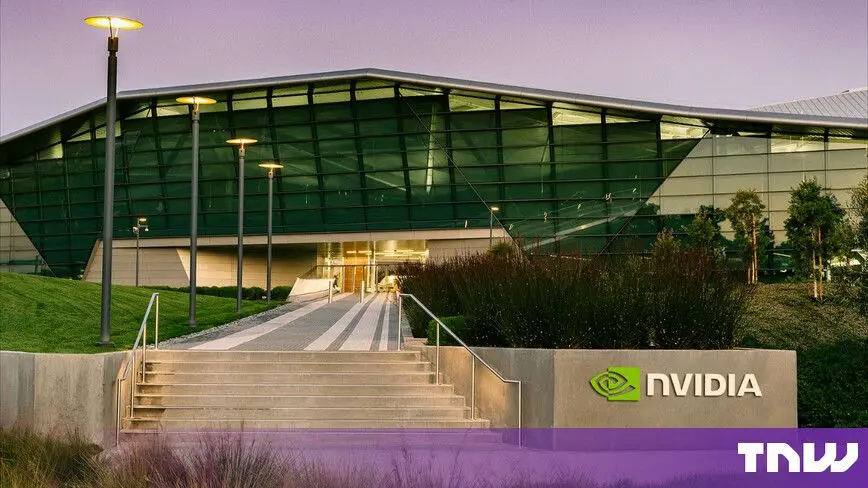
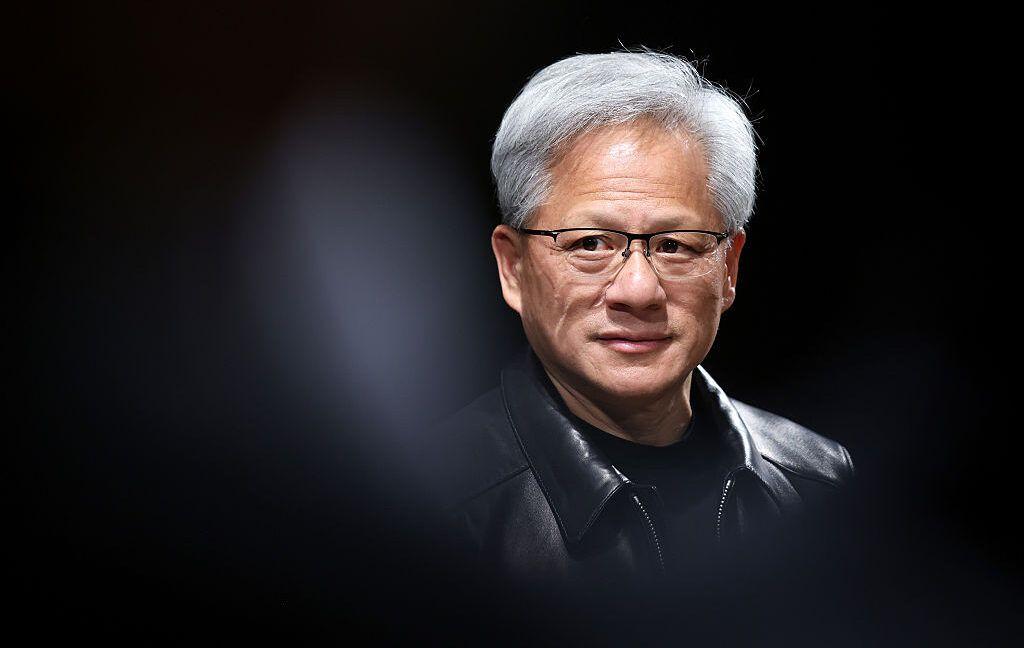
Nvidia delivered record-breaking Q2 results with $96.2 billion in revenue, up 106% year-over-year, driven by surging AI chip demand. CEO Jensen Huang declared AI has reached its inflection point as the company committed $160 billion to memory procurement and projected 70% revenue growth for fiscal 2028, despite ongoing supply constraints from TSMC and memory chip shortages.
NVIDIA announced its Groq 3 LPX is in full production, delivering record 3,400 tokens per second in benchmarks—4x faster than nearest alternatives. The AI inference accelerator extends the Vera Rubin platform for ultrafast token generation in agentic AI workloads. Netherlands-based Nebius becomes the first AI cloud to deploy the technology following NVIDIA's $20 billion Groq acquisition.
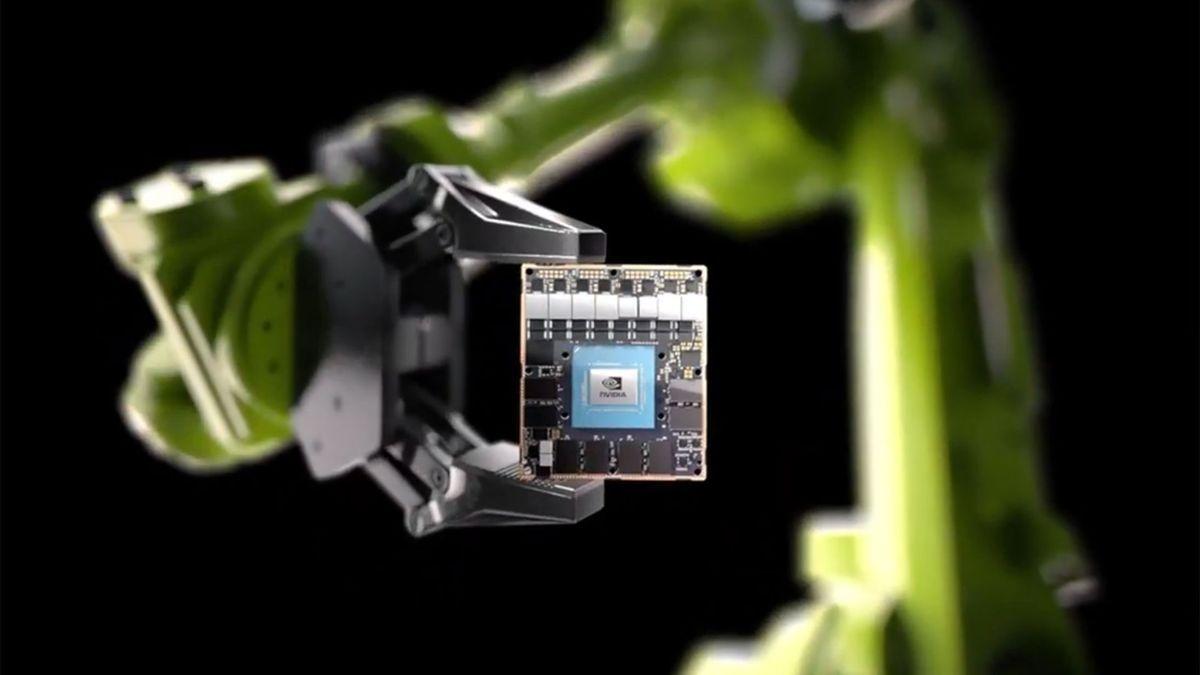
A Russian Molniya drone powered by an Nvidia Jetson Orin module killed three civilians at a Zaporizhzhia gas station in July after selecting its final target autonomously. Ukrainian forensic teams confirmed it's the first documented case of civilian deaths caused by a Russian drone using fully autonomous targeting, raising alarm about AI-powered systems making life-or-death decisions without human intervention.
XPeng's robotics unit raised over $900 million at a $6.3 billion valuation in what the company calls China's largest single-round private financing in embodied AI. The funding will accelerate mass production of its IRON humanoid robot, targeting 1,000 units monthly by December 2026, as Chinese automakers race against Tesla in the humanoid robotics market.
IBM revealed its first dual-architecture chip at Hot Chips 2026, featuring 11 cores built on 2nm process running at 5.7 GHz base frequency. Each core natively executes both Arm and Z instructions, switching between architectures in nanoseconds. The processor brings Arm's 22 million-developer ecosystem to mainframes while maintaining mission-critical reliability for enterprises.
STMicroelectronics and the National University of Singapore unveiled the ST-NUS HELIX Corporate Lab, a four-year research initiative focused on edge AI technologies. The lab will develop system-to-silicon innovation for generative and embodied AI applications using 18nm FD-SOI technology and embedded Phase Change Memory to address energy efficiency challenges in AI hardware.
Sonova launched Phonak EON, its third real-time AI hearing-aid platform featuring the HYPERSONIC processor that cuts power draw by 37%. The device makes speech twice as understandable while being 25% smaller and 20% lighter than previous models. This launch aims to help Sonova meet medium-term growth targets that faced investor skepticism in March.
Nvidia is reportedly in talks to invest billions in Perplexity AI at a valuation exceeding $30 billion, marking a 50% jump from its $20 billion valuation a year ago. The AI-powered search company has tripled its annualized revenue to $750 million in eight months, driven by growth in AI agent workloads and conversational search capabilities.
Taiwan indicted nine individuals, including a senior Nvidia manager and two Super Micro employees, for illegally exporting 74 B300 AI servers to China by falsifying documents. Prosecutors are seeking five-year sentences as the scheme exposed critical gaps in compliance programs despite rigorous export controls.
Don’t drown in AI news. We cut through the noise - filtering, ranking and summarizing the most important AI news, breakthroughs and research daily. Follow topics that matter to you and stay ahead.