Subscribe to our newsletter
Get the latest updates delivered to your inbox every day, and stay up-to-date for free 🧠📈
Share
Linkedin
Twitter
Facebook
Whatsapp
Copy Link
Amazon rolled out Health AI, an artificial intelligence assistant integrated into its One Medical mobile app, offering 24/7 personalized health guidance to subscribers. The tool uses Amazon Bedrock language models to answer health questions, manage medications, and schedule appointments based on medical records. Amazon emphasizes the assistant complements rather than replaces doctors, as tech giants compete in the health tech sector.
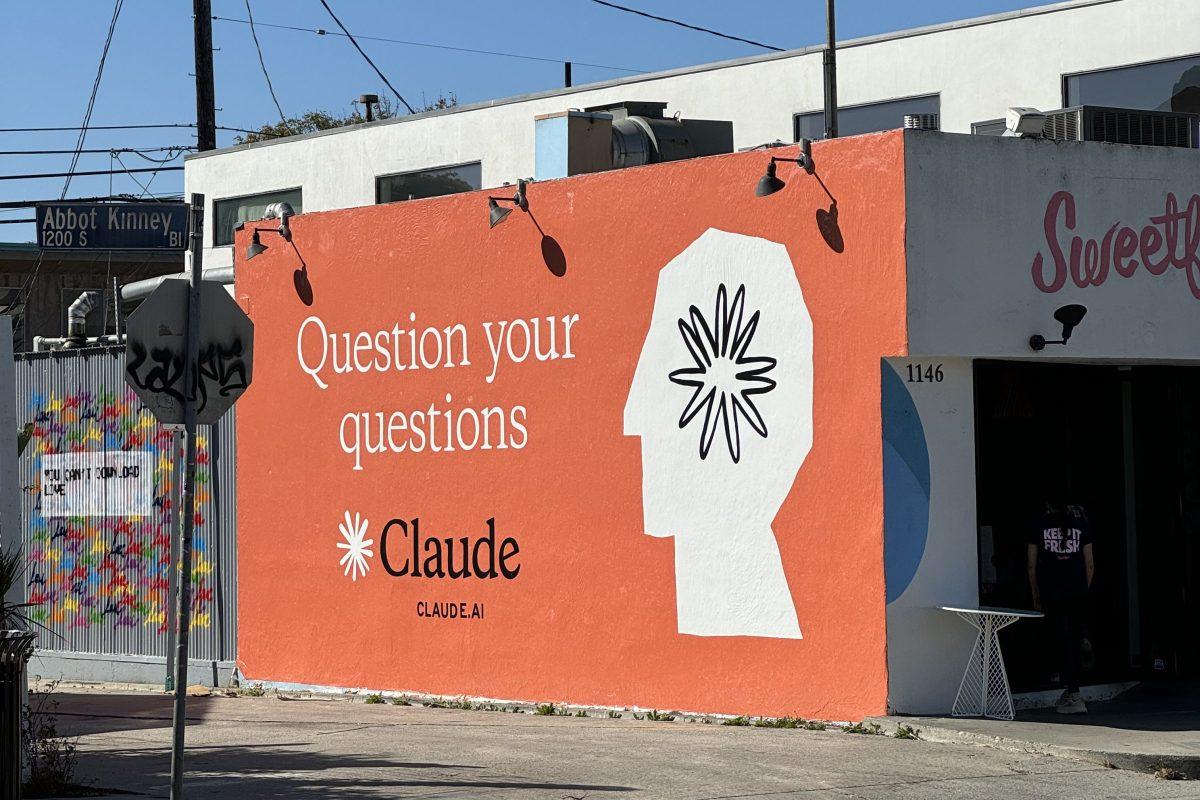
OpenAI and Anthropic revealed at Davos that enterprise customers now represent 40% and 80% of their respective businesses. Both artificial intelligence startups are racing to expand their enterprise footprint, with OpenAI projecting enterprise revenue to reach 50% by year-end as competition intensifies for lucrative business contracts.
Dario Amodei predicts AI models will handle most software engineering tasks within 6-12 months, as engineers at Anthropic already rely on AI-generated code. Ryan Dahl, creator of Node.js, agrees the era of humans writing code is over. Google DeepMind's CEO warns of impacts on junior roles and internships.
Dave Clark, former Amazon Worldwide Consumer CEO, built a custom CRM tool in just one day using vibe coding tools like Claude Code. His LinkedIn post sparked debate about whether AI-powered development tools pose a challenge to the traditional SaaS industry or are better suited for prototyping and internal automation.
OpenAI launched ChatGPT Health, allowing users to connect medical records and fitness apps for AI-driven health advice. But independent testing reveals troubling inaccuracies—one journalist received an F grade for heart health that doctors called baseless. With 230 million people already seeking health guidance from ChatGPT weekly, experts question whether the benefits outweigh the risks of misinformation and data privacy concerns.
Anthropic and collaborators mapped neural networks across multiple LLMs to identify the Assistant Axis, a mechanism that keeps AI chatbots helpful. Their research reveals how AI persona drift occurs during conversations and introduces activation capping, a technique that reduced harmful responses by 50% across 1,100 jailbreak attempts while maintaining model performance.
Dario Amodei stunned the World Economic Forum in Davos by publicly criticizing Nvidia's H200 chip exports to China, comparing the move to nuclear proliferation. The remarks are particularly striking given Nvidia's $10 billion investment in Anthropic and their deep technology partnership announced just two months ago.
Anthropic fixed three security vulnerabilities in its official Git MCP server that researchers say could be chained with other tools to execute malicious code or overwrite files through prompt injection. The flaws, discovered by Cyata, were patched in December 2025 after responsible disclosure in June, with no evidence of active exploitation in the wild.
Developers are using vibe coding with Claude Code to build Apple Watch apps in 12 hours instead of two months, while complete beginners successfully create functional websites in just days. The AI coding revolution promises to democratize programming, but early experiments reveal that technical knowledge remains crucial for navigating the inevitable challenges and chaos that emerge during AI-assisted development.
Venture capital firm Sequoia Capital is preparing a significant investment in Anthropic alongside GIC and Coatue, each contributing $1.5 billion. The funding round aims to raise at least $25 billion at a $350 billion valuation. This marks a shift in venture capital strategy, as Sequoia already backs rival AI startups OpenAI and Elon Musk's xAI, signaling the end of the traditional 'one winner' model in AI investing.
Anthropic has named Irina Ghose, former Microsoft India managing director, to lead its India business as it prepares to open a Bengaluru office. With over 30 years of tech leadership experience, Ghose will drive enterprise AI adoption in India—Anthropic's second-largest market for Claude. The move signals how India is becoming a critical battleground for AI companies, with OpenAI also planning a New Delhi office.
Yoshua Bengio, one of AI's founding figures, says his optimism about humanity's future with AI has risen "by a big margin" after years of warnings about existential threats. His nonprofit LawZero has developed Scientist AI, a technical approach that strips AI systems of goals and hidden agendas, focusing instead on truthful, transparent reasoning to mitigate AI's biggest risks.
Anthropic's Claude Code is transforming how software gets made, allowing users with no programming experience to build fully functional apps in hours. The AI coding tool reached a $1 billion run rate within six months and has tech industry professionals questioning the future of traditional software development as advanced AI capabilities automate tasks that once required teams of developers and weeks of work.
Microsoft has become one of Anthropic's largest customers, spending approximately $500 million annually to integrate Anthropic AI models into its products. The tech giant is incentivizing Azure sales staff to sell Anthropic's AI models with the same quotas as OpenAI, signaling a strategic shift to diversify AI sources and strengthen enterprise offerings amid intense competition.
Researchers at OpenAI, Anthropic, and Google DeepMind are treating large language models less like software and more like alien life forms. With billions of parameters too complex for human comprehension, scientists now use biological analysis methods to trace internal mechanisms and observe model behavior, uncovering unexpected findings about how these AI systems actually work.
Don’t drown in AI news. We cut through the noise - filtering, ranking and summarizing the most important AI news, breakthroughs and research daily. Follow topics that matter to you and stay ahead.