Share
Linkedin
Twitter
Facebook
Whatsapp
Copy Link
OpenAI has put its flagship Stargate UK data center project on indefinite hold, citing high energy costs and an unfavorable regulatory environment. The decision deals a significant blow to the UK government's AI ambitions and comes despite the company completing a record $122 billion fundraising last month. The project was expected to bring hundreds of millions in investment to Britain's AI infrastructure.
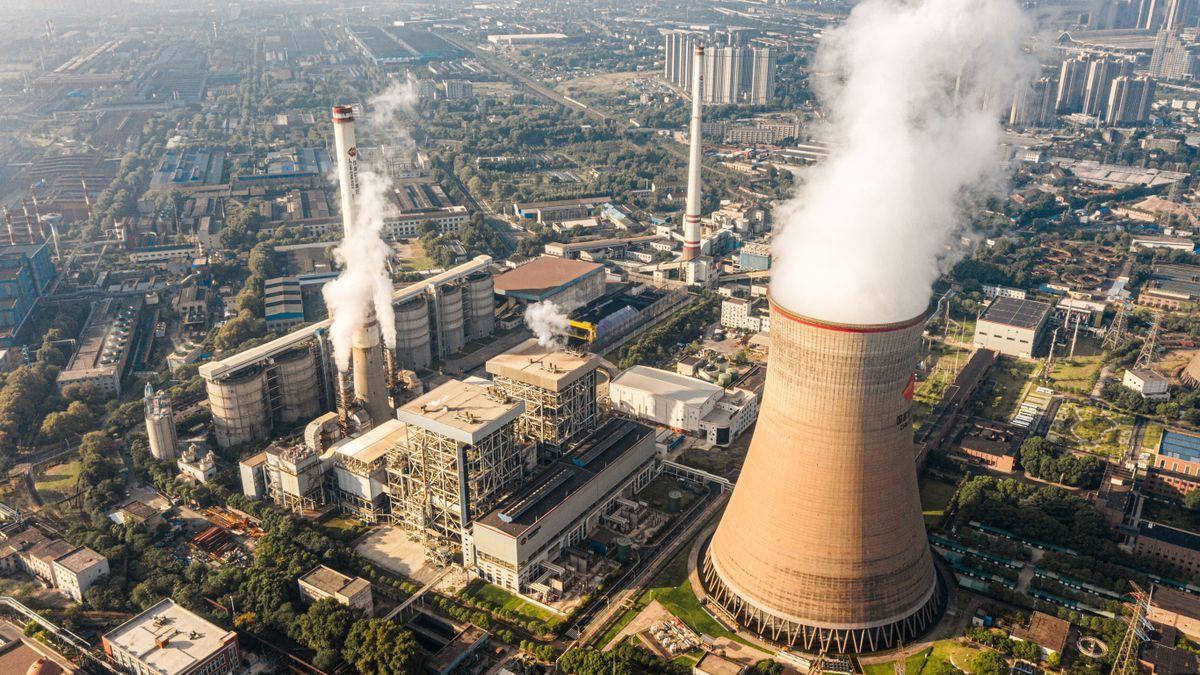
Nevada's largest utility needs three times the electricity required to power Las Vegas just to handle proposed data centers—and it probably can't do that without fossil fuels. This threatens the state's clean energy targets requiring 50% renewable power by 2030. Utilities across the country face similar challenges as the exploding demand for powering artificial intelligence clashes with long-term plans to move away from fossil fuels.
Indianapolis City-County Council member Ron Gibson's home was targeted with 13 gunshots and a threatening note after he supported a $500 million data center project. The violent incident marks the first reported attack in growing nationwide backlash against AI infrastructure, as communities raise concerns about energy consumption, water supply issues, and environmental impact.
TSMC controls over 90% of advanced semiconductor manufacturing, but Taiwan's reliance on liquefied natural gas imports through the Strait of Hormuz creates a critical vulnerability. With LNG stockpiles lasting only days, the Middle East crisis threatens to halt chip production that powers Nvidia, AMD, and the entire AI industry.
OpenAI released a 13-page policy framework outlining how society should adapt to superintelligent AI systems. The proposals include a public wealth fund giving citizens stakes in AI companies, shifting tax burden from labor to capital with potential robot taxes, and incentivizing four-day work weeks. The document arrives as governments struggle with AI's economic impact and job displacement concerns.
MARA Holdings has laid off 15% of its workforce following a $1.1 billion Bitcoin sale, marking a strategic shift from pure-play mining to AI and energy infrastructure. The move reflects mounting pressure across the cryptocurrency mining sector, where companies are pivoting to high-performance computing amid declining profitability post-halving.
Nearly half of planned US AI data centers for 2026 face delays or cancellation as critical power infrastructure shortages expose America's dependence on Chinese electrical components. Despite tech giants committing over $650 billion this year, tariffs and supply chain constraints are crippling the buildout, while growing community opposition adds another layer of resistance to Trump's AI ambitions.
Microsoft is negotiating an exclusive power supply agreement with Chevron and Engine No. 1 for a massive $7 billion natural gas-fired power plant in West Texas. The facility would generate 2,500 megawatts initially, enough to power a large data center campus supporting AI services like ChatGPT and Copilot, as tech giants race to secure reliable electricity amid escalating energy demands.
AI infrastructure firm Nebius announced plans to build a 310-megawatt data center in Lappeenranta, Finland, valued at over $10 billion. The facility will be one of Europe's largest AI factories when operational in 2027, as the region accelerates efforts to develop the compute infrastructure needed to compete in the global AI race.
Meta has committed to funding 10 natural gas power plants in Louisiana to supply its massive Hyperion AI data center with 7.5 gigawatts of electricity—enough to power South Dakota. The $27 billion facility will draw on fossil fuel infrastructure despite the company's climate pledges, sparking concerns about methane emissions and rising electricity costs.
Major tech companies are increasingly turning to natural gas to power AI infrastructure, undermining their carbon neutrality pledges. Google's emissions jumped 50%, while Microsoft and Meta are building on-site gas plants to meet surging power demands. The shift highlights a stark tension between AI ambitions and environmental goals.
Oilfield services giant SLB is deepening its collaboration with Nvidia to develop artificial intelligence infrastructure and models for the energy sector. The expanded partnership will create an AI Factory for Energy platform and modular data centers, helping oil and gas producers process massive volumes of operational data while cutting costs and reducing emissions.
Microsoft and Nvidia have launched an AI partnership to fast-track nuclear power plants needed for AI data centers. Using generative AI for permitting and digital twin simulations, the collaboration targets years-long licensing processes that cost hundreds of millions. Aalo Atomics already cut its permitting workload by 92%, saving an estimated $80 million annually, while the Department of Energy converted safety documents in one day versus the typical four to six weeks.
Microsoft is taking over a massive data center project in Abilene, Texas that OpenAI declined to pursue. The 900-megawatt facility will sit next to OpenAI and Oracle's Stargate campus, marking a shift in the relationship between Microsoft and its former exclusive cloud partner as both companies increasingly pursue AI development separately.
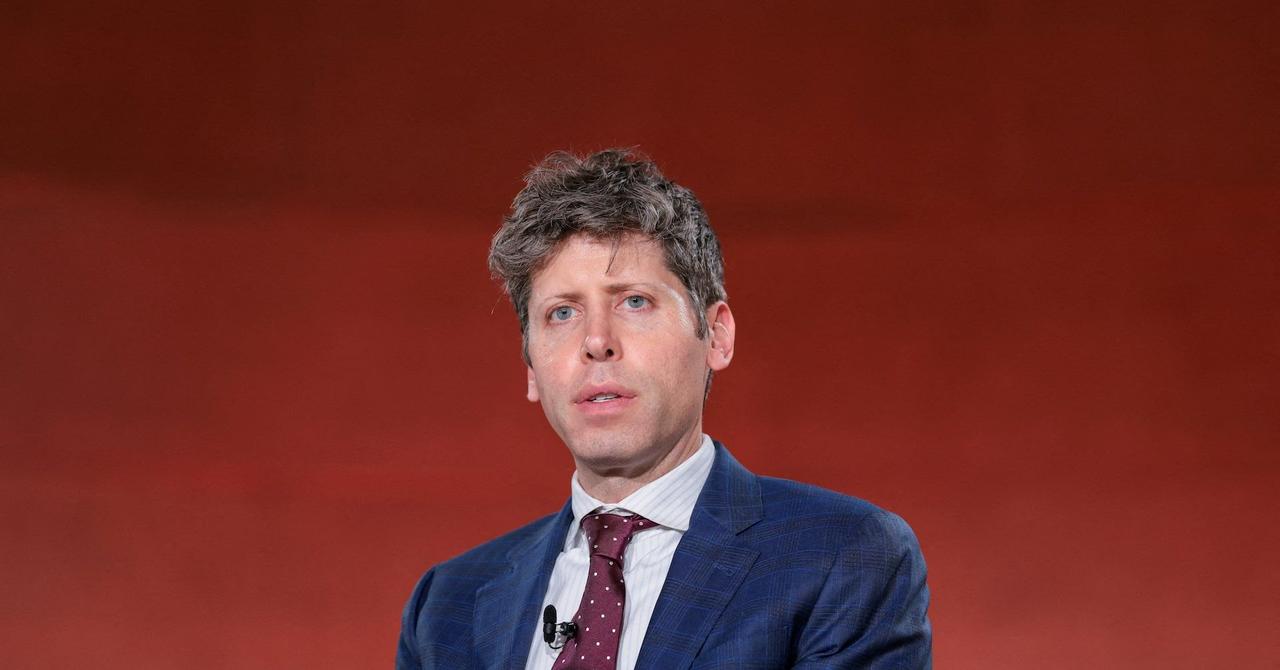
OpenAI is in advanced talks with Helion Energy to secure fusion power, potentially accessing 5 gigawatts by 2030 and scaling to 50 gigawatts by 2035. Sam Altman has stepped down from Helion's board to avoid conflicts as the companies explore working together at significant scale, highlighting the tech industry's race to lock in energy for AI's growing power demands.
Don’t drown in AI news. We cut through the noise - filtering, ranking and summarizing the most important AI news, breakthroughs and research daily. Follow topics that matter to you and stay ahead.