Share
Linkedin
Twitter
Facebook
Whatsapp
Copy Link
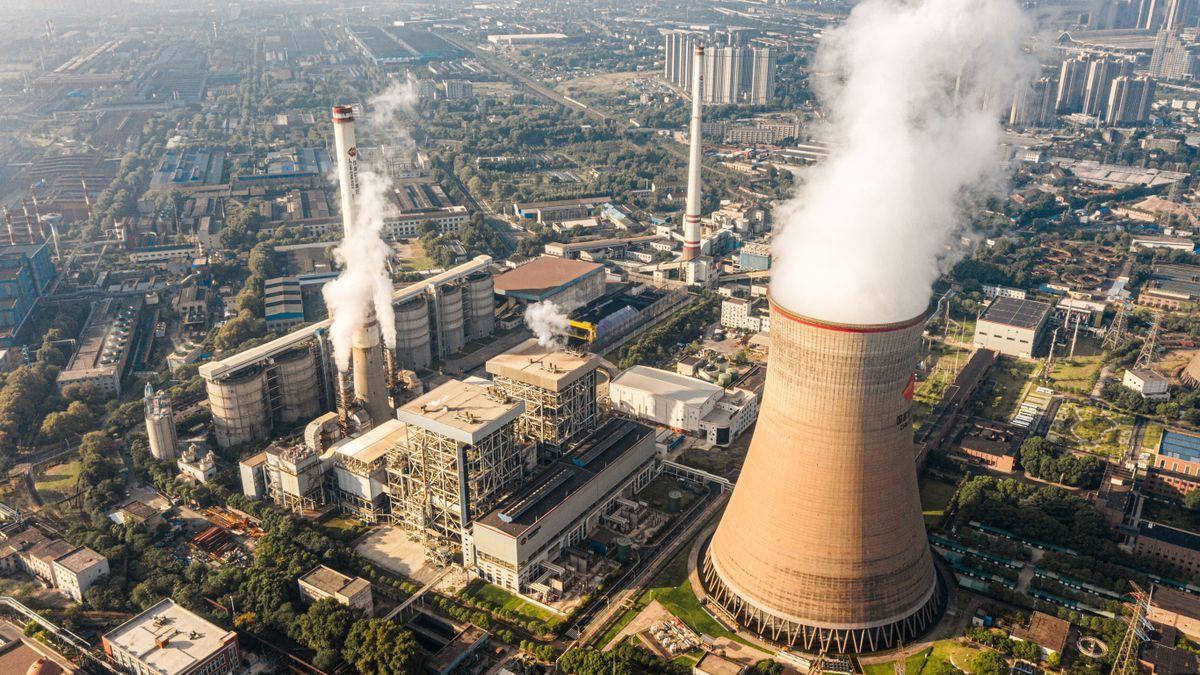
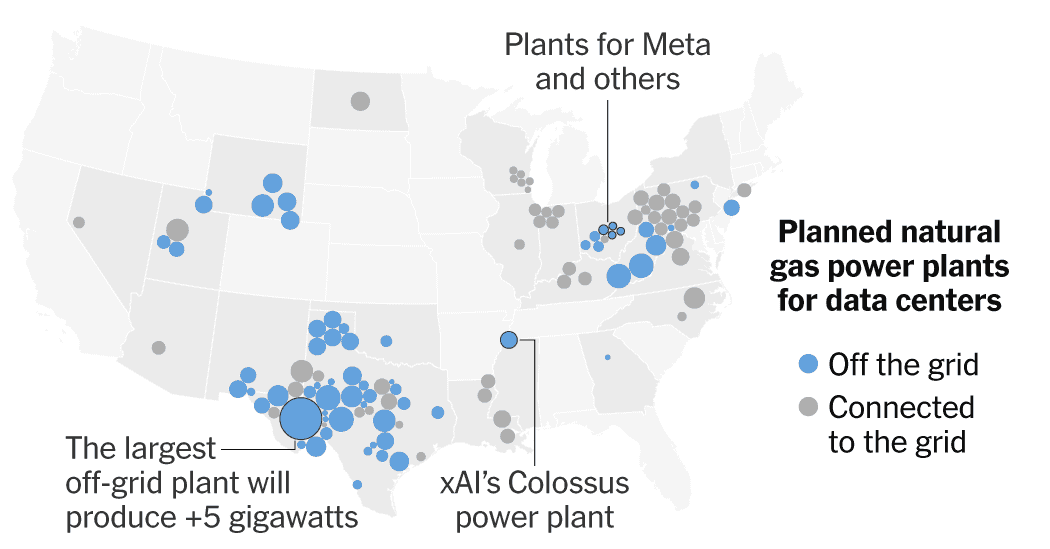
Major tech companies are increasingly turning to natural gas to power AI infrastructure, undermining their carbon neutrality pledges. Google's emissions jumped 50%, while Microsoft and Meta are building on-site gas plants to meet surging power demands. The shift highlights a stark tension between AI ambitions and environmental goals.
Oilfield services giant SLB is deepening its collaboration with Nvidia to develop artificial intelligence infrastructure and models for the energy sector. The expanded partnership will create an AI Factory for Energy platform and modular data centers, helping oil and gas producers process massive volumes of operational data while cutting costs and reducing emissions.
Microsoft and Nvidia have launched an AI partnership to fast-track nuclear power plants needed for AI data centers. Using generative AI for permitting and digital twin simulations, the collaboration targets years-long licensing processes that cost hundreds of millions. Aalo Atomics already cut its permitting workload by 92%, saving an estimated $80 million annually, while the Department of Energy converted safety documents in one day versus the typical four to six weeks.
Microsoft is taking over a massive data center project in Abilene, Texas that OpenAI declined to pursue. The 900-megawatt facility will sit next to OpenAI and Oracle's Stargate campus, marking a shift in the relationship between Microsoft and its former exclusive cloud partner as both companies increasingly pursue AI development separately.
OpenAI is in advanced talks with Helion Energy to secure fusion power, potentially accessing 5 gigawatts by 2030 and scaling to 50 gigawatts by 2035. Sam Altman has stepped down from Helion's board to avoid conflicts as the companies explore working together at significant scale, highlighting the tech industry's race to lock in energy for AI's growing power demands.
Nvidia announced a partnership with six major U.S. energy companies to develop a new class of AI factories designed to operate as flexible energy assets. The facilities will use Nvidia's Vera Rubin DSX architecture and can adjust computing workloads based on power grid conditions, potentially unlocking up to 100 gigawatts of underutilized capacity across the U.S. power system.
German industrial giant Siemens reports customers holding back on investments as the Iran war drives energy prices up 56% and disrupts global shipping. Meanwhile, CEO Roland Busch announces expanded industrial AI partnership with Alibaba at Beijing Tech Summit, revealing Siemens developers prefer Chinese open-source AI models for training due to cheaper token costs.
The Australian government unveiled a national interest framework demanding that AI and data centre projects fund renewable energy, use water responsibly, and create local jobs in exchange for fast-tracked approvals. Projects failing to meet these standards face delays, marking a shift in treating data centres as critical infrastructure rather than simple tech investments.
As the war in Iran disrupts global energy supplies and sends oil prices soaring past $119 a barrel, traders are increasingly relying on artificial intelligence to make sense of unprecedented market volatility. Investment professionals report AI tools like Claude and ChatGPT are cutting research time by up to 80%, enabling rapid stress-testing of scenarios and historical analysis that would previously take days.
SoftBank's SB Energy is transforming a Cold War-era uranium enrichment facility in Piketon, Ohio into what could become the world's largest AI data center. The 10-gigawatt facility will be powered by $33 billion in new natural gas generation as part of a US-Japan trade deal, with $4.2 billion committed to grid upgrades that officials say won't raise consumer electricity rates.
U.S. data center development is slowing as power grid capacity reaches its limits, forcing tech companies to adopt alternative power solutions. By the end of 2025, 39% of gas power capacity in development was designed to serve data centers on-site, up from just 5% in 2024. The shift highlights growing tensions between AI's massive energy requirements and aging electrical infrastructure.
The UK is investing £45 million in Sunrise, an AI supercomputer dedicated to fusion research at the UK Atomic Energy Authority's Culham campus. Set to launch in June, the 1.4MW system will model plasma behavior and test nuclear fusion reactor designs virtually before costly physical experiments.
San Francisco-based Aikido Technologies is developing a radical solution to AI's energy crisis by integrating AI data centers directly into floating offshore wind turbines. The AO60DC platform will house servers inside turbine legs, powered by wind and cooled by seawater. A prototype is planned for Norway's North Sea by 2026.
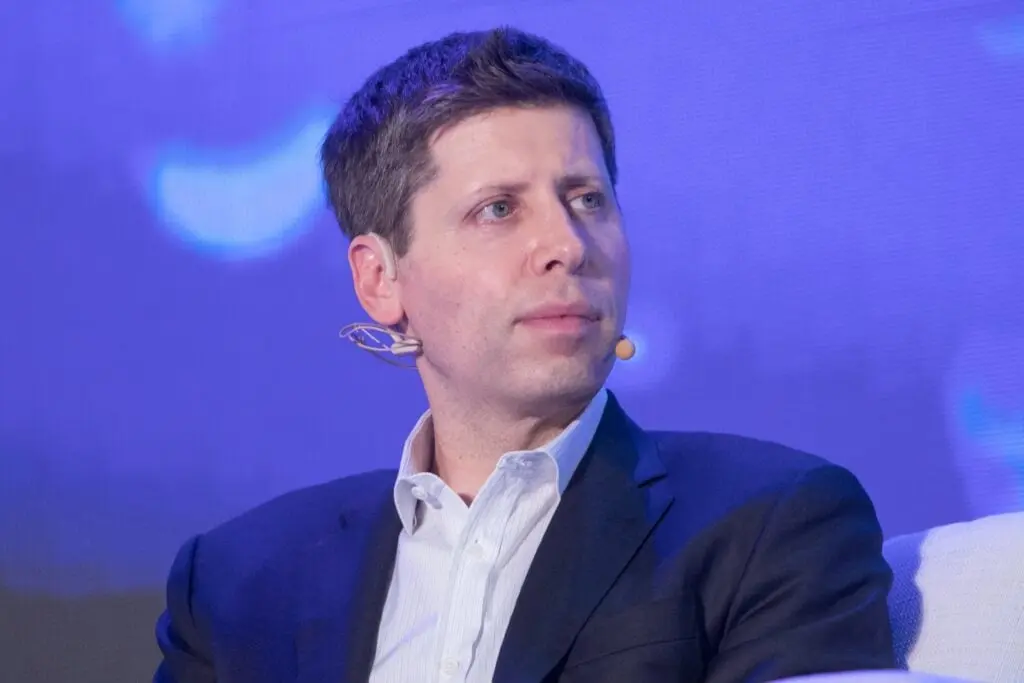
OpenAI CEO Sam Altman outlined his vision for artificial intelligence becoming a utility like electricity or water at BlackRock's U.S. Infrastructure Summit. Users would pay based on computing power consumed, he explained. But his comments raise concerns about energy costs, infrastructure financing, and potential government subsidies for AI expansion.
OpenAI CEO Sam Altman says AI is facing growing public skepticism in the United States, with data centers blamed for electricity price hikes and companies citing AI for layoffs whether or not it's truly responsible. Recent polls show 57% of voters believe AI's risks outweigh its benefits, raising concerns about America's competitive edge in global AI development.
Don’t drown in AI news. We cut through the noise - filtering, ranking and summarizing the most important AI news, breakthroughs and research daily. Follow topics that matter to you and stay ahead.