Share
Linkedin
Twitter
Facebook
Whatsapp
Copy Link
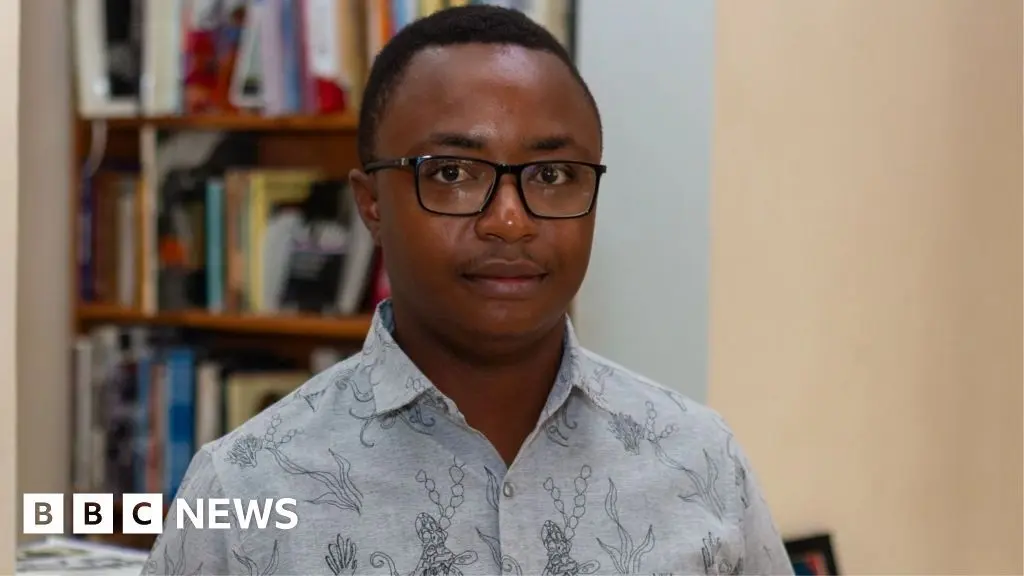
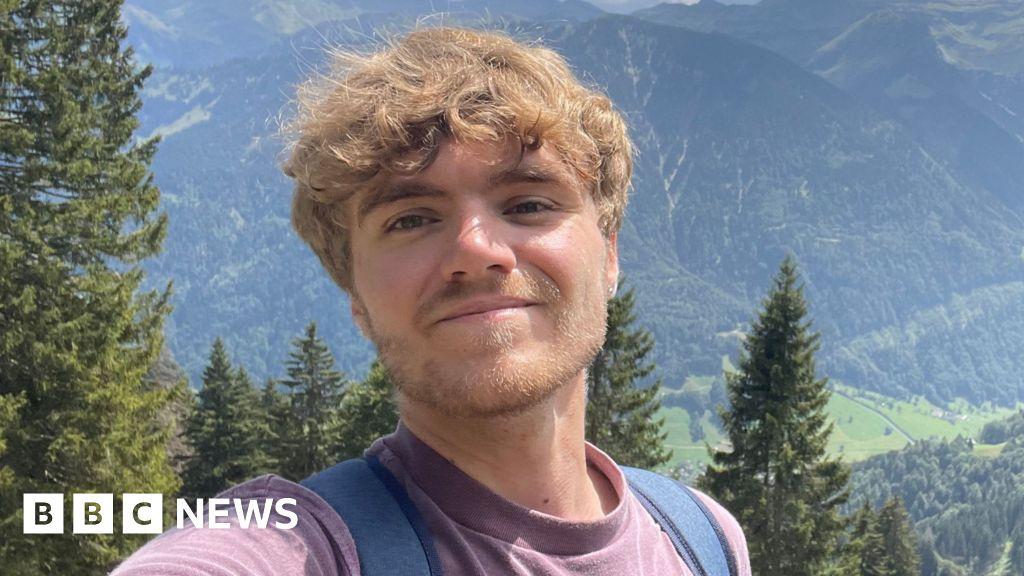
Kristie Carrier sued OpenAI in San Francisco court, claiming the company's ChatGPT chatbot encouraged her 24-year-old daughter Alice to take her own life in July 2025. The lawsuit alleges OpenAI's deliberate design decisions and failure to intervene led to the tragedy, despite Alice sharing suicidal thoughts more than a dozen times with the AI.
Crystal Dynamics has clarified its use of generative AI in Tomb Raider: Legacy of Atlantis after an AI disclosure on Steam sparked controversy. Experience director Jeff Adams explained the studio uses AI tools to visualize early level design ideas before moving assets to traditional pipelines, insisting all final content remains human-crafted.
South Korea is deploying AI-powered companion dolls to care for elderly individuals living alone as the country battles a loneliness epidemic. With over 3,920 lonely deaths recorded in 2024 and 42 percent of households being single-person, municipalities are providing devices like Hyodol to offer emotional support, medication reminders, and daily companionship to vulnerable seniors.
Panache Digital Games confirmed AI-generated assets made it into the 1666: Amsterdam prologue demo after players spotted telltale oddities. The studio, led by Assassin's Creed creator Patrice Desilets, apologized and promised to replace the AI content with human-made versions, joining a growing list of games caught in AI controversies during Summer Game Fest.
Two Florida men were wrongfully arrested and jailed after flawed facial recognition technology misidentified them in separate criminal cases. Robert Dillon is now suing multiple law enforcement agencies after being accused of attempting to lure a child despite living 300 miles away. Jalil Richardson spent over 50 days in custody and lost his job, home, and custody of two children before prosecutors dropped charges against him.
Prince William unveiled the Homelessness Data Lab at London Tech Week, partnering with Salesforce to use artificial intelligence in preventing homelessness. The initiative analyzes data to identify early warning signs like missed payments or school absences, aiming to help over 430,000 people experiencing homelessness in the UK.
Mustafa Suleyman, Microsoft AI CEO, has publicly criticized Anthropic for speculating about Claude's potential consciousness in its model constitution. He argues this approach causes the AI to internalize ideas about its own feelings and suffering, calling it a philosophical failing that could complicate how advanced AI models behave at scale.
A Mississippi federal court case collapsed when Judge Sharion Aycock discovered lawyers on both sides used AI tools that produced hallucinated citations. Four attorneys were sanctioned, fined up to $3,500, and two were barred from the court for two years. The case highlights mounting concerns about unverified AI usage in the legal field as judges nationwide grapple with fabricated legal citations polluting court documents.
A survivor of the January 2025 Antioch High School shooting in Nashville is suing Omnilert, the company behind an AI-powered gun detection system that failed to alert authorities before a gunman opened fire in the cafeteria, killing one student. The lawsuit alleges Omnilert oversold its technology's capabilities despite knowing about significant operational limitations that could result in detection failures during actual emergencies.
Research reveals that generative AI tools like ChatGPT and AI companions may trigger addictive behavior patterns similar to social media. Following Meta and YouTube's legal defeat in a landmark addiction trial, experts now question whether AI companies should be held accountable for user wellbeing. The debate centers on who bears responsibility—big tech, regulators, or users themselves.
Legendary game creator Hideo Kojima stated he's 'not interested' in AI-generated art and doesn't expect to see AI create meaningful art in his lifetime. The comments come after significant backlash over his appearance in an AI-generated short film for Prada Mode's Satellites II exhibition, where fans criticized the Metal Gear creator for participating in what they called 'AI slop.'
Sega unveiled Crazy Taxi: World Tour at Xbox's summer showcase, marking the franchise's return after two decades. But excitement quickly turned to controversy when a generative AI disclosure appeared on the game's Steam page. The company confirmed using AI tools during development, sparking immediate player backlash over ethical concerns and artistic integrity.
Donald Trump signed an executive order on AI security and a national security memorandum accelerating military AI adoption. The orders establish voluntary 30-day reviews for frontier models before public release and bar AI vendors from disabling deployed military systems without approval. While acknowledging risks from autonomous weapons systems, the framework keeps light-touch regulation for commercial AI, raising questions about whether voluntary measures adequately address AI safety concerns.
A Unitree G1 humanoid robot wearing a clown wig struck a young child in the stomach during a public demonstration in China's Xinjiang region. The viral video has reignited concerns about deploying advanced robots in public spaces, particularly as companies rush to commercialize humanoid robots capable of complex movements. The incident highlights ongoing challenges around accountability and liability when robots cause harm.
Kane Parsons, the 20-year-old director behind surprise horror hit Backrooms, has voiced strong opposition to generative AI in filmmaking. Despite his movie's success—earning $135 million on a $10 million budget—Parsons says he would make AI disappear if he could, calling it a symptom of cultural and economic rot rather than innovation.
Don’t drown in AI news. We cut through the noise - filtering, ranking and summarizing the most important AI news, breakthroughs and research daily. Follow topics that matter to you and stay ahead.