Share
Linkedin
Twitter
Facebook
Whatsapp
Copy Link
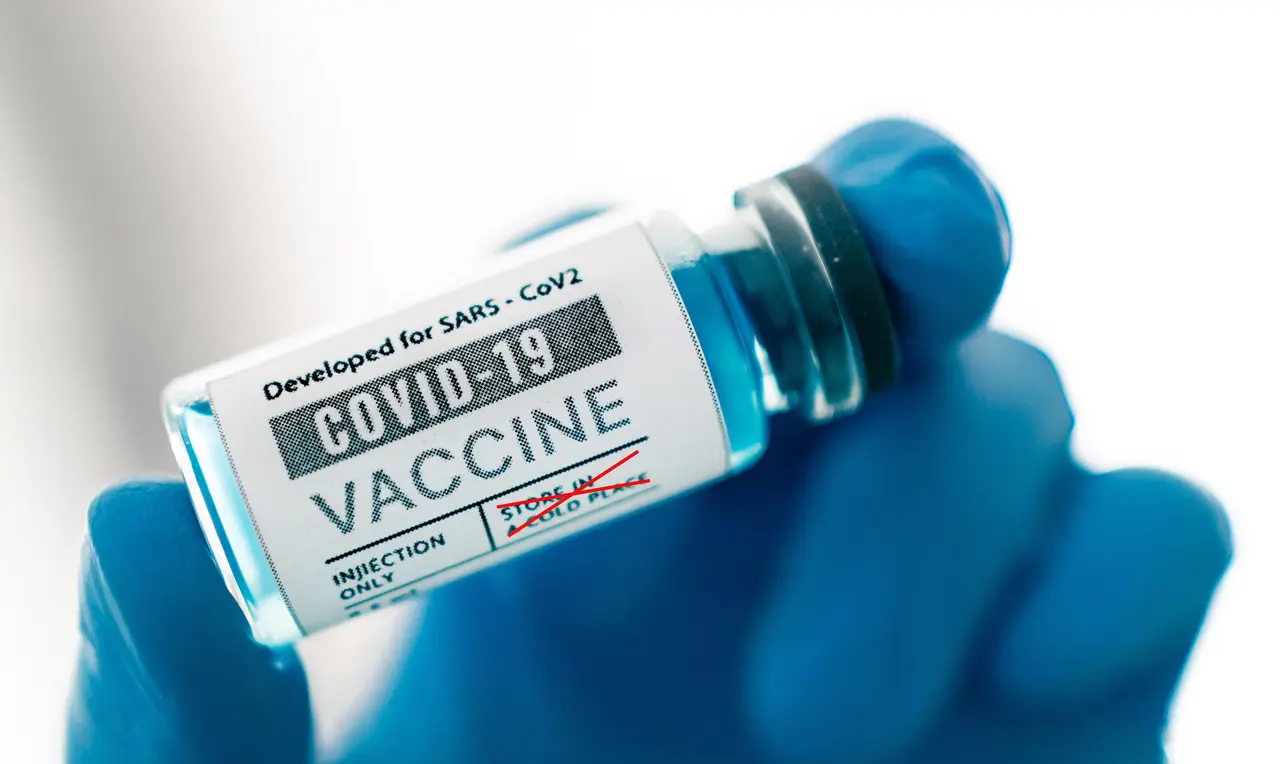
Researchers use AI to eliminate cold storage for mRNA vaccines, enabling room-temperature stability for up to a year and cutting costs by 86%. Separately, AI models trained on ECG readings detect heart transplant rejection with 100% accuracy, eliminating unnecessary biopsies.
Life sciences company Danaher announced plans to launch its first AI-powered autonomous lab in early 2027, promising to accelerate molecule discovery by up to 8 times. The facility at Abcam will combine AI, robotics, and technologies from multiple Danaher operating companies to develop custom antibodies and molecular tools through a continuous design-make-test-learn cycle.
Bridge Neurotech launched with $13.5 million in funding to develop a non-invasive brain-computer interface powered by ultrasound technology. Founded by Will Biederman, who created the chip Neuralink licensed for its first implants, the company partners with Butterfly Network and has begun enrolling volunteers for its first human study in Redwood City, California.
The University of Alicante and Sant Joan d'Alacant University Hospital deployed MEL-IA, an AI system that automates classification of skin lesions across five major types. Trained on over 15,000 dermatoscopic images, the system achieved 86% overall accuracy and processed 980 dermatological studies with response times under one second in live hospital settings.
Two studies presented at ACM CSCW 2026 expose how social media platforms communicate vaguely about youth safety features while AI chatbots fail to match human support for Alzheimer's caregivers. The research analyzed over 350 platform communications and 85 caregiver interactions, revealing accountability gaps that leave vulnerable users at risk.
Utah launched a groundbreaking pilot program allowing AI to examine patients and prescribe acne medication autonomously. Nolla Health's app uses facial scans to generate acne severity scores and issue prescriptions for mild-to-moderate cases at $4.99/month, with gradually reducing physician oversight over three phases.
The UK government is actively seeking British alternatives to Palantir as ministers consider breaking the AI firm's £330mn NHS contract in March 2027. The move reflects Andy Burnham's buy British agenda and growing concerns over data sovereignty, ethical risks, and reliance on foreign tech giants in critical public services.
Roswell Park Comprehensive Cancer Center and Generate Biomedicines have dosed the first patient in a clinical trial evaluating GB-5267, an AI-designed IL-18 armored CAR T-cell therapy targeting MUC16 in recurrent ovarian cancer. The treatment aims to overcome immune suppression without requiring chemotherapy-based lymphodepletion.
Researchers at Sylvester Comprehensive Cancer Center have developed Precision AI for Survivorship and Supportive Care, a framework that personalizes evidence-based support for cancer survivors managing post-treatment challenges. Built on data from over 37,000 oncology patients, the AI-enabled platform My Wellness Support uses machine-learning models to identify risk patterns and deliver tailored symptom-management strategies between clinic visits.
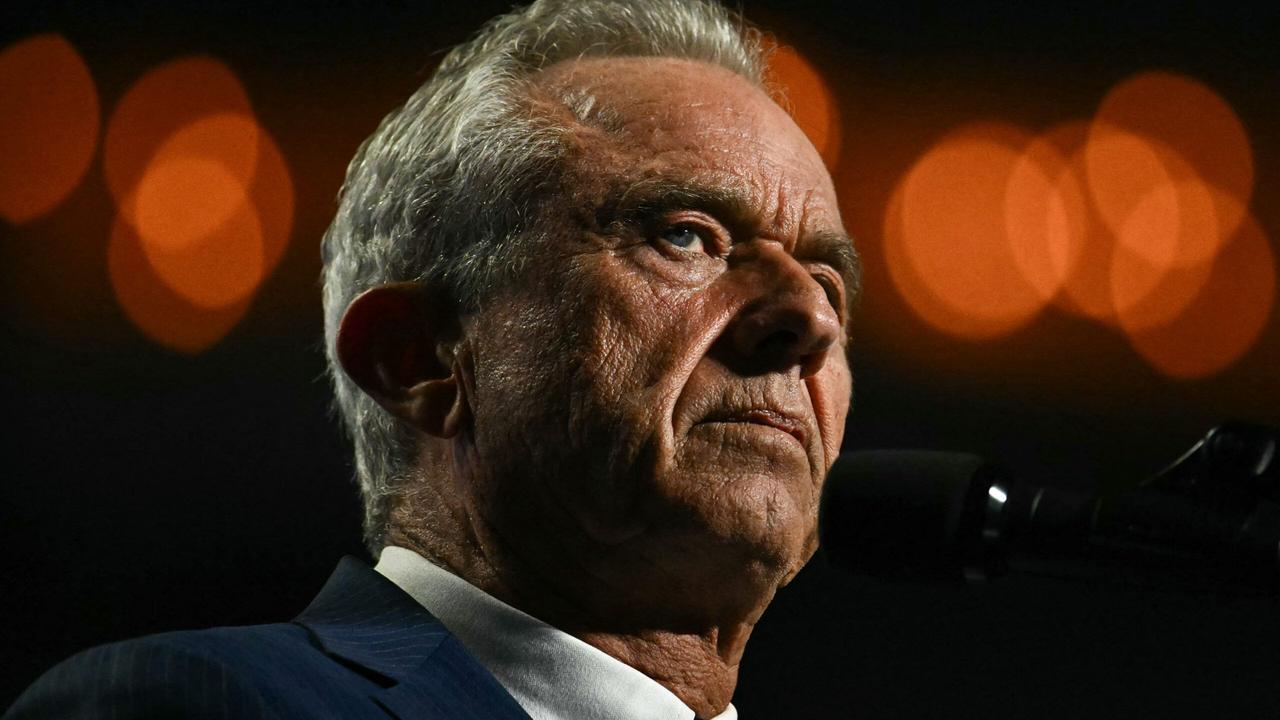
At a Make America Healthy Again summit sponsored by OpenAI and Anthropic, Health Secretary Robert F. Kennedy Jr. declared artificial intelligence superior to physicians and capable of freeing Americans from "medical tyranny." But when his specific claims about masks, vaccines, and social distancing were tested against ChatGPT and Gemini, the AI tools contradicted him—aligning instead with expert medical consensus.
EliseAI, the AI automation startup serving housing and healthcare sectors, raised $350 million at a $4 billion valuation—double its worth from 13 months ago. Co-led by Andreessen Horowitz and Bessemer Venture Partners, the funding round marks the company's rapid expansion in automating administrative workflows for landlords and health systems across North America.
AI is transforming cybersecurity by enabling threat actors to launch sophisticated attacks in minutes instead of days. Microsoft's 2026 report reveals attackers currently hold the advantage as vulnerability discovery outpaces remediation. Small hospitals, banks, and nonprofits face mounting risks while lacking resources for AI-powered defenses available only to major corporations.
MIT researchers have developed heat-resistant RNA vaccine formulations using an AI algorithm that can remain stable at room temperature for up to a year. The breakthrough addresses a major distribution challenge by eliminating the need for ultracold storage, potentially enabling wider vaccine access globally.
DataMeds AI and Tollo Health have launched the Health Lives Here mobile application in partnership with NFL Alumni Health. The app integrates telemedicine services, pharmacy services, and an AI health coach, initially targeting GLP-1 medication users with plans to expand to Long COVID and cancer patients by 2026.
Ateneo de Manila University researchers found AI-assisted chest radiograph interpretation costs Php 877 per person versus Php 1,142 for manual X-ray interpretation in rural health units. The study highlights how AI tuberculosis screening could extend expert-level TB screening to underserved communities where 739,000 Filipinos developed TB in 2024.
Don’t drown in AI news. We cut through the noise - filtering, ranking and summarizing the most important AI news, breakthroughs and research daily. Follow topics that matter to you and stay ahead.