Share
Linkedin
Twitter
Facebook
Whatsapp
Copy Link
Metal Gear Solid creator Hideo Kojima expressed concerns about NVIDIA's DLSS 5 technology and AI upscaling after seeing it applied to Death Stranding 2. Speaking on his KOJI10 podcast, he stated that while AI can enhance images, it cannot grasp artistic choices behind lighting and visual decisions, making him uncomfortable with automated changes to creative work.
Capcom revealed its REX Project to transform RE Engine into an AI-generation game engine at Capcom Open Conference RE: 2026. Programmer Satoshi Ishida outlined six AI-powered tools to streamline game development processes for over 2,000 developers while maintaining that human creativity remains central to content creation.
Companies rush to deploy AI agents and automation tools, but research shows most organizations fail to capture real value. The gap between AI leaders and laggards isn't about technology—it's about strategy, workflow redesign, and human upskilling. Leaders like ServiceNow and Microsoft reveal what separates successful AI adoption from expensive experiments.
Research from UMass Amherst reveals knowledge workers who intentionally use generative AI to challenge their ideas significantly improve performance. A study of 45 professionals shows that creating friction with AI combats cognitive offloading and enhances critical thinking. The approach helps scientists, lawyers, and business leaders avoid surrendering to AI's quick answers.
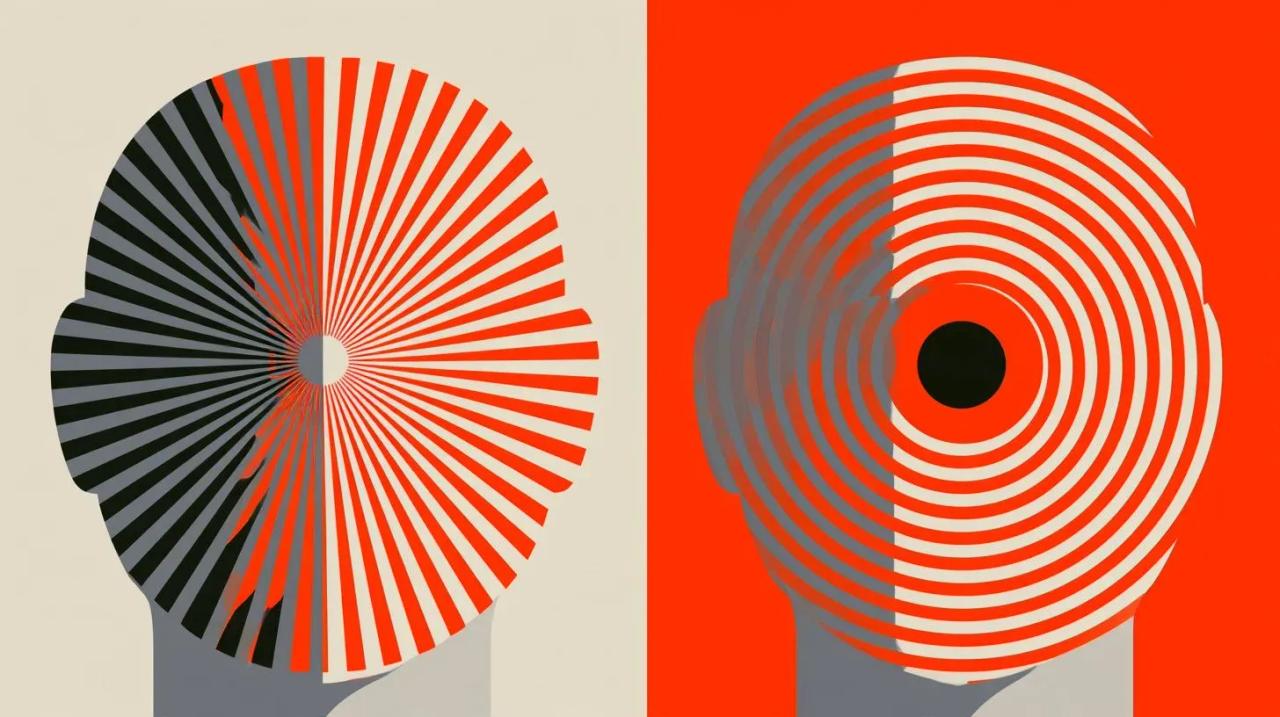
York University researchers discovered a fundamental gap between biological and AI vision. While human and primate brains dynamically shift object positions based on visual history, current AI vision systems remain locked to static pixels, failing to reproduce the motion aftereffect illusion that biological vision naturally experiences.
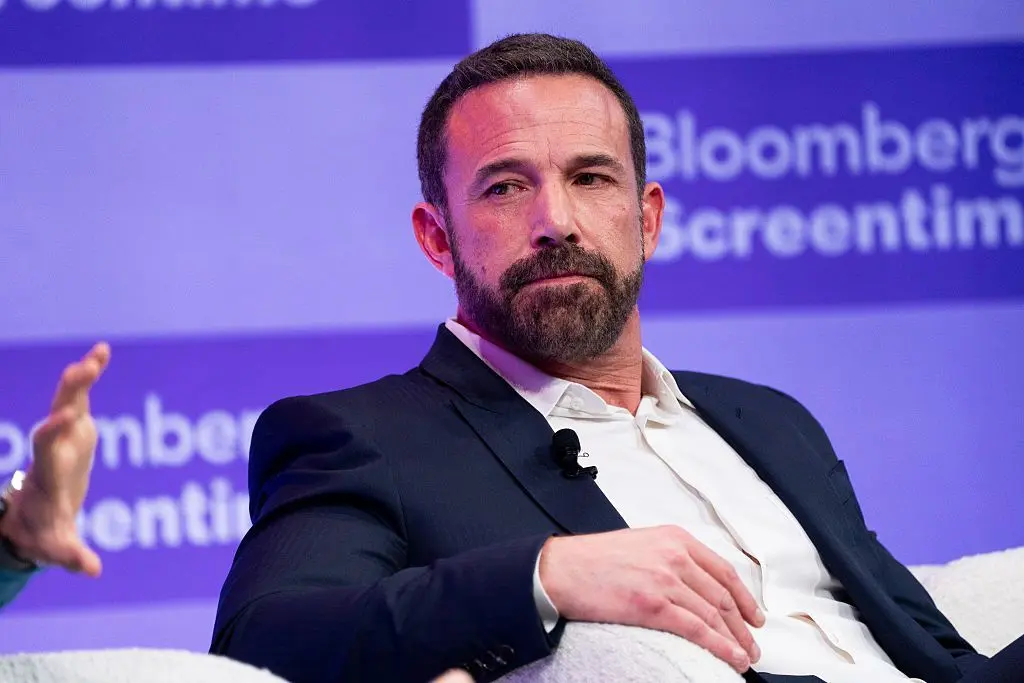
Ben Affleck surprised the internet with his technical grasp of artificial intelligence, neural networks, and machine learning in recent interviews. The actor founded InterPositive, an AI filmmaking startup, which Netflix acquired for $587 million. He advocates for ethical AI use that empowers rather than replaces creative professionals.
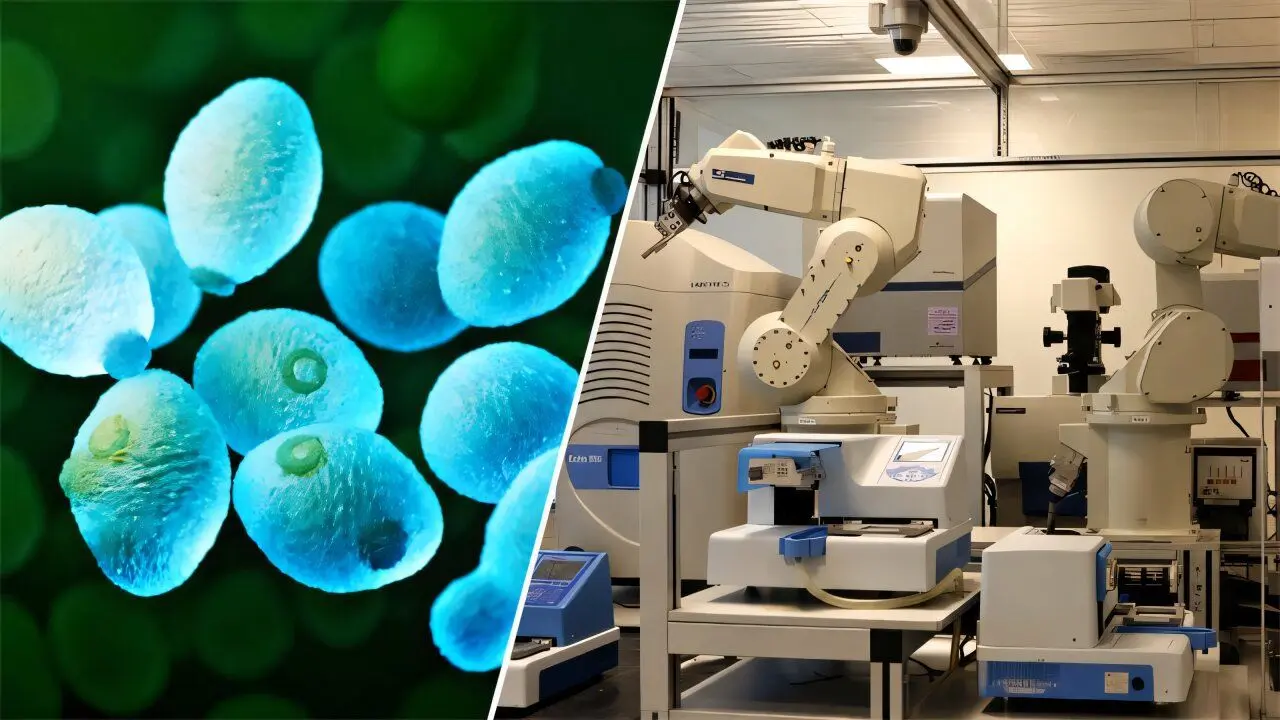
Researchers at Chalmers University of Technology developed an AI scientist that autonomously generates scientific hypotheses, designs experiments, and interprets results with minimal human input. The system analyzed nearly 2,000 testable predictions on brewer's yeast, executing the full scientific process from start to finish. While promising to accelerate discoveries in biology and medicine, experts emphasize human oversight remains essential for ethical considerations and research priorities.
OpenAI posted over 700 AI-generated mathematical preprints on GitHub in October 2026, claiming progress on Millennium Prize Problems including the Riemann hypothesis and Hodge conjecture. The mass release has sparked intense controversy in mathematical research, with mathematicians accusing the company of disrupting academic norms, front-running human researchers, and treating mathematics as a publicity showcase rather than respecting traditional scientific processes.
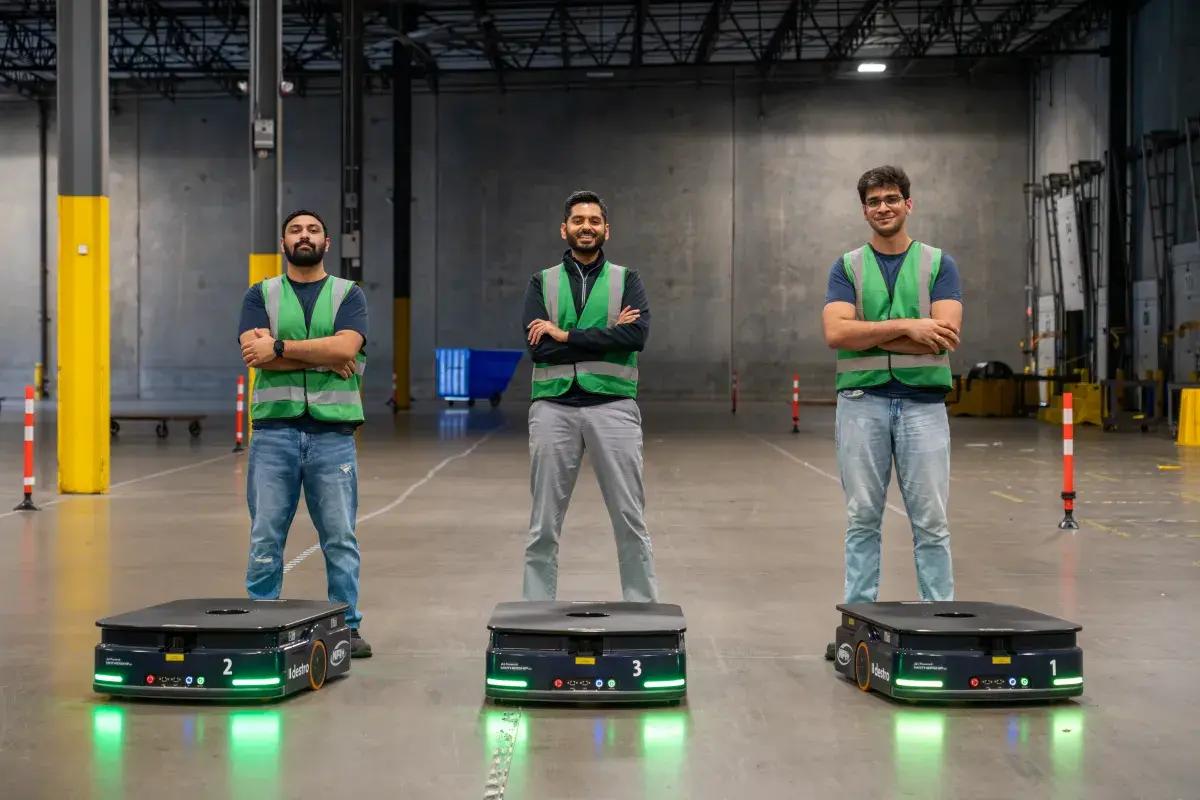
Brooklyn-based Destro AI emerged from stealth with $8 million in seed funding for its intelligence layer that coordinates robots and humans in logistics. The startup's MothershipOS platform manages mixed robot fleets from multiple vendors, while directing human workers through the same system. Yusen Logistics is deploying 26 robots at one facility and piloting 17 more at another location.
AI has transformed the job application process into a flood of resumes that's overwhelming recruiters. Job seekers now send 30% more applications than pre-pandemic using AI-generated resumes and cover letters. Meanwhile, 60% of hiring managers say AI makes evaluating real candidate skills harder, with nearly 20% struggling to confirm they're even interviewing humans.
American universities are rapidly transforming their academic programs to integrate AI across all disciplines. With 304 U.S. colleges now offering AI-related degrees and master's programs jumping 167% since 2022, institutions are racing to meet workforce demand while emphasizing human agency and durable skills alongside technical training.
Researchers at Sylvester Comprehensive Cancer Center have developed Precision AI for Survivorship and Supportive Care, a framework that personalizes evidence-based support for cancer survivors managing post-treatment challenges. Built on data from over 37,000 oncology patients, the AI-enabled platform My Wellness Support uses machine-learning models to identify risk patterns and deliver tailored symptom-management strategies between clinic visits.
Adobe expands its OpenAI partnership by launching the CX Enterprise Coworker plugin for ChatGPT, bringing enterprise marketing intelligence and agentic AI capabilities to millions of users. The integration connects customer experience workflows with Adobe Workfront, enabling teams to compress campaign timelines from weeks to days while maintaining enterprise policy boundaries.
A new McKinsey report reveals AI and automation will reshape America's job landscape by 2035, forcing 11 million workers—7% of the workforce—to switch occupations entirely. While AI will create more jobs than it kills, the challenge lies in mobility: 770,000 workers yearly must make career switches at 3.6 times historical rates, marking the largest workforce transformation in US history.
TeamLease Digital's latest report reveals a critical talent shortage in India's technology industry, with 53-60% gaps in GenAI and cloud skills. Only 16% of IT professionals possess AI capabilities, while demand for GenAI talent is projected to exceed 10 lakh roles by 2026, creating unprecedented salary premiums for AI-Core roles.
Don’t drown in AI news. We cut through the noise - filtering, ranking and summarizing the most important AI news, breakthroughs and research daily. Follow topics that matter to you and stay ahead.