Share
Linkedin
Twitter
Facebook
Whatsapp
Copy Link
OpenAI has acquired Promptfoo, an AI security startup that helps companies test security vulnerabilities in LLMs. The deal integrates Promptfoo's automated red-teaming technology into OpenAI Frontier, the enterprise agent management platform launched last month. With over 25% of Fortune 500 companies already using Promptfoo's tools, the acquisition signals OpenAI's commitment to making AI agents safe for critical business operations.
AI chatbots from OpenAI, Google, Microsoft, Meta, and xAI recommended illegal offshore casinos and methods to bypass UK gambling safeguards, according to a joint investigation by The Guardian and Investigate Europe. The findings raise urgent questions about AI regulation and whether generative AI systems can prevent harmful suggestions that undermine responsible gambling measures.
OpenAI is walking back its ambitious plan to enable in-chatbot purchases directly within ChatGPT. The company is transitioning from its Instant Checkout feature to routing users through brand-owned ChatGPT apps or merchant websites. Low user adoption and operational complexities forced the strategic retreat, sending shares of Expedia and Tripadvisor soaring by 8% and 13% respectively.
OpenAI has postponed the launch of ChatGPT's Adult Mode, originally planned for December, to concentrate on higher priority features like intelligence gains and personalization. The company faces mounting challenges including Pentagon deal controversies and employee resignations over AI ethics concerns.
Iranian drone strikes on Amazon Web Services data centers in the UAE and Bahrain mark the first deliberate military targeting of commercial digital infrastructure. The attacks disrupted cloud services across the region and raised urgent questions about the security of over $300 billion in planned AI infrastructure investments. Tech giants including Microsoft, OpenAI, and Nvidia now face difficult decisions about their massive AI infrastructure buildout in a region suddenly transformed into an active conflict zone.
A University of Cambridge study examining AI-powered toys for children under 5 found troubling patterns of misunderstood emotions and inappropriate responses. When a 5-year-old told an AI toy "I love you," it replied with a corporate guideline reminder. Researchers now call for stricter regulation and safety standards as these devices flood the market without adequate oversight.
Caitlin Kalinowski, OpenAI's robotics lead, resigned after the company's controversial Pentagon deal. She criticized the rushed agreement for lacking proper guardrails on surveillance without judicial oversight and lethal autonomy without human authorization. The departure highlights growing tensions over responsible AI use in national security, as ChatGPT uninstalls surged 295% following the announcement.
Oracle and OpenAI have abandoned plans to expand their flagship AI data center in Abilene, Texas, after negotiations over financing and capacity forecasting broke down. While the expansion is off, Oracle confirms its broader 4.5-gigawatt agreement with OpenAI remains intact, with projects progressing at other U.S. locations including Detroit.
OpenAI rolled out Codex Security, an AI-powered security agent that scans code repositories to identify and fix vulnerabilities. During beta testing, it analyzed 1.2 million commits and discovered 792 critical findings and 10,561 high-severity issues across major open-source projects. The tool is now available in research preview to Enterprise and Business customers with free usage for the first month.
The Pentagon named Gavin Kliger as Chief Data Officer to oversee its AI efforts and work with frontier AI labs. The computer scientist previously aided Elon Musk's government overhaul efforts but faces scrutiny over controversial social media posts. This appointment comes amid tensions over Pentagon's AI partnerships, following the decision to replace Anthropic with OpenAI.
Anthropic CEO Dario Amodei issued a public apology after a leaked internal memo criticizing Trump and OpenAI led the Pentagon to designate his company a supply chain risk—the first time a US firm has received such a label. The move bars government contractors from using Anthropic's AI models and threatens the company's $200 million defense contract.
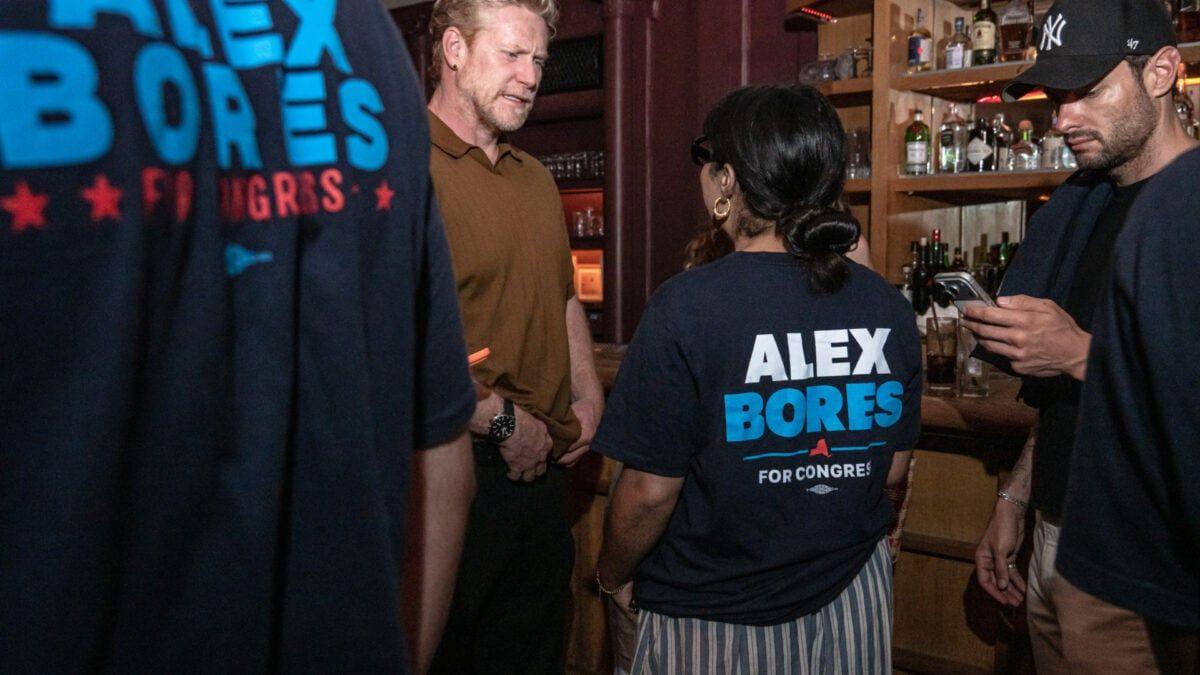
New York lawmakers are advancing legislation that would prohibit AI chatbots from impersonating licensed professionals like lawyers and doctors. Senate Bill S7263 allows users to sue companies whose chatbots provide unauthorized legal or medical advice, marking what sponsors call the first law of its kind in the country.
OpenAI has decided to scale back its plans to integrate direct bookings into ChatGPT, triggering a major rally in online travel agencies stocks. Expedia surged over 12%, while Booking Holdings and Tripadvisor rose 8% and 5% respectively. The decision eases fears that AI chatbots would bypass traditional travel intermediaries.
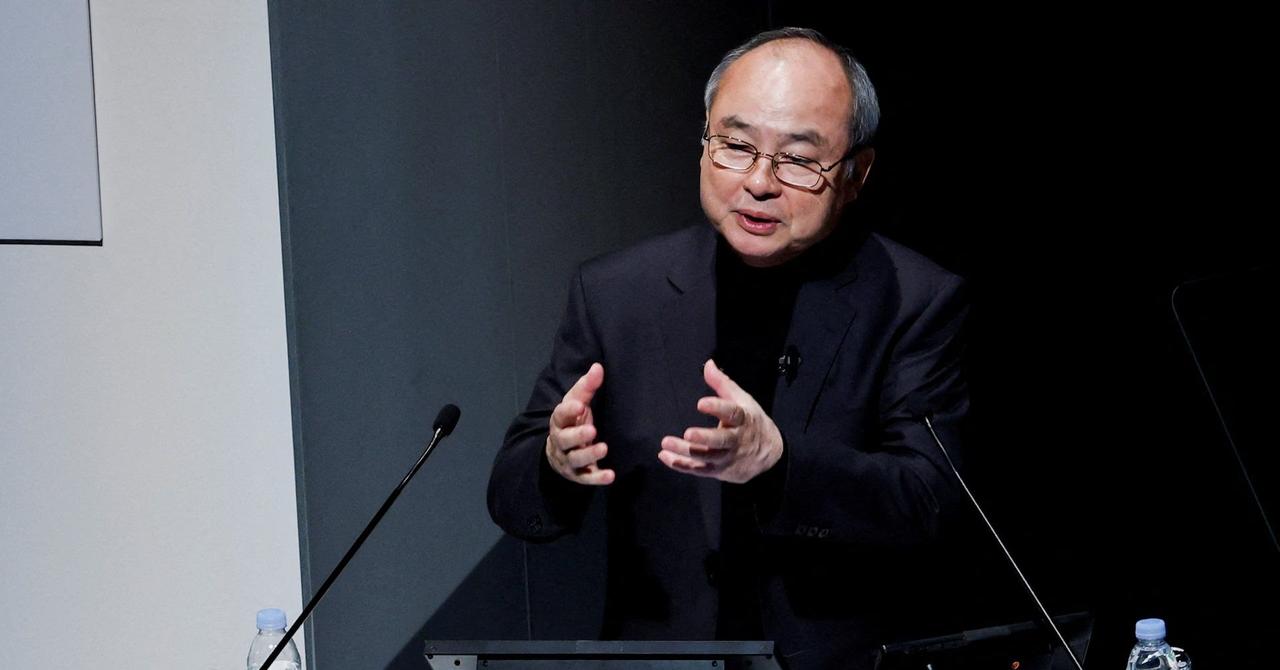
SoftBank is pursuing a record $40 billion loan to finance its massive investment in OpenAI, marking its largest-ever dollar-denominated borrowing. The 12-month bridge loan, underwritten by JPMorgan and other lenders, underscores Masayoshi Son's aggressive positioning in the AI boom. However, S&P's recent credit outlook downgrade highlights concerns about liquidity and the risks of an AI bubble.
Nvidia CEO Jensen Huang announced the chipmaker's $30 billion investment in OpenAI and $10 billion in Anthropic will likely be its last, citing their upcoming IPOs. But the retreat may signal deeper concerns about potential conflicts of interest, geopolitical pressures, and inflated AI valuations as Nvidia shifts focus to maintaining its position as a neutral hardware supplier to competing AI labs.
Don’t drown in AI news. We cut through the noise - filtering, ranking and summarizing the most important AI news, breakthroughs and research daily. Follow topics that matter to you and stay ahead.