AI Price Shock Arrives as Memory Chip Costs Push Apple, Microsoft to Hike Consumer Electronics Prices


3 Sources
[1]
Rise in memory chip costs puts pressure on retailers of laptops and smartphones
So far, Best Buy said, customers are still spending, but the electronics retailer expects its computing division to be most affected. As the global artificial intelligence race accelerates, memory chips are getting more expensive. As a result, costs of some consumer electronics are beginning to rise for retailers and consumers alike. Memory storage, known as RAM, is crucial for all computing devices, including phones, tablets and laptops. The cost of chips has been rising due to a supply shortage driven largely by massive demand for AI data centers. Companies such as Nvidia, Advanced Micro Devices and Google have been scrambling to secure RAM for their chips. Apple on Thursday announced it's raising its prices on MacBooks and iPads -- passing along the rising cost of memory to consumers -- with the potential for more price hikes down the road. The memory shortage is an "unprecedented challenge," the company said in a statement. Incoming Best Buy CEO Jason Bonfig said on a call with reporters earlier this month that the company expects its computing division will be the most affected by price hikes. "We did see some staggered price increases in Q1, so moving to Q2, we do expect [average sale prices] to increase and units from an elasticity perspective to be impacted," Bonfig said. "We did bring in more inventory in Q1, which you can see on our balance sheet, which does help us to mitigate it." Soaring memory costs are expected to reduce global personal computer shipments by 10.4% and smartphone shipments by 8.4% in 2026, according to Ranjit Atwal, a senior director analyst at Gartner, citing February research. Gartner also projected that PC prices will increase by 17% and smartphone prices will grow by 13%, compared with 2025 levels. "What's happening this time around, compared to previous times that memory prices have gone up, is the extent with which prices of memory is increasing," Atwal said. "Secondly is the length of time that we think prices will remain high. ... This one is looking like it won't be until the end of 2027 before we get to any type of regional pricing." While the price increases may not be immediately apparent in stores, Atwal said, it's inevitable that the demand will outpace the supply. Some retailers pulled forward inventory in the first quarter in anticipation of the rising prices, he added, but that cushion can only last so long. "It will catch up with everyone," he said. "You end up in a point where you just have no control over what you can do. You have to pass it on, and that's the difference now versus where we were before. The market's more mature as well, so there's an expectation that people are going to buy up anyway." Consumers might not even be aware of the price hikes, Atwal said. Most people upgrade their laptops after four or five years and may not even remember what they previously paid or what the specifications of their old models were, he said. That gap may lead to a somewhat "delayed impact" on consumer behavior, Atwal said, but the eventual effect is bound to hit them soon. So far, Bonfig said, Best Buy isn't seeing any indication that consumers are pulling forward purchases or even that the rising memory costs are affecting their budgets. "What we do with that customer is talk about what they're replacing, talk about what their needs are and talk about how to get them into technology that is going to be substantially better in so many different ways," Bonfig said. "That's really the focus that we will continue to have, to make sure we have that broadness and assortment." A Best Buy spokesperson told CNBC that the company still sees its customers spending and that very few of them are worried about memory. In the first quarter, Best Buy said it saw its ninth consecutive quarter of positive comparable sales in computing. Anthony Chukumba, an analyst at Loop Capital who covers Best Buy, told CNBC he thinks larger retailers such as Best Buy will fare better than smaller ones, because of the market share they hold. As suppliers navigate passing along the added costs, Chukumba said major retailers will have more "leverage" to avoid price hikes for as long as they can. "A lot of times, investors think about things too simplistically, like, 'Oh, rising memory costs because of AI, that must be very bad for Best Buy,'" Chukumba said. "There's just nothing that Best Buy can do about it. ... This is their business, they're always managing these changes, and they're seeing the same stuff that you're seeing, probably before you're seeing it, and in much more detail, and so they manage." Chukumba said he believes the long-term impacts of memory costs won't be as significant as they may seem at the moment. "Because technology is constantly evolving, constantly becoming cheaper, you can have this headwind of higher memory prices, but if you're buying something relative to what you would have bought a year ago, much less two years ago, it's still going to have vastly superior capabilities, and the consumers are none the wiser," he said. It could also hit other retailers, such as Target, Amazon, Costco and Walmart. Target declined to comment on rising memory costs, and Amazon also declined to comment. Costco and Walmart did not respond to requests for comment. Still, the broader risks posed by the memory chip shortage could spell trouble. According to Atwal, the Gartner analyst, the rising costs could lead to consumers holding onto their devices longer, leading to fundamental changes to upgrade cycles for products such as smartphones. "Consumers ... will compromise on what they need, and the vendors are going to find it more difficult to push AI features, which are kind of dependent on this, and typically want a premium for them," Atwal said. Earlier this month, a coalition of organizations including the National Retail Federation wrote a letter to the U.S. Treasury and Commerce departments asking the government to examine the "urgent imbalance" of memory chips and the potential for "significant and sustained near-term price increases" for consumers. "The real-world impacts of these trends have already begun to show themselves and threaten to deteriorate rapidly if the situation is not remedied," the letter said. The organizations urged the government to work with memory chipmakers and chip buyers to "protect against harm to consumers, workers, and businesses of all sizes." Jon Gold, NRF's vice president of supply chain and customs policy, told CNBC the trend could lead to a shortage of consumer electronics, in addition to the potential price hikes. "There's always only so much impact that retailers can take on their own, so they've got to work with their vendors the best they can to try and minimize price increases and the impact that's having on consumers," Gold said. "But the bigger impact is the lack of those memory chips is a lack of products potentially." Gold said that if consumers begin to hold on to devices for longer because of price increases and the cost difference for upgrading, it will affect both retailers and suppliers as the consumer electronics market stagnates. "Unfortunately, it's one more complicated factor for a retailer and others who are making long-term plans and who are making contracts six, nine, 12 months in advance," Gold said. "It's very complicated and very complex and more pressure on retailers and manufacturers." Choose CNBC as your preferred source on Google and never miss a moment from the most trusted name in business news.
[2]
The AI price shock is here: Apple, Microsoft hike prices
That's now becoming increasingly apparent to ordinary Americans who might have thought that AI's impact would be primarily on their jobs. Driving the news: Apple provided the clearest evidence yet Thursday, raising prices by as much as 25% on MacBook and iPad models -- and blaming soaring memory chip costs due to AI demand. * The same memory squeeze is now hitting gaming consoles. Also on Thursday, Microsoft announced price increases of as much as $150 on Xbox consoles -- which comes after Sony and Nintendo recently made similar moves. * Storage and memory costs have more than doubled since last fall, Microsoft said, forcing the price increases because consoles aren't sold with enough margin to absorb those higher costs. The big picture: For now, the AI boom is moving through the economy less like a sudden wave of layoffs and more like a giant buyer of scarce resources, including electricity, water, storage and data-center space as well as chips. * It's an "unprecedented challenge" for device makers like Apple, according to Wedbush Securities analyst Dan Ives. * Consumer gadgets were one of the few places where prices reliably fell over time over the past few decades. The AI infrastructure boom is reversing that norm. What they're saying: "The rapid expansion of AI data centers has created an extraordinary surge in demand for memory and storage. We have never seen a component price increase this much, this quickly," Apple said in a statement. * "The entire consumer electronics industry is struggling with the current components crisis, but the effects are particularly hard on consoles," which "are typically not sold at a profit, but instead for less than they cost to make," Microsoft said in a statement. The intrigue: Prices for computer software and accessories jumped a record 14.5% in May from a year earlier, ending a quarter-century era in which those products almost always got cheaper. * The category includes storage devices like flash drives that have memory chips. What to watch: The potential labor market effects of AI may still be huge. Companies are testing how much work can be automated, with any job impact becoming clearer over time. * Yet pocketbook issues may steal the limelight from worries over jobs. * Already, AI data centers have fueled a growing political backlash from residents worried about higher utility bills. The bottom line: Americans have been wondering how the technology would change the economics of their lives. The first place many are feeling it may be their wallets.
[3]
Gadget prices have fallen for decades. Then AI happened.
Mary Cunningham is a reporter for CBS MoneyWatch. She previously worked at "60 Minutes," CBSNews.com and CBS News 24/7 as part of the CBS News Associate Program. After decades of declining costs, consumer electronics ranging from computers to video game consoles are jumping in price as the artificial intelligence boom drives a global shortage of memory and storage chips. "The vast majority of the chips are going to the AI buildout and the data center revolution we're seeing," Wedbush Securities analyst Dan Ives told CBS News. "That's [fewer] chips for these regular consumer devices. That just further drives up prices." On Thursday, Apple and Microsoft each said they were hiking prices on core products, including iPads, certain MacBook models and Xbox consoles, as strong demand for chips drives up the cost of electronic device components. Apple could also raise iPhone prices to offset rising manufacturing costs, according to analysts at market researcher International Data Corporation (IDC). IDC analyst Nabila Popal said Apple's price hikes were higher than she had expected. That suggests any iPhone price increases may also be higher than expected, perhaps as much as $200 for the iPhone Pro and Pro Max models. "I think the days of $50 price increases are over," she said. The rise in gadget prices is unusual, as the cost of personal computers and other personal electronics has generally fallen since the 1980s. The latest government inflation data show that prices for computer software and accessories have surged by more than 14% over the last year. Personal computers, such as tablets, home assistants and computer hardware, are up 1.3%. What's behind the chip shortage? The three biggest memory chip manufacturers -- Micron Technology, Samsung Electronics and SK Hynix -- have historically produced semiconductors for devices such as smartphones and for other consumer products such as cars. But those chipmakers are now racing to meet surging demand from Alphabet, Amazon, Meta, Oracle and other tech giants -- dubbed "hyperscalers" -- that need memory chips for the thousands of data centers they are building to provide a range of AI services. "Basically, we ended up with a situation where those companies, the hyperscalers, started buying the entire capacity from those suppliers" at premium prices, Francisco Jeronimo, vice president for data and analytics at IDC, told CBS News. Historically, most of Micron, SK and Samsung's chip production focused on churning out so-called DRAM and NAND semiconductors, the standard memory chips used in smartphones, PCs and other electronics. But semiconductor manufacturers are now devoting more resources to producing so-called high bandwidth memory (HBM) chips used to provide memory for data centers. For semiconductor makers, HBM chips are more profitable to produce than those used in personal devices, Jeronimo said. Manufacturers effectively said, "What is the point of selling and making memory for smartphones or PCs or any other device when we have this huge opportunity for many years to come?" he added. Last year, for example, Boise, Idaho-based chipmaker Micron Technology abandoned consumer chip production altogether, framing the decision as a necessary move to meet surging demand tied to AI growth. As memory and storage supply shrinks amid rising AI demand, chip prices have risen, spurring companies like Apple and Microsoft to pass those costs onto consumers, Jeronimo said, describing the current chip shortage as "way worse" than the supply disruptions during the pandemic caused by factory closures. "There's no more stock," he said. "Every single memory [chip] they buy, it costs 100% to 200% more than six or 12 months ago." Wedbush Securities estimates that there are 15 times as many memory chip orders from tech companies as there are available chips. Meanwhile, boosting chip supplies is difficult due to manufacturers' limited production capacity and the enormous expense of building semiconductor fabrication facilities, which can cost $10 billion and take up to five years to complete. "You can't just snap your fingers and release more memory chips," Ives said. How long could the chip shortage last? Tech analysts and economists predict the chip shortage will persist at least through 2027 and perhaps later, citing the time required to expand or build new plants. In the meantime, consumers can expect prices to continue rising. Tech research firm Gartner forecasts that PC and smartphone prices could jump 17% and 13%, respectively, this year from their 2025 levels because of rising chip costs. Higher prices could cause consumers to hold onto devices longer, denting smartphone sales, according to Jeronimo. Ives advises consumers to buy their next electronic device now before prices rise further. "We're going to continue to see price increases...especially going into the holiday season," he told CBS News.
Share
Copy Link
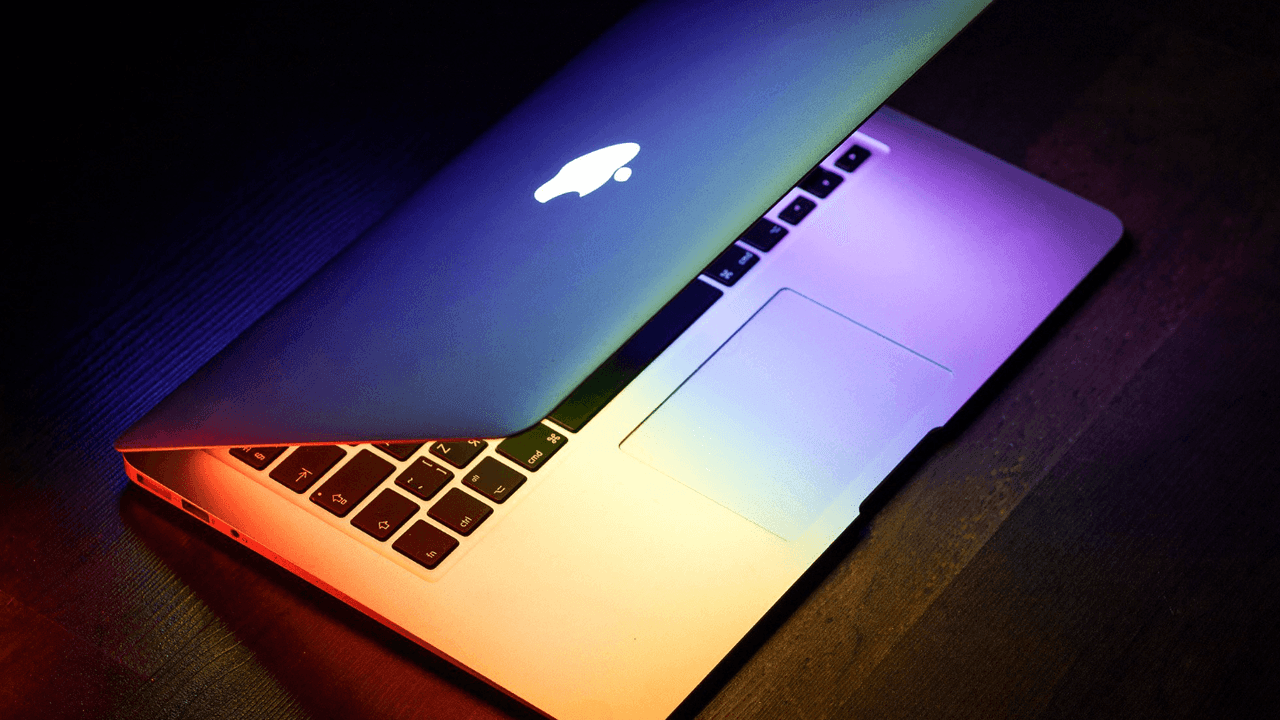
Apple raised prices up to 25% on MacBooks and iPads while Microsoft increased Xbox console prices by as much as $150, both citing soaring memory chip costs driven by AI data center demand. The AI-driven memory chip shortage is reversing decades of declining consumer electronics prices, with analysts forecasting PC prices could jump 17% and smartphones 13% in 2026.
AI Price Shock Reverses Decades of Falling Electronics Costs
The AI price shock has arrived for American consumers in an unexpected form. After decades of reliably declining costs, consumer electronics prices are surging as the artificial intelligence boom creates an unprecedented squeeze on memory chip supplies
1
2
. Apple announced Thursday it is raising prices by as much as 25% on MacBook and iPad models, calling the memory chip costs situation an "unprecedented challenge"2
. Microsoft followed suit with price increases of as much as $150 on Xbox consoles, while Sony and Nintendo recently made similar moves2
. The impact of AI on consumer electronics marks a dramatic shift in how the technology is touching ordinary Americans' lives—not primarily through job displacement, but through their wallets.
Source: Axios
Rising Demand for AI Data Centers Creates Supply Crunch
The AI-driven memory chip shortage stems from massive demand for data centers that power artificial intelligence services. Companies including Nvidia, Advanced Micro Devices, Google, Alphabet, Amazon, Meta, and Oracle have been scrambling to secure RAM for their chips and data center operations
1
3
. "The vast majority of the chips are going to the AI buildout and the data center revolution we're seeing," Wedbush Securities analyst Dan Ives explained. "That's [fewer] chips for these regular consumer devices. That just further drives up prices"3
. Wedbush Securities estimates there are 15 times as many memory chip orders from tech companies as there are available chips3
.Semiconductor Industry Shifts Production to High-Bandwidth Memory
The three biggest memory chip manufacturers—Micron, Samsung, and SK Hynix—have historically produced semiconductors for smartphones and consumer products. But these chipmakers are now devoting more resources to producing high-bandwidth memory (HBM) chips used in data centers, which are more profitable than standard DRAM and NAND semiconductors used in personal devices
3
. Micron abandoned consumer chip production altogether last year, framing the decision as necessary to meet AI-driven supply constraints3
. "Every single memory [chip] they buy, it costs 100% to 200% more than six or 12 months ago," said Francisco Jeronimo, vice president for data and analytics at IDC3
. Storage and memory costs have more than doubled since last fall, Microsoft confirmed2
.
Source: CBS
Price Increases for Laptops and Smartphones Expected to Escalate
The surge in memory chip costs is translating into significant price hikes across consumer electronics. Gartner projects that PC prices will increase by 17% and smartphone prices will grow by 13% in 2026 compared with 2025 levels
1
3
. Apple could raise iPhone prices by as much as $200 for the iPhone Pro and Pro Max models, according to IDC analyst Nabila Popal. "I think the days of $50 price increases are over," she said3
. Government inflation data show that prices for computer software and accessories have surged by more than 14% over the last year—a record jump that ends a quarter-century era in which those products almost always got cheaper2
3
.Related Stories

Economic Consequences Extend Beyond Device Manufacturers
The economic consequences of the AI boom are rippling through supply chains in unexpected ways. Best Buy's incoming CEO Jason Bonfig said the company expects its computing division will be most affected by price hikes, though the retailer brought in more inventory in Q1 to help mitigate the impact
1
. "What's happening this time around, compared to previous times that memory prices have gone up, is the extent with which prices of memory is increasing," said Ranjit Atwal, a senior director analyst at Gartner. "Secondly is the length of time that we think prices will remain high"1
. The shortage is expected to reduce global personal computer shipments by 10.4% and smartphone shipments by 8.4% in 20261
.Long-Term Outlook Suggests Prolonged Supply Constraints
Tech analysts and economists predict the chip shortage will persist at least through 2027 and perhaps later, citing the time required to expand or build new semiconductor fabrication facilities
3
. Building new plants can cost $10 billion and take up to five years to complete3
. "You can't just snap your fingers and release more memory chips," Ives noted3
. Gartner's Atwal said it won't be until the end of 2027 before the market sees any type of regional pricing normalization1
. Ives advises consumers to buy their next electronic device now before consumer electronics prices rise further, especially going into the holiday season3
. The AI infrastructure boom is fundamentally changing how technology affects household budgets, with pocketbook issues potentially stealing the limelight from worries over AI-driven job displacement2
.References
Summarized by

Navi
Related Stories
AI Boom Triggers Memory Shortage, Pushing PC and Smartphone Prices Up 23% by Fall 2026
29 Jan 2026•Business and Economy

Apple hikes Mac and iPad prices up to 25% as AI boom sends memory chip costs soaring
Yesterday•Business and Economy
Apple price increases loom as Tim Cook calls AI memory demand 'unsustainable'
18 Jun 2026•Business and Economy

Recent Highlights
1
Trump administration asks OpenAI to delay GPT-5.6 release over security concerns
Policy and Regulation

2
Anthropic faces AI export ban as Mythos reportedly breached NSA systems in hours
Policy and Regulation

3
OpenAI and Broadcom unveil Jalapeño chip to power next-generation AI inference at scale
Technology

Recent Highlights
Today's Top Stories









Don’t drown in AI news. We cut through the noise - filtering, ranking and summarizing the most important AI news, breakthroughs and research daily. Follow topics that matter to you and stay ahead.


