US closes the Southeast Asia chip loophole as the Nvidia smuggling fight reaches Congress


4 Sources
[1]
How China got access to Nvidia's AI chips despite rules to stop them
Nov 25 (Reuters) - AI chips are a central battleground in the US-China technology race. To preserve its lead, in recent years Washington has imposed and revised rules to restrict China's access to advanced semiconductors and chipmaking technology, while balancing national security concerns with
[2]
Explainer-How China Got Access to Nvidia's AI Chips Despite Rules to Stop Them
Nov 25 (Reuters) - AI chips are a central battleground in the US-China technology race. To preserve its lead, in recent years Washington has imposed and revised rules to restrict China's access to advanced semiconductors and chipmaking technology, while balancing national security concerns with
[3]
Explained | How China got access to Nvidia's AI chips despite rules to stop them
In recent years, the US has implemented extensive restrictions on advanced AI chip exports to China. These measures aim to prevent potential military modernization by China through advanced technology access. Following investigations, Megaspeed, a Singapore cloud company, has been added to a US
[4]
How China got access to Nvidia's AI chips despite rules to stop them
Artificial intelligence chips are a central battleground in the U.S.-China technology race. To preserve its lead, Washington has in recent years imposed and revised rules to restrict China's access to advanced semiconductors and chipmaking technology, while balancing national security concerns with
Share
Copy Link
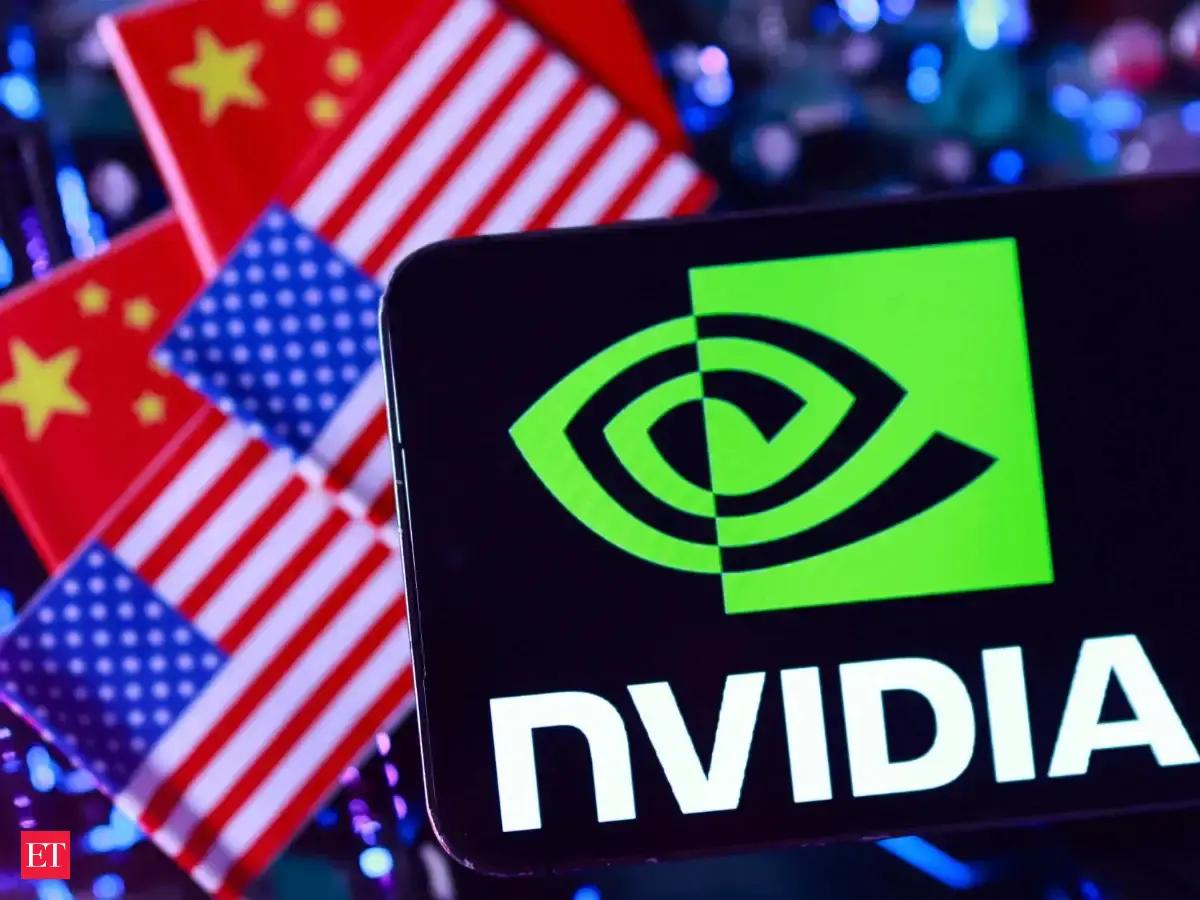
The Trump administration issued a new regulation last week adding license requirements for advanced AI chips in five countries, including Malaysia, Singapore and Thailand, and restricting sales to non-US data centers that supply large amounts of computing power to Chinese-headquartered firms
2
. The administration framed the rule as a crackdown on chips being smuggled into China through transshipment points2
.
Source: ET
Before the new rule, companies in countries including Singapore could acquire Nvidia's advanced AI chips for data centers without a license at all
1
. License requirements had generally applied to countries like Russia and to companies headquartered in arms-embargoed countries2
. Southeast Asian countries are now treated as transshipment points with a high risk of illegal diversion to China2
.The gap had a specific origin. In January 2025 the Biden administration imposed a worldwide license requirement for advanced AI chips
2
. In May 2025, days before it took effect, the Trump administration said it would not enforce it2
. That roughly year-and-a-half of non-enforcement allowed data center capacity to grow in Singapore, where Chinese firms could rent remote computing power3
.The company in the spotlight
The rule lands the same week the US blacklisted Megaspeed, a Singapore cloud company, and its Thai and Malaysian subsidiaries; Nvidia says it cut off sales in June 2025
2
. Authorities had investigated the company for over two years on possible chip diversion to China2
.Nearly 900,000 advanced AI chips from Nvidia and Advanced Micro Devices were approved for Chinese companies between December 2025 and May 2026
2
. The approvals are legal1
. About a year ago Trump allowed Nvidia to ship one of its more advanced chips, though not its best, to China1
. The Commerce Department has issued licenses case by case since spring 20261
. Experts criticized the decision, saying the chips could help China's military modernization1
.Jensen Huang, Nvidia's CEO, has said for years that no evidence of chip smuggling exists, though supporters say the company may lack verified evidence and cannot track chips after sale
2
. Critics say Nvidia has minimized a well-known risk2
. In March, prosecutors charged three people from server maker Super Micro Computer, among them a co-founder, over an alleged plot to send about $2.5 billion of American technology to China3
. The case further questioned that assertion3
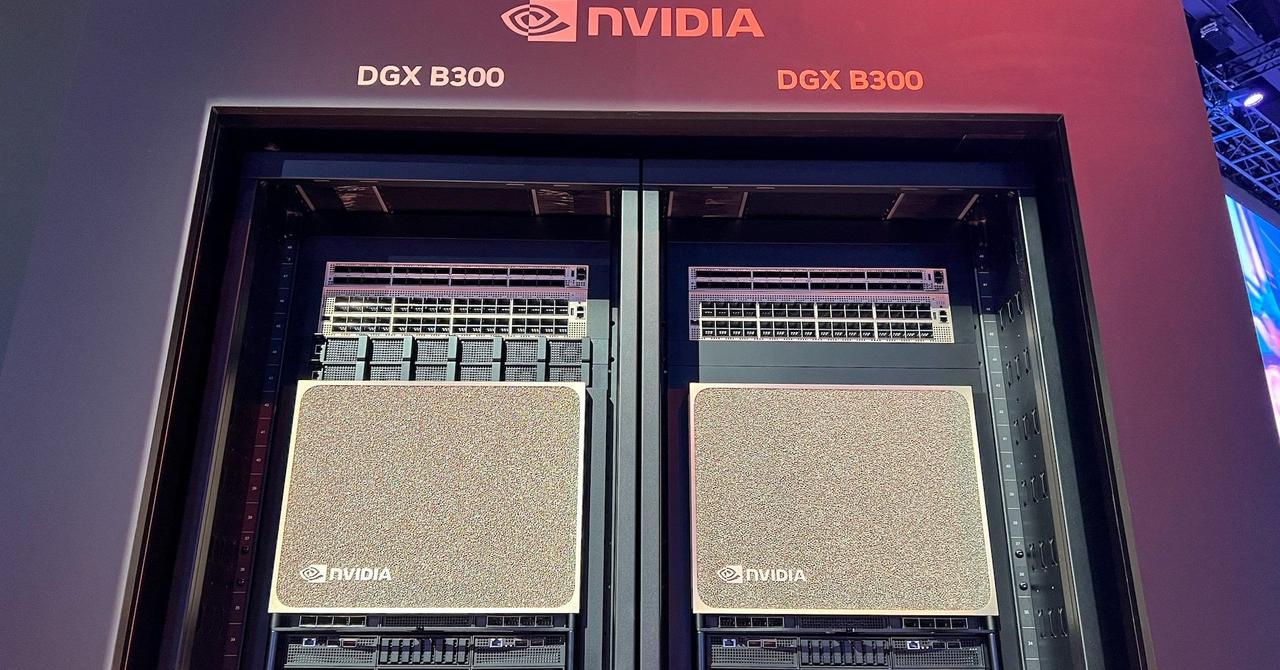
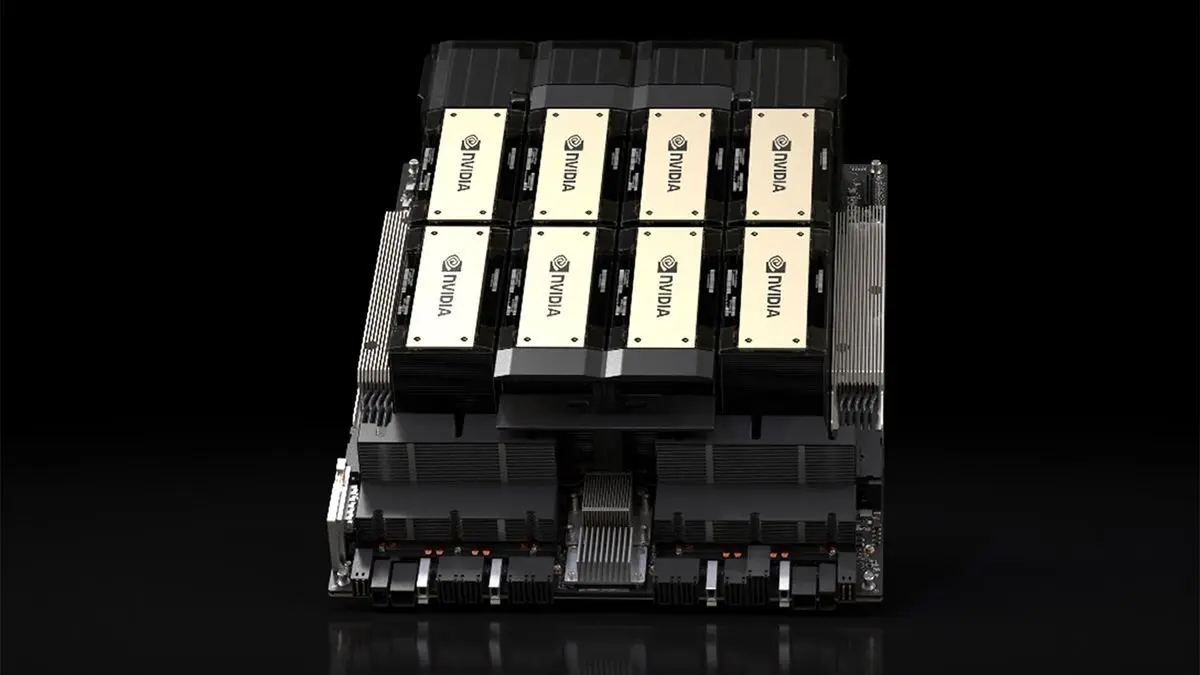
. Huang once argued the company's Grace Blackwell platform weighs nearly two tons and cannot fit in a backpack2
. Servers, though, are not smuggled in backpacks; they move through third countries and intermediary companies2
.
Source: Reuters
What happens next
The scandal gave new momentum to the Chip Security Act, which would require location verification and diversion reporting and may be included in the National Defense Authorization Act
2
. Nvidia has opposed legislation mandating location verification1
. It confirmed in December 2025 that it has built technology that could indicate which country its chips operate in, offered to customers as a software option1
. Congress is expected to pass the defense bill next month2
.
Source: Japan Times
Related Stories

References
Summarized by

Navi
Related Stories
Chinese AI Firms Access Banned Nvidia Chips Through Southeast Asia Data Centers
19 Aug 2026•Policy and Regulation

Nvidia AI Chips Reach China Through Empty Offices as New Export Rules Tighten Access
03 Nov 2026•Business and Economy

$4.6 Billion in Export-Restricted Nvidia AI Chips Smuggled Into China Despite U.S. Controls
18 Sept 2026•Policy and Regulation
Recent Highlights
1
Anthropic mathematician says Claude helped him prove math's most famous problem
Science and Research

2
Two states sue SpaceX, saying weak Grok safeguards were no accident
Policy and Regulation

3
Jensen Huang is back at Nvidia 11 days after quitting, and the scrutiny came back with him
Business and Economy
Recent Highlights
Today's Top Stories









Don’t drown in AI news. We cut through the noise - filtering, ranking and summarizing the most important AI news, breakthroughs and research daily. Follow topics that matter to you and stay ahead.


