Share
Linkedin
Twitter
Facebook
Whatsapp
Copy Link
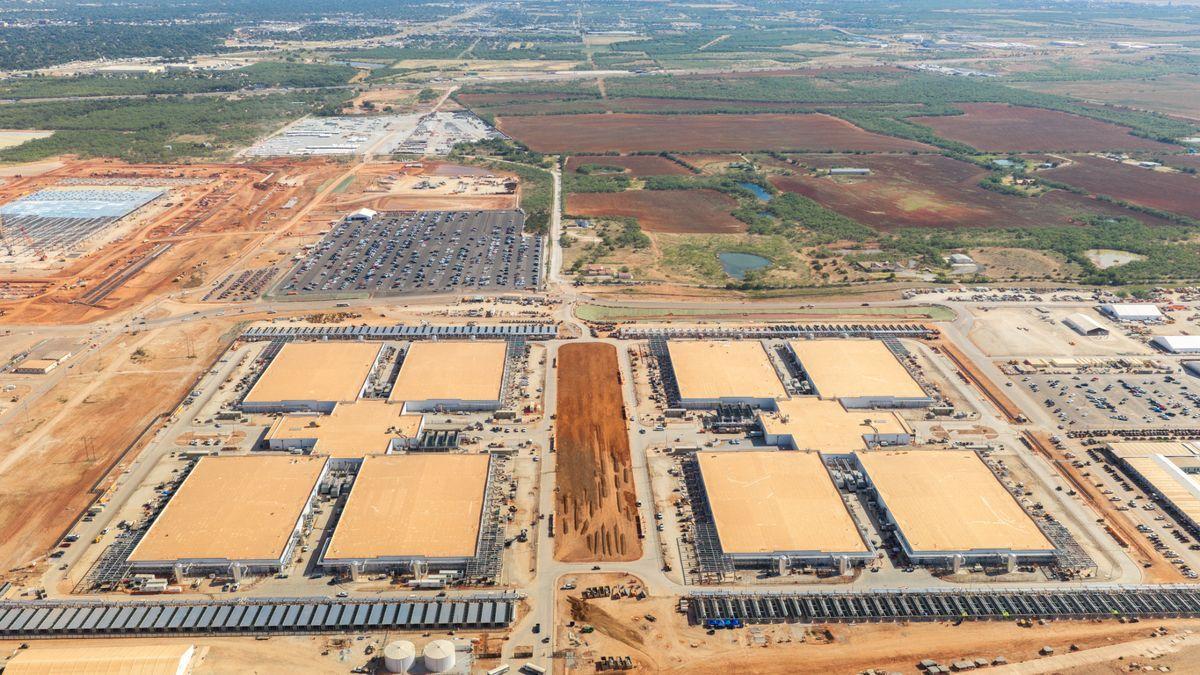
Voters approved 40 of 41 ballot measures restricting AI data centers amid mounting resource concerns. Giant facilities from Meta, Google, and SpaceX can consume up to 10 million gallons of water per day, with one in four data centers located in water-stressed areas. Nvidia's advanced liquid cooling technology offers potential solutions to reduce consumption.
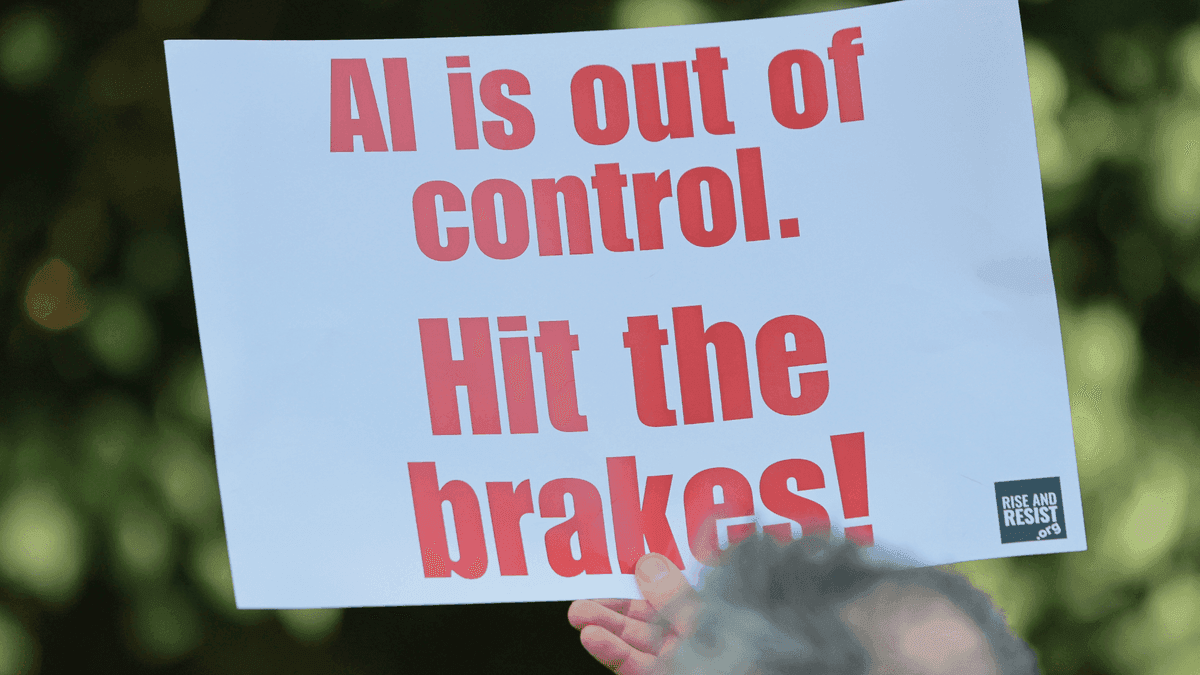
Democrats swept the U.S. midterm elections, immediately triggering calls for stricter AI regulations and a pause on advanced AI development. Congresswoman Yassamin Ansari demanded regulation of the "out of control" AI industry and even proposed banning artificial superintelligence. Market jitters erupted as more than $3 trillion was wiped off U.S. stocks, with bond investors growing cautious on AI debt amid fears the boom may be ending.
Google announced a $15 billion investment in Malaysia over 2027-2028 to build AI-focused data centers, expanding its earlier $2 billion commitment. The facilities will support AI services like chatbots and image generators while promising energy efficiency and clean energy capacity additions. However, concerns mount as data centers are projected to consume one-third of Malaysia's energy by 2035.
Envision Energy has deployed the world's first commercial 800-volt DC power system at its Galaxy AI campus in Ulanqab, Inner Mongolia. The system converts 10kV AC electricity directly to 800V DC, eliminating multiple conversion stages while integrating solid-state transformers and battery storage to handle AI workload power demands with millisecond-level response times.
Drax has partnered with Brookfield and Radiant to develop a massive AI data centre at its North Yorkshire biomass power plant, with investment potentially exceeding £20 billion. The project targets 1 gigawatt capacity but still requires planning permission, regulatory approvals, and crucially, a tenant before the planned 2028 launch.
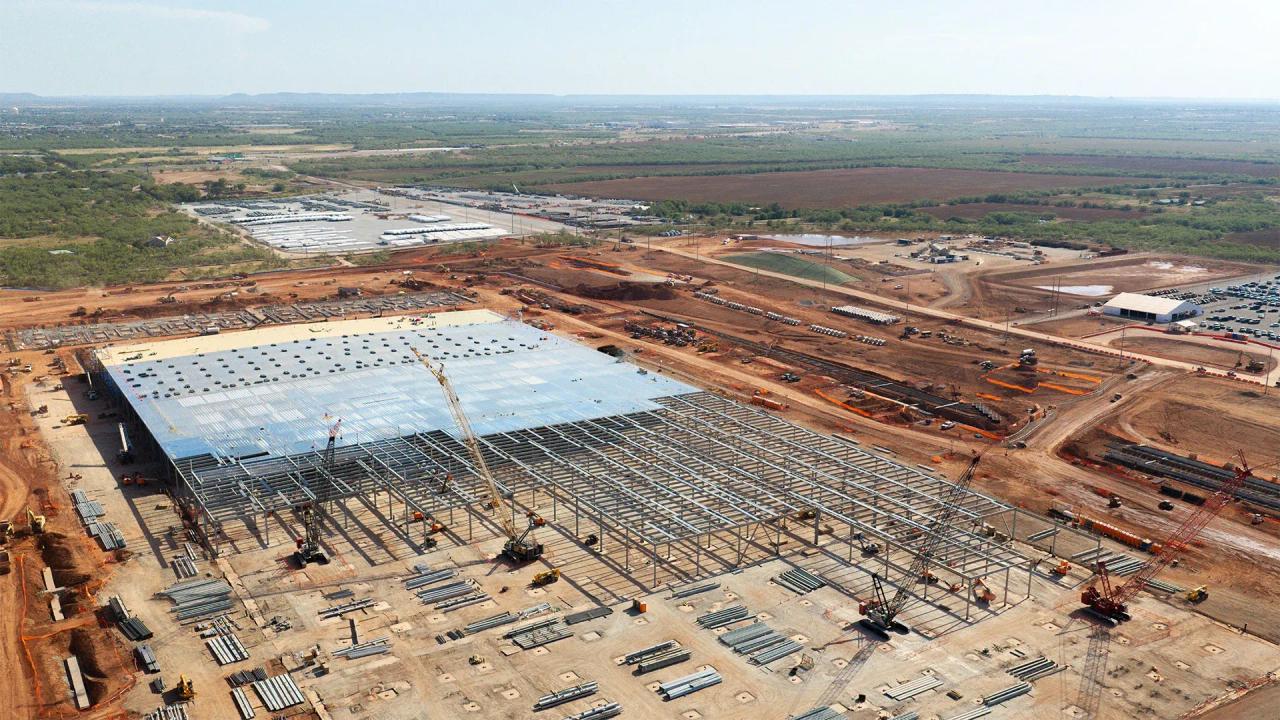
The 2026 midterm elections delivered a stunning blow to Big Tech's AI expansion plans, with voters across 10 states overwhelmingly approving restrictions on data center construction. Out of 44 ballot measures seeking to limit AI data centers, 38 passed, while Democratic victories in key states like Texas now threaten to delay billions in planned infrastructure. Meta and other tech giants face mounting regulatory scrutiny as communities demand protection from rising electricity costs and environmental concerns.
OpenAI unveiled its Grid Protectors Program to reduce electricity consumption at AI data centers during emergencies and peak demand periods. The pilot at its planned Effingham County, Georgia facility promises to free up to 1,000 megawatts of power—enough for roughly 700,000 homes—while addressing growing public opposition to energy-intensive AI infrastructure.
Cipher Digital Inc reported third-quarter revenue of $26.7 million, missing analyst expectations by 30% as Bitcoin mining operations wound down. However, the company's transition to AI infrastructure gained momentum with its first HPC leasing revenue and an expanded 20-year Barber Lake contract now worth approximately $9.1 billion in total commitments.
President Javier Milei is pitching Argentina as a regulation-free AI haven, promising no oversight and slashing corporate tax rates from 25% to 15% for AI data center investment exceeding $1 billion. While tech giants including OpenAI, Amazon, and Google explore Patagonia's vast lands and energy resources, critics warn the approach could turn the country into an unregulated laboratory with unclear benefits for Argentines.
OpenAI CEO Sam Altman signed four major agreements in Abu Dhabi covering energy, government, and investment sectors. ADNOC became the first energy company to deploy OpenAI's Frontier AI platform, while the emirate launches the world's first Machine-Readable Government initiative using AI models for regulatory compliance.
OpenAI is rebranding data centers as AI compute campuses in response to widespread bipartisan opposition. The move comes as Chris Lehane launches a policy agenda targeting the 2028 U.S. presidential election, where AI infrastructure and economic concerns are expected to dominate voter conversations.
A federal judge denied xAI's motion to dismiss an NAACP lawsuit alleging the company operates methane gas turbines at its Memphis data center without proper air permits, violating the Clean Air Act. The ruling keeps the case alive despite claims the turbines qualify as mobile equipment exempt from permitting requirements.
Canada and the European Union finalized a groundbreaking strategic partnership in Montreal, unveiling deals on artificial intelligence and critical minerals. The alliance, featuring a CAN$1.6 billion investment in AI firm Cohere, aims to reduce reliance on US and China amid escalating geopolitical pressures and trade tensions.
Nvidia is in talks to guarantee billions in debt financing for Nscale's West Virginia AI data center, which will serve Anthropic under a $45 billion contract. The move comes as the AI infrastructure startup faces construction setbacks, regulatory issues, and mounting investor concerns ahead of its planned $35 billion IPO.
Turkey launched the Antalya AI Pledge at COP31, positioning AI as a tool to combat climate change despite rising data centers' fossil fuel emissions. The voluntary commitment requires energy disclosure and clean power for data centers, though accountability mechanisms remain unclear.
Don’t drown in AI news. We cut through the noise - filtering, ranking and summarizing the most important AI news, breakthroughs and research daily. Follow topics that matter to you and stay ahead.