Share
Linkedin
Twitter
Facebook
Whatsapp
Copy Link
Clean Max has pledged nearly $5.3 billion of clean energy in Andhra Pradesh to power a 2 GW AI computing facility anchored by Blackstone-backed Neysa.
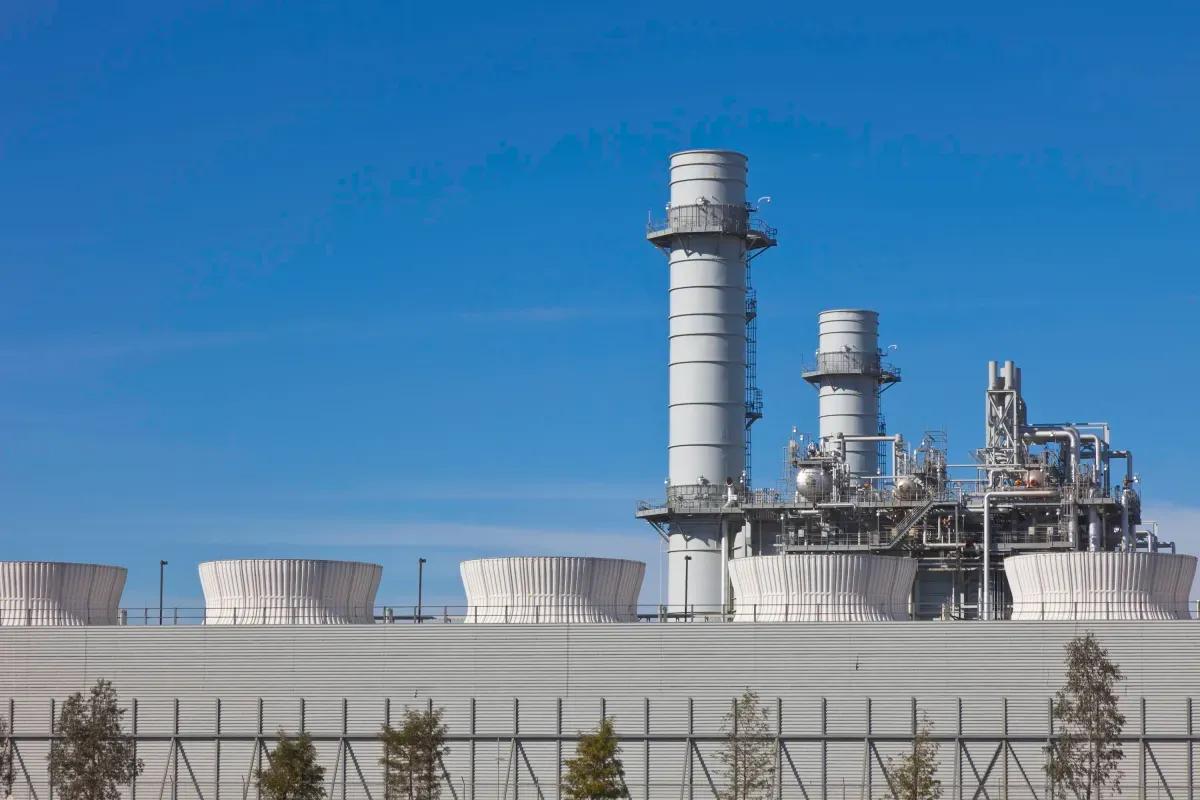
US datacenter power demand is growing ten times faster than the grid can expand, per Howden. AI companies are turning to gas turbines and nuclear reactors, but those fixes carry their own costs and delays.
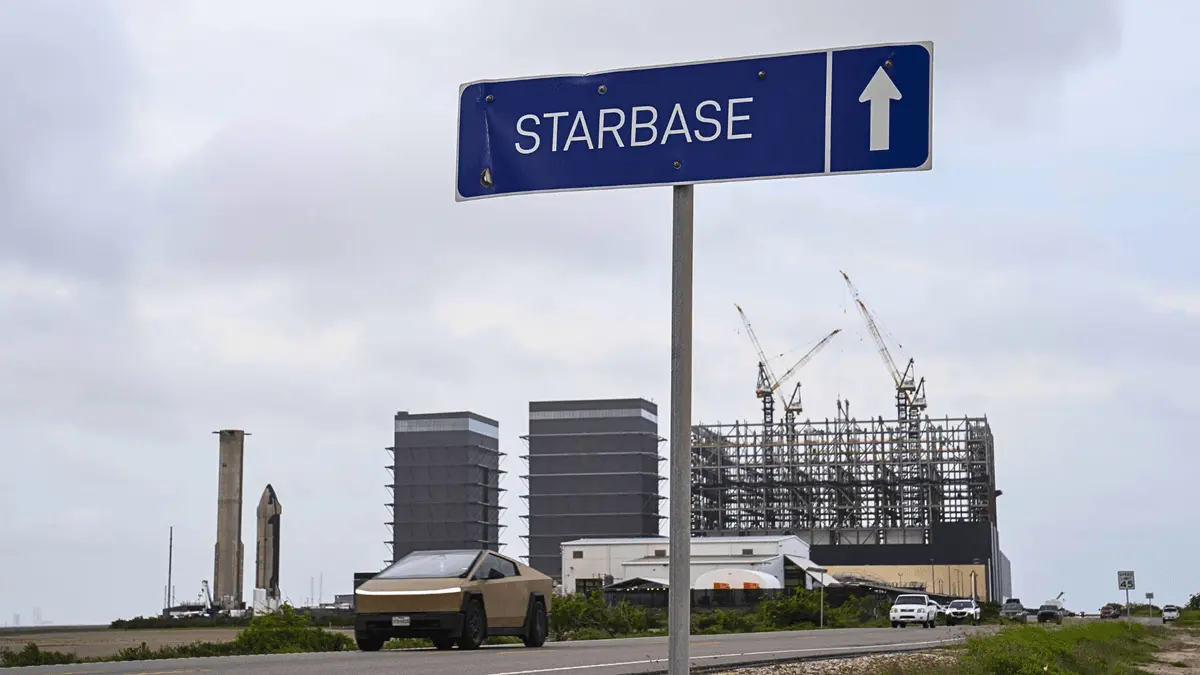
SpaceX has filed for regulatory approval to build a massive $24 billion AI computing complex in Starbase Texas, powered by 35 natural gas turbines generating 748 megawatts. The project faces potential regulatory hurdles from incoming governor Gina Hinojosa, who campaigned on restricting data center approvals until stronger protections are enacted.
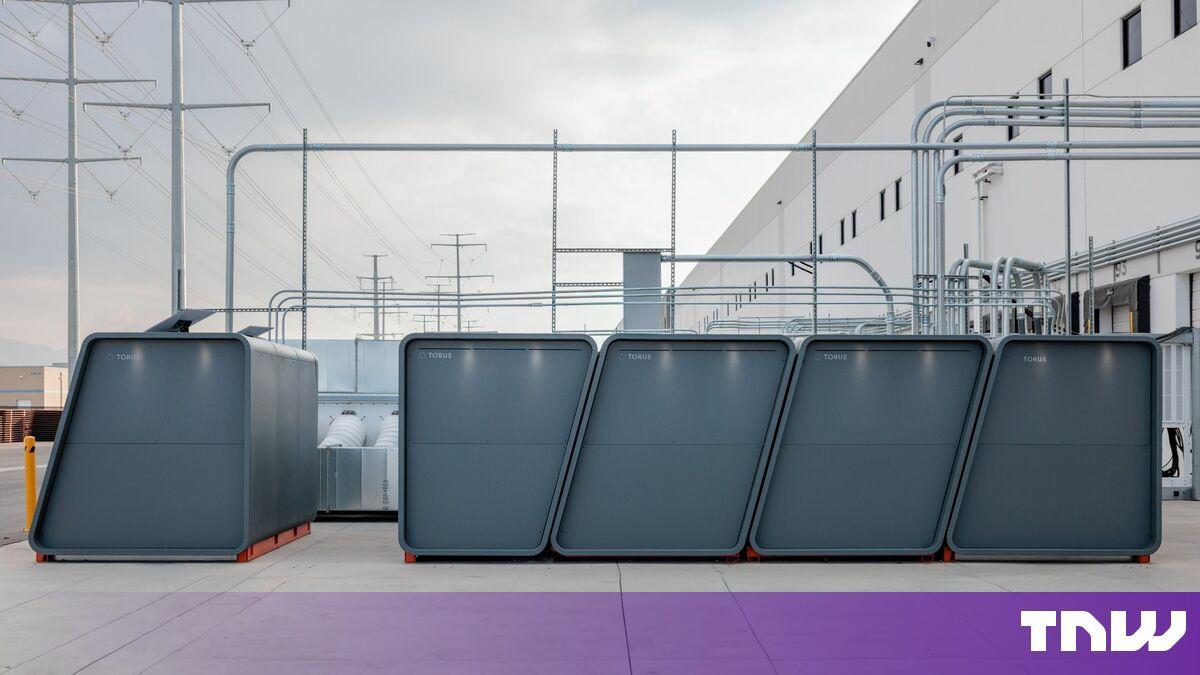
Salt Lake City-based Torus raised $500 million in Series C funding led by Magnetar to launch Foundry, prefabricated AI inference computing units that can be deployed at existing sites in 12 to 16 weeks. The modular data centers range from 1 to 20 megawatts and use available grid capacity, bypassing the need for new power infrastructure as US data center developers face mounting power constraints.
The U.S. Energy Information Administration forecasts US power demand will climb to historic levels, reaching 4,370 billion kWh by 2027. AI data centers and broader electrification trends are fueling this surge, marking three consecutive years of record high electricity consumption while reshaping America's energy landscape.
SpaceX AI expansion accelerates with plans to add 10GW data center capacity by 2027—matching Google's cumulative development. Elon Musk orders 100GW solar manufacturing equipment from Germany's SINGULUS TECHNOLOGIES for Starmind AI satellites, targeting a $28.5 trillion market with space-based computing infrastructure.
Chicago Fed President Austan Goolsbee cautioned that the AI data center boom is creating old-fashioned demand overheating in the economy. With over 1,500 facilities in development and infrastructure bottlenecks mounting, Federal Reserve officials are signaling potential aggressive monetary policy responses to combat rising inflation risks.
Norway's government has temporarily blocked new data centers from connecting to its power grid as connection requests reach 26,000 megawatts—exceeding the country's total current capacity. The Norwegian government will implement a licensing scheme favoring defense and critical infrastructure over global cloud operators.
The AI power rush has created an unprecedented bottleneck in energy infrastructure. With new gas turbine deliveries stretching to 2030-2031, AI data centres are turning to second-hand turbines, refurbished equipment, and converted jet engines to meet soaring power demand.
Anthropic struck a $3.4 billion deal to secure 1.7 gigawatts of gas-fired generators from OnePWR Solutions, taking over equipment orders originally placed with Caterpillar. The transaction highlights how surging power demands of AI are forcing companies to bypass traditional suppliers and directly control power-generation equipment amid six-year backlogs.
Google launched its first Project Suncatcher prototype satellite carrying Tensor Processing Units into orbit, successfully running the Gemma 4 AI model in space. But the company's own energy chief warns space-based data centers could cost up to 100 times more than terrestrial AI infrastructure, casting doubt on commercial viability despite backing from tech titans and venture capitalists.
Conservation organizations worldwide are deploying AI for wildlife tracking and climate data analysis, yet face a stark contradiction: the technology consumes massive amounts of electricity and water. Data center energy consumption could double by 2030 to 945 terawatt-hours annually, equivalent to Japan's total electricity use.
Google has acquired Crusoe's unfinished data center site in southeast Wyoming and will invest $17 billion to develop it. The deal came after the AI infrastructure developer failed to secure customers, with Google raising concerns about costs and construction timelines. Despite the setback, Crusoe maintains over 6 gigawatts of contracted capacity.
NVIDIA Vera CPU is disrupting the Agentic AI segment with industry-leading performance. The chip delivers 2x faster agent speed than AMD's 256-core EPYC Venice and 1.6x more agents per watt than the 96-core frequency-optimized variant, while early adopters report production gains of up to 2.2x on agentic orchestration workloads.
Over 150 protesters were arrested after a demonstration at a Microsoft AI data center construction site in Amsterdam escalated into violence. The action marks the beginning of a coordinated European campaign by the Stop Dirty Data Centers coalition, with 85 planned protests across 16 countries demanding a halt to AI data center expansion amid growing concerns over energy consumption, water usage, and environmental impact.
Don’t drown in AI news. We cut through the noise - filtering, ranking and summarizing the most important AI news, breakthroughs and research daily. Follow topics that matter to you and stay ahead.