Share
Linkedin
Twitter
Facebook
Whatsapp
Copy Link
Morgan Stanley has defended Broadcom against investor concerns about rising competition, calling it a core AI winner second only to Nvidia. The firm projects Broadcom will retain roughly 80% of Google's tensor processing unit business despite MediaTek's entry, dismissing bearish forecasts as premature. Broadcom shares have dropped 22% from their June peak despite recent chip deals with Apple, Meta, and Google.
IBM shares suffered their worst single-day drop since 1972, falling 25%, after the company revealed customers redirected budgets from mainframes to servers and storage amid AI hardware panic. CEO Arvind Krishna admitted the company failed to anticipate the magnitude of the spending shift as clients rushed to secure supply-constrained infrastructure before expected price increases.
AI finance startup Flex raised $70 million in a Series B1 round led by Ryan Smith's Halo Fund, doubling its valuation to $1.2 billion in just six months. The AI-powered finance startup targets mid-sized business owners with a bundled platform that combines banking, private credit, and cross-border payments using stablecoin rails across more than 100 countries.
Tower Semiconductor unveiled a $3 billion Japan expansion targeting silicon photonics and optical components for AI data centers, with Tokyo contributing $1 billion in grants. The dual-track project aims for full production by Q4 2027, with the company raising its 2028 revenue forecast to $3.6 billion as more than 70% of planned capacity is already committed through customer contracts.
Liang Wenfeng has overtaken Anthropic's Dario Amodei and OpenAI's Greg Brockman as the world's richest AI model creator. His net worth surged to $36 billion after DeepSeek's $7.4 billion funding round valued the company at $50 billion. What sets him apart is his 78% stake retention and unusual funding structure, where he personally invested $3 billion while maintaining voting control that Silicon Valley founders typically surrender.
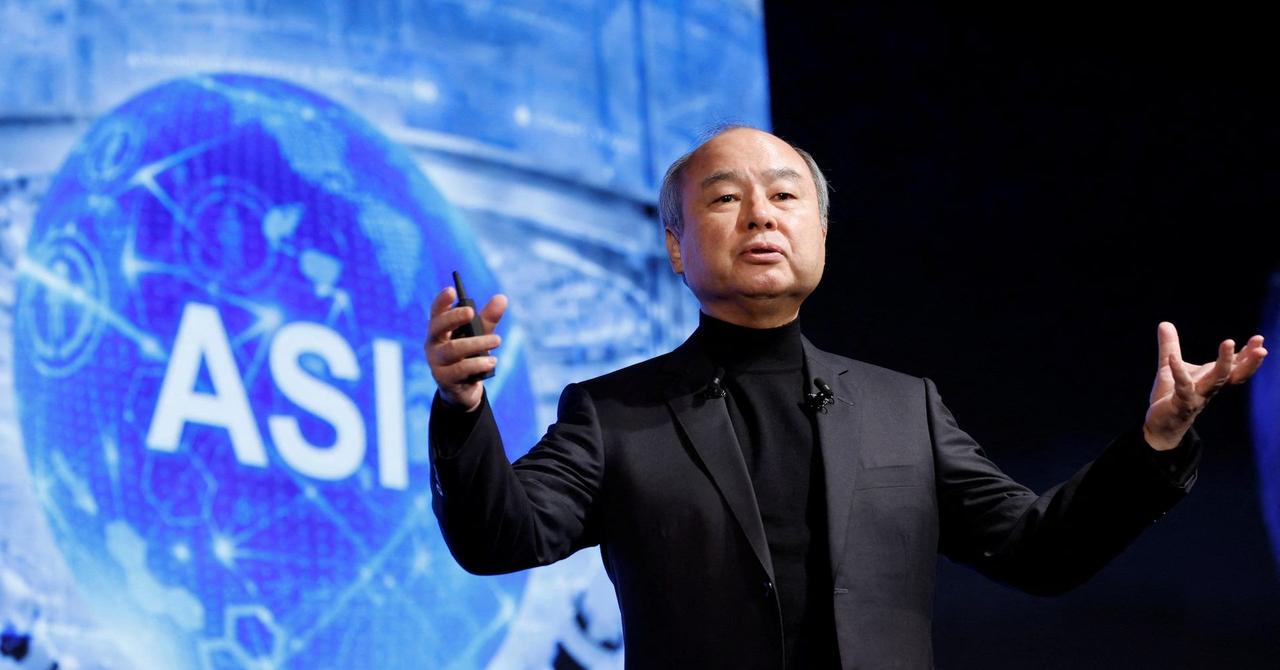
SoftBank CEO Masayoshi Son declared that AI will need $5 trillion per year by 2040 and dismissed bubble concerns as absurd at the company's annual conference in Tokyo. With over $60 billion invested in OpenAI, Son outlined a future where AI-related industries constitute 20% of global GDP and 100 trillion autonomous AI agents reshape society into an agent-centric world.
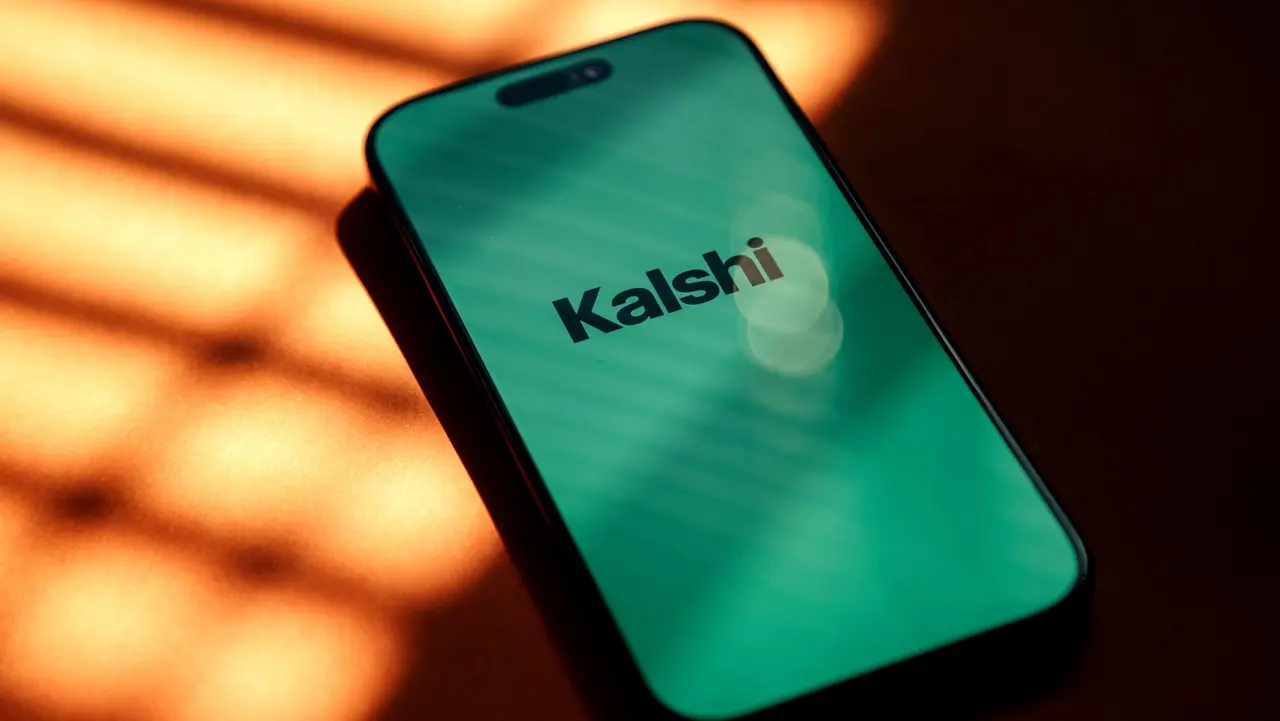
OpenAI has quietly partnered with Kalshi to display World Cup prediction market odds in ChatGPT search results, marking the AI company's first deal with a betting exchange. The integration shows real-time odds for matches like France versus Spain, but users cannot place bets through ChatGPT. The move signals prediction markets' rapid push into mainstream tech platforms.
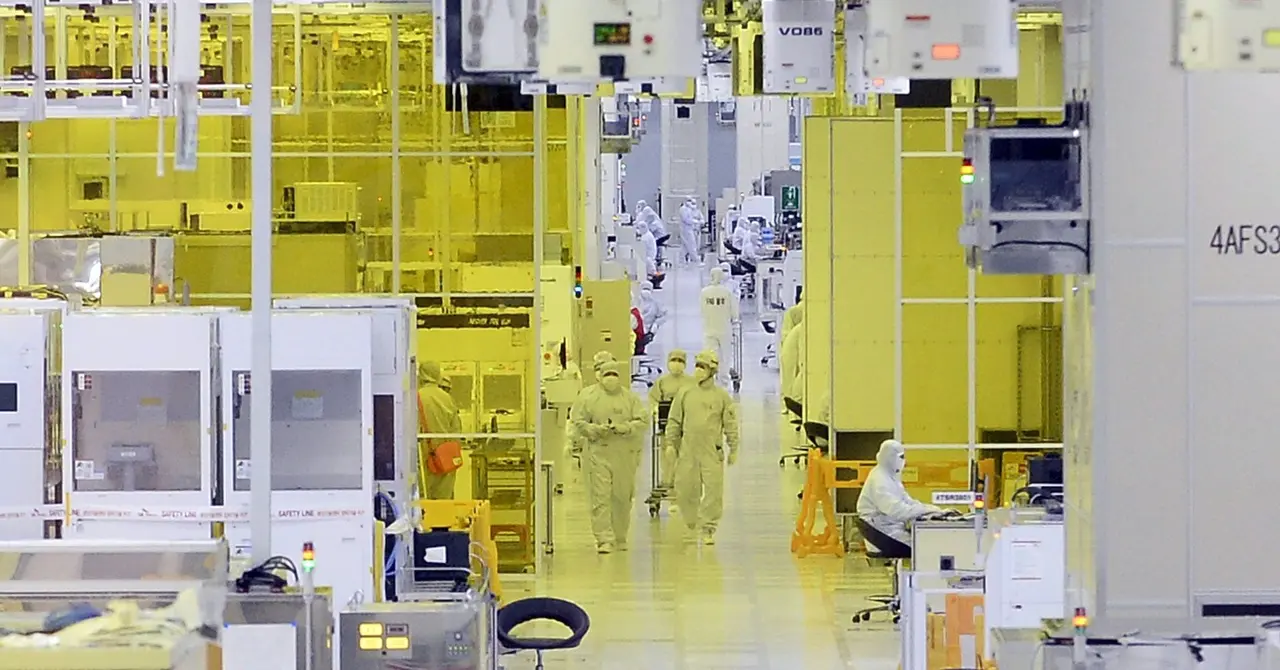
South Korea has raised its 2026 economic growth forecast to 3%, the strongest pace in five years, riding a global surge in AI chip demand. The government plans to fast-track mega projects covering semiconductor manufacturing, AI data centres and physical AI investments, backed by a 2027 budget exceeding 800 trillion won. The upgrade marks a sharp revision from the previous 2.0% forecast.
Major financial institutions are accelerating their adoption of agentic AI systems, with over half of banks now piloting digital assistants that work alongside human employees. Morgan Stanley plans to test client-facing agents this summer, while UBS reports advisors now spend 70% of their time with clients instead of on routine tasks. The technology is transforming functions from wealth management to trading, though regulatory concerns about oversight and accountability remain.
Major AI vendors including OpenAI, Anthropic, and GitHub are abandoning flat-rate subscriptions for usage-based pricing, pushing infrastructure costs onto customers. Forrester warns 80% of decision-makers expect software budgets to rise, while KPMG finds a third of executives struggle to understand their AI bills. The shift introduces unprecedented unpredictability in costs as companies pay per token rather than per seat.
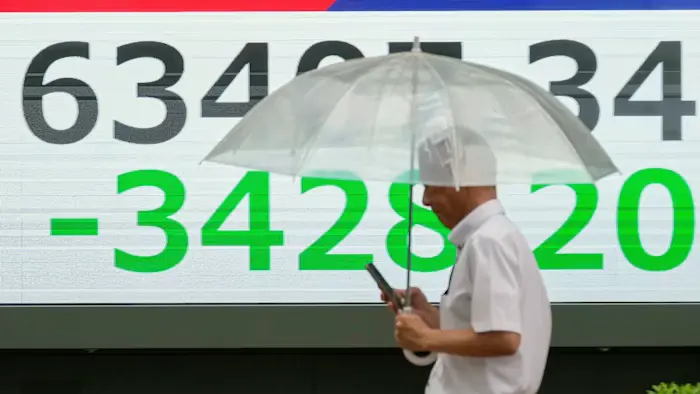
Global markets experienced sharp declines as AI stocks and chip stocks faced intense selling pressure. The Philadelphia Semiconductor index shed over 11% since June, while Japan's Nikkei 225 plunged more than 5%. Investors are questioning whether billions in AI infrastructure spending will deliver expected returns, triggering widespread profit-taking across technology sectors.
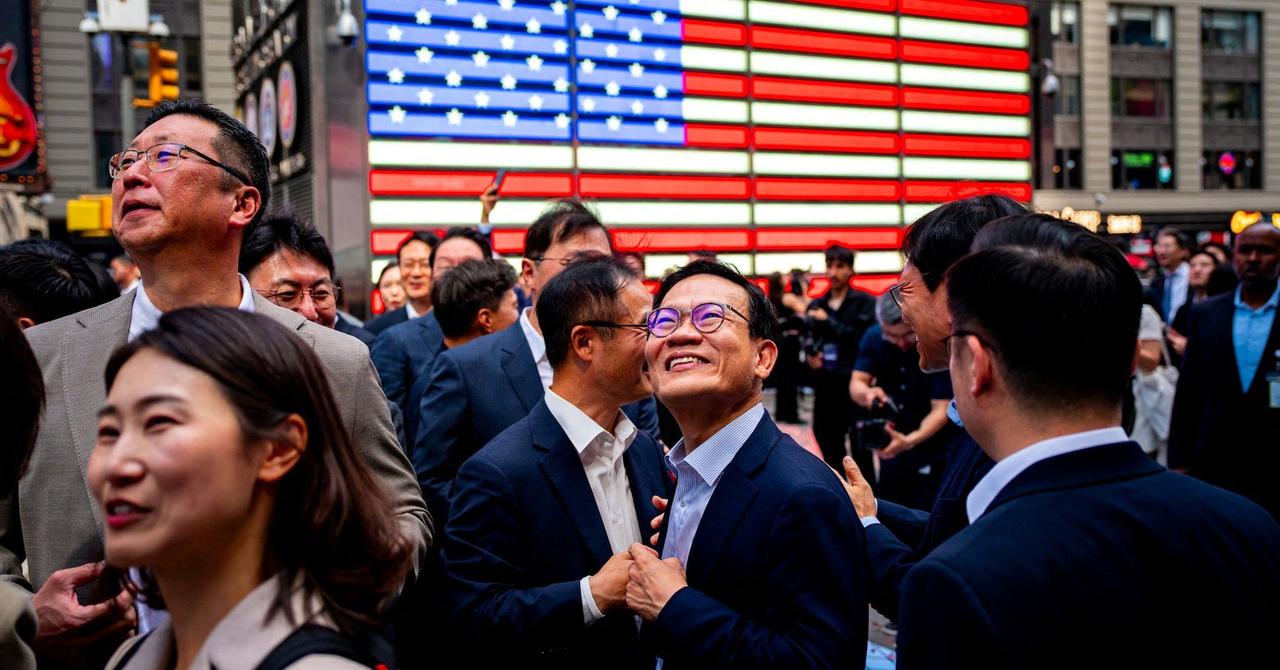
South Korean chipmaker SK Hynix completed a historic $26.5 billion Nasdaq listing, marking the largest U.S. share sale by a foreign company. Despite overwhelming demand driven by its central role in AI memory production, shares plunged over 15% days after debut. The volatility underscores growing concerns about sustainability of AI-driven rallies and signals that foreign investors may become more selective about Asian tech offerings.
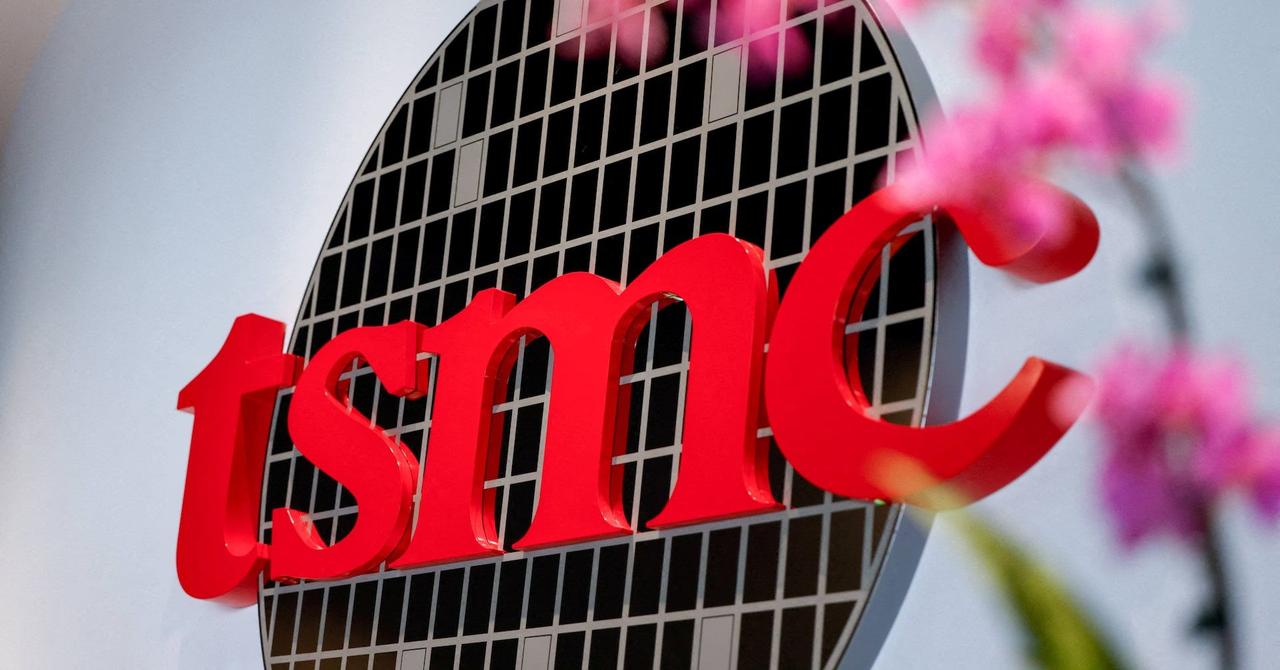
TSMC posted a record $22 billion quarterly profit, up 77%, fueled by surging demand for AI chips from customers like Nvidia. The chipmaker is committing an additional $100 billion to its Arizona expansion, bringing total investment to $265 billion, as CFO Wendell Huang signals confidence in multi-year AI-driven growth despite construction challenges and geopolitical headwinds.
AI infrastructure investment is creating significant inflationary pressure across the US economy, with computer software and accessory prices jumping over 17% in the past year—the largest increase since records began in 1997. Major tech companies are expected to invest $720 billion this year on data centers, driving memory chip costs up by as much as 400% and pushing electricity prices higher as utilities struggle to meet surging demand.
A national survey finds overwhelming support for forcing AI companies to transfer half their stock to a public sovereign wealth fund. The proposal, championed by Senator Bernie Sanders, comes as tech layoffs surge and workers grow frustrated with job losses despite rising corporate AI spending. Goldman Sachs estimates 15 million workers could be displaced during the AI transition.
Don’t drown in AI news. We cut through the noise - filtering, ranking and summarizing the most important AI news, breakthroughs and research daily. Follow topics that matter to you and stay ahead.