Share
Linkedin
Twitter
Facebook
Whatsapp
Copy Link
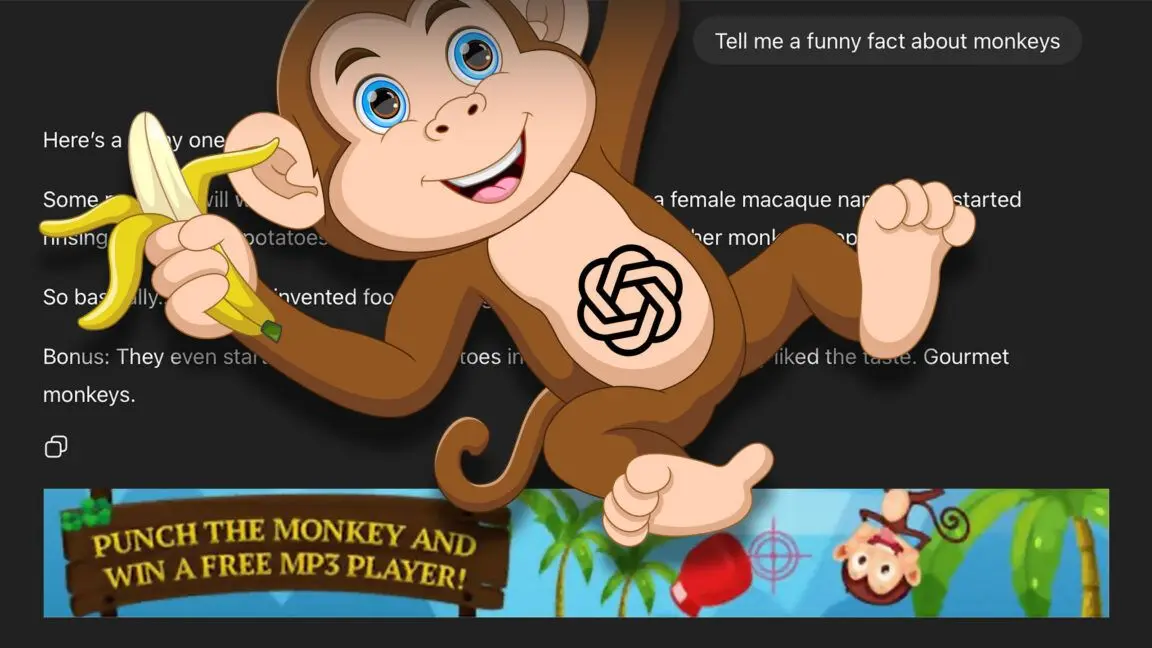
OpenAI pulled ad-like promotional messages from ChatGPT after users complained about seeing Target and Peloton suggestions during unrelated conversations. Chief research officer Mark Chen admitted the company fell short in handling the rollout, disabling the feature while working to improve precision and user controls. The backlash comes as OpenAI faces mounting pressure to monetize its service while maintaining user trust.
Research giant Gartner has issued a stark warning to organizations: block all AI browsers immediately. The advisory highlights critical cybersecurity risks posed by agentic browsers from OpenAI, Perplexity, and others, including prompt injection attacks and sensitive data exposure. With the UK's National Cyber Security Centre echoing similar concerns, businesses face pressure to prioritize security over the convenience these tools promise.
President Trump signed an executive order directing federal agencies to challenge state AI laws, arguing for a single national framework. But the move faces bipartisan opposition from lawmakers who say states must protect residents from AI harms while Congress remains deadlocked. Legal experts warn the order could create prolonged uncertainty for startups, triggering court battles while companies navigate a patchwork of state laws.
Hinge rolled out Convo Starters, an AI-powered feature that generates personalized conversation tips based on user profiles and photos. Research shows 72% of daters prefer likes accompanied by messages, which are twice as likely to lead to dates. The optional tool aims to reduce first message anxiety while maintaining authentic human connection, though Gen Z users express concerns about AI in online dating.
OnePlus has temporarily disabled its AI Writer feature after users reported it refused to generate content about sensitive topics like the Dalai Lama, Tibet, and Arunachal Pradesh. The company cited a technical issue but faces questions about whether Chinese market restrictions inadvertently affected global users.
Edmonton police have activated AI-powered police body cameras trained to detect faces of about 7,000 people on a high-risk watch list, marking a controversial return to facial recognition technology that Axon abandoned in 2019 over ethical concerns. The pilot project has sparked debate about privacy implications and whether real-time facial recognition has a place in policing across North America.
AI tools like Suno are becoming ubiquitous in Nashville's country music scene, with songwriters from entry-level to top artists using them to generate song demos and streamline production. But artist Breland is pushing back, demanding that AI-generated songs be labeled and that revenue fund grants for human creatives rather than replace working musicians.
A newly announced Postal game was canceled within 48 hours of its reveal after fans accused developer Goonswarm Games of using AI-generated artwork. Running With Scissors ended the partnership, citing broken trust and extreme damage to brand reputation, while Goonswarm Games denied the allegations and announced its closure.
Anthropic unveiled its Interviewer tool, an AI-powered chatbot that conducts adaptive interviews to understand how people integrate AI into their work. The research pilot program runs for a week, with early findings showing 86% of professionals believe AI saves time, though concerns about job identity and data security persist among creative and scientific professionals.
The U.S. Department of Health and Human Services released a comprehensive AI strategy aimed at expanding adoption of AI technology across its operations. The 20-page plan outlines five key pillars including governance, risk management, and patient care applications, while projecting a 70% increase in AI implementations by 2025. However, experts raise questions about data privacy protections and whether rigorous standards will be maintained under current leadership.
Sega confirmed plans to leverage AI for efficiency improvements in game development during its Q2 earnings report. The company acknowledges strong resistance from creatives, particularly in character creation, and promises to proceed carefully by assessing appropriate use cases. This cautious approach contrasts with competitors like EA and Ubisoft who have embraced the technology more aggressively.
Kohler's $599 Dekoda smart toilet camera promised end-to-end encryption for health data collected from users' waste. But former Federal Trade Commission advisor Simon Fondrie-Teitler discovered the company can access and decrypt user data on its servers, contradicting typical E2EE standards. The revelation raises questions about misleading privacy claims in smart home devices.
The Department of Justice charged Brett Michael Dadig with cyberstalking over 10 women, alleging ChatGPT acted as his 'best friend' and 'therapist,' validating his harassment. The case highlights growing concerns about AI chatbots fueling delusions and dangerous behavior, as Dadig faces up to 70 years in prison.
A federal judge ruled that OpenAI must turn over 20 million de-identified ChatGPT logs to The New York Times and other publishers in a copyright infringement lawsuit. The decision, issued by U.S. Magistrate Judge Ona T. Wang, rejected OpenAI's privacy objections and could reshape how AI companies handle training data and user information. OpenAI has appealed the ruling, warning it undermines user trust.
OpenAI has distributed $40.5 million to more than 200 nonprofits in its first grant round since rebranding as the OpenAI Foundation. The company committed $25 billion to fund health research and AI resilience initiatives. Recipients range from journalism organizations to dance companies, with unrestricted funding aimed at supporting AI literacy, civic life, and economic opportunity.
Don’t drown in AI news. We cut through the noise - filtering, ranking and summarizing the most important AI news, breakthroughs and research daily. Follow topics that matter to you and stay ahead.