Share
Linkedin
Twitter
Facebook
Whatsapp
Copy Link
Micron Technology has invested in Anthropic's Series H funding round and signed a multi-year supply agreement to provide memory and storage products for AI workloads. The partnership deepens collaboration on next-generation AI infrastructure design while Micron expands its deployment of Claude AI across engineering and manufacturing operations.
SpaceX has secured a major compute deal with open-source AI startup Reflection AI, worth up to $6.3 billion through 2029. The agreement grants Reflection access to Nvidia's latest GB300 AI chips at SpaceX's Colossus 2 data center in Memphis, Tennessee. This partnership highlights SpaceX's transformation into a data center powerhouse while reinforcing the growing momentum behind open-source AI models.
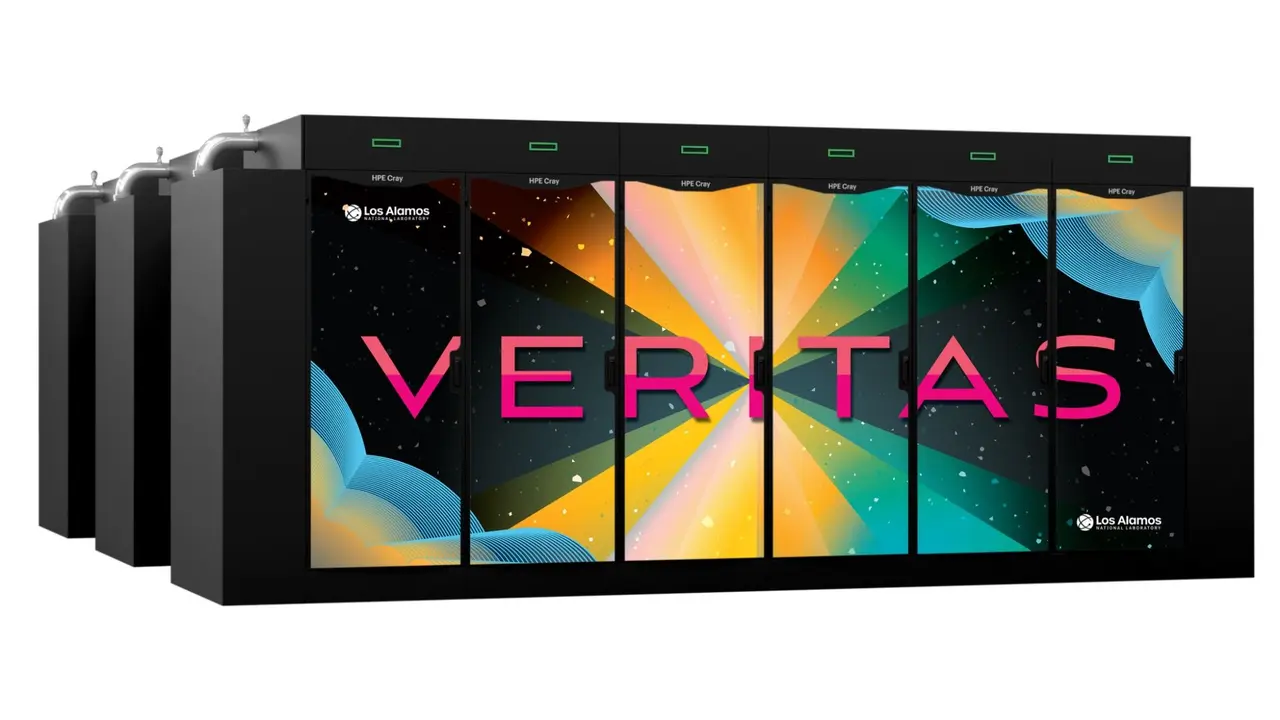
NVIDIA unveiled its Vera CPU and Vera Rubin platform to power next-generation supercomputers at Los Alamos National Laboratory. The Mission, Vision, and Veritas systems will accelerate agentic AI for science, delivering 7x higher performance on AI workloads and 3x faster simulation speeds. The deployment marks a shift toward AI agents that can autonomously form hypotheses, run simulations, and refine experiments.
Upscale AI closed a $190 million Series A-1 round led by Premji Invest, bringing total funding to $500 million and valuation to $2 billion in under 18 months. The startup is building open-standard networking fabric to connect AI chips from different manufacturers, challenging Nvidia's dominance in AI data center switches as spending approaches $100 billion annually by 2030.
Google is transforming its in-house tensor processing units into a direct competitor to Nvidia's market-leading position. With a $3.2 billion financial guarantee for the Lake Mariner data center and plans to raise $85 billion for AI infrastructure, Google is backing its TPU chips with serious capital. The move signals a shift from internal use to aggressive external competition in the booming AI hardware market.
SK hynix is raising up to $29 billion through a Nasdaq listing on July 10, channeling all proceeds into advanced AI memory fabrication facilities and EUV equipment. The move comes as the company overtakes Samsung to become South Korea's most valuable listed company, riding the wave of surging demand for high-bandwidth memory chips used in AI systems.
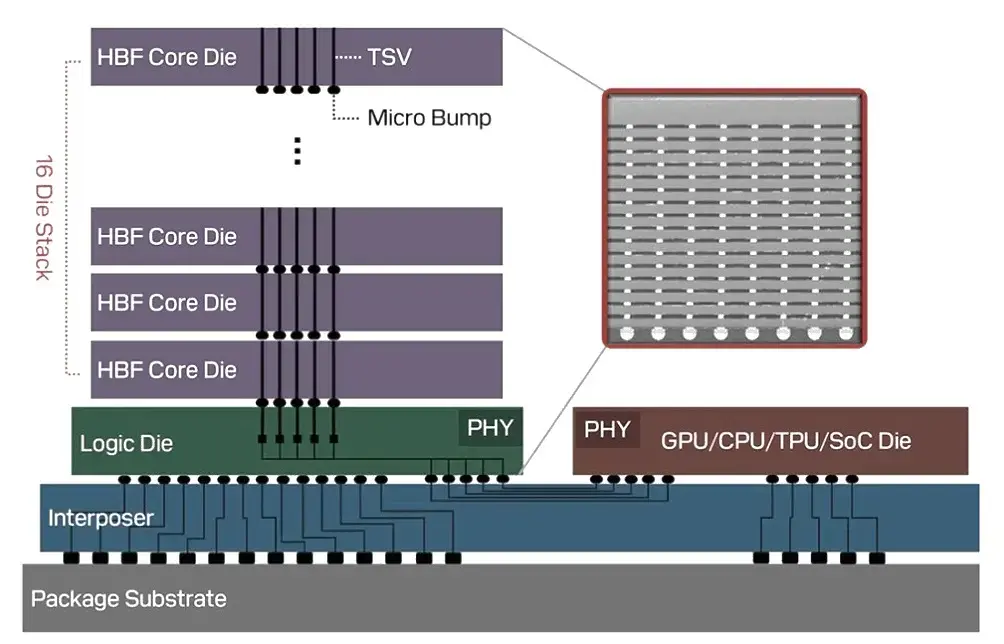
SanDisk has unveiled High-Bandwidth Flash (HBF), a memory architecture that stacks NAND flash directly beneath AI processors using advanced packaging. The technology could deliver up to 4 TB of storage capacity per stack, addressing HBM shortages and capacity constraints. While still in the patent stage, HBF represents a shift toward tiered memory solutions for AI workloads.
Tesla filed a trademark application for Megapod, a self-contained AI data center system combining servers, cooling, and power distribution. The move signals a strategic shift after shutting down its Dojo AI chip project, positioning Tesla to compete in AI infrastructure rather than chip manufacturing. But the company faces trademark conflicts and stiff competition from NVIDIA's established platforms.
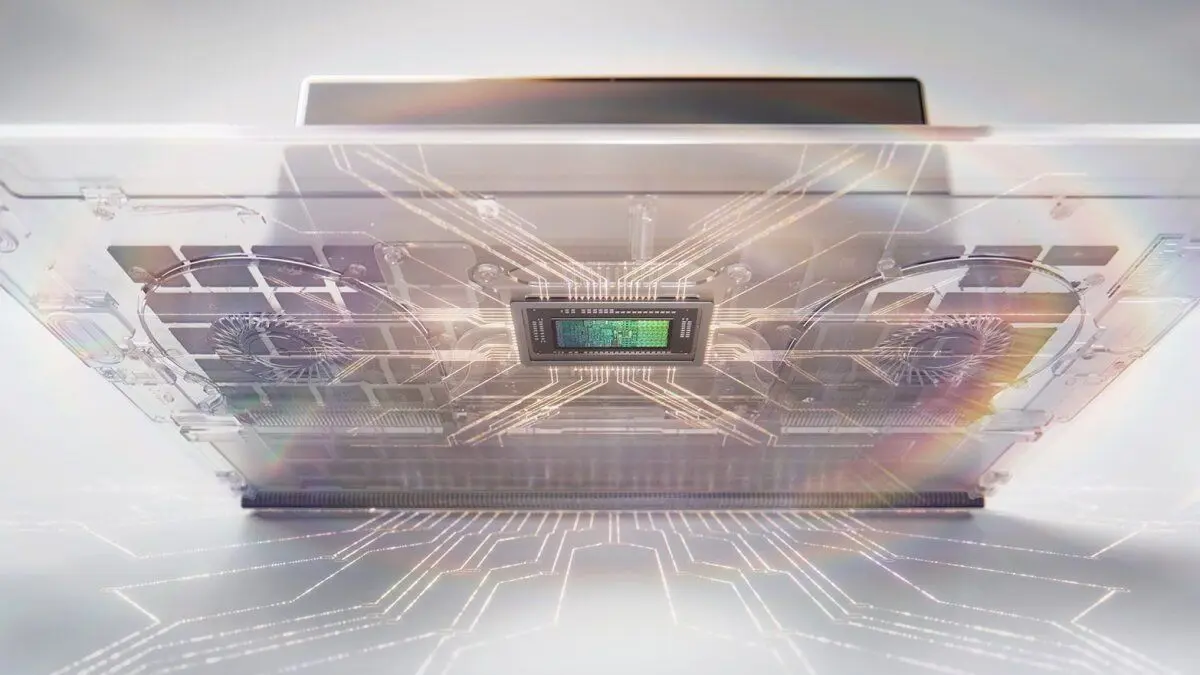
Nvidia unveiled RTX Spark at Computex 2026, an ARM-based superchip combining a 20-core Grace CPU with Blackwell RTX GPU and up to 128GB unified memory. Built with Microsoft for Surface hardware, it positions itself as an on-device AI powerhouse for creators and gamers, directly challenging Apple Silicon and Qualcomm's Snapdragon in the premium laptop market.
Micron Technology's quarterly earnings report has emerged as a critical indicator for the sustainability of the AI-driven stock market rally. With shares up 298% this year, investors are closely watching for signs that surging demand for high-bandwidth memory and AI data centers can continue. The report comes amid elevated valuations and questions about whether AI spending momentum can sustain its impressive trajectory.
China has intensified scrutiny of indium phosphide exports, a compound essential for high-speed optical chips in AI data centres. The export controls have driven InP wafer prices from $1,400 to $5,000—a 250% increase—as Beijing leverages its 70% share of global indium production. The move threatens to slow AI infrastructure buildout worldwide.
Abu Dhabi's AI-focused investment firm MGX is exploring a multi-billion dollar acquisition of Singapore-based data centre operator DayOne, sources reveal. The potential deal could mark MGX's first Asian acquisition as it pursues aggressive global expansion, though valuation differences around DayOne's $20 billion IPO target may complicate negotiations.
Intel has appointed Seok-Hee Lee, former CEO of SK hynix and SK On, as executive vice president of Intel Foundry to oversee advanced packaging, system integration, and back-end technology development. The hire comes as Intel splits advanced packaging into a dedicated business unit, aiming to capture billions in revenue from hyperscaler customers building next-generation AI systems.
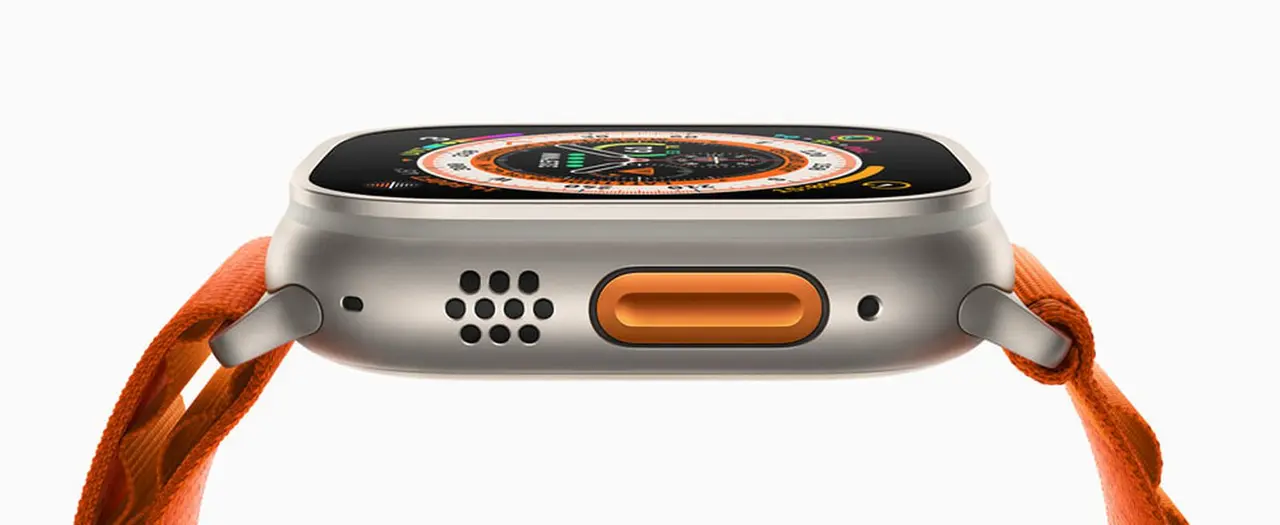
Apple has confirmed that five Apple Watch models won't receive watchOS 27, citing performance requirements for new Siri AI features. The Apple Watch Series 6, 7, 8, SE 2, and original Ultra will only get security updates going forward. This marks the first time Apple has dropped three years of device support in a single software update for the product line.
US Commerce Secretary Howard Lutnick told ASML executives he believes one of the Dutch chipmaker's extreme ultraviolet lithography machines may be operating in China, violating export controls from the first Trump administration. ASML, Europe's most valuable company at $700 billion, flatly denies the allegations and insists no EUV machine has ever been shipped to China. The dispute highlights tensions in the AI arms race and sent ASML shares down 2.6% before recovering.
Don’t drown in AI news. We cut through the noise - filtering, ranking and summarizing the most important AI news, breakthroughs and research daily. Follow topics that matter to you and stay ahead.