Share
Linkedin
Twitter
Facebook
Whatsapp
Copy Link
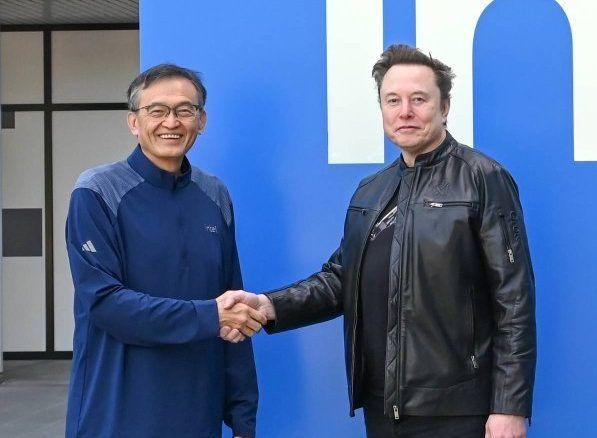
Indian Prime Minister Narendra Modi met with Qualcomm CEO Cristiano Amon to discuss India's progress in AI, semiconductor development, and digital upskilling. The meeting highlighted Qualcomm's commitment to India's technological advancement and its potential as a global innovation hub.
SemiAnalysis introduces InferenceMax, a new AI benchmarking suite that measures software stack efficiency and total cost of ownership for AI inference. The tool provides nightly updates and vendor-neutral comparisons, highlighting the importance of software optimization in AI performance.
SoftBank is in talks to secure a $5 billion margin loan using Arm Holdings shares as collateral. The funds are intended to boost investments in OpenAI and other AI projects, highlighting SoftBank's aggressive push into the AI sector.
Microsoft deploys its first large-scale AI system, showcasing existing infrastructure capabilities amidst OpenAI's push to build its own data centers. The move highlights the intensifying competition in AI computing power.
Microsoft has deployed a groundbreaking supercomputer-scale cluster of NVIDIA GB300 NVL72 systems on its Azure platform, featuring over 4,600 Blackwell Ultra GPUs. This state-of-the-art infrastructure aims to accelerate AI model training and inference for OpenAI's most demanding workloads.
MediaTek launches the Dimensity 9500 chipset at IMC 2025, challenging Qualcomm's dominance in India with advanced AI capabilities and console-grade gaming features. OPPO's Find X9 Series set to be the first global smartphone lineup powered by the new SoC.
China has blacklisted Canadian semiconductor research firm TechInsights following a report that exposed the use of foreign components in Huawei's latest AI chips. This move highlights the ongoing tensions in the global chip industry and China's push for technological self-sufficiency.
The US Senate passes a bill prioritizing AI chip sales to American companies, while China tightens customs checks on Nvidia GPUs. This escalation in the tech war puts Nvidia in a challenging position, potentially reshaping the global AI supply chain.
Singapore-based Megaspeed, a major Nvidia customer, is under investigation by U.S. and Singaporean authorities for allegedly helping Chinese companies bypass export restrictions on advanced AI chips.
Sony and AMD have teased groundbreaking technologies for future gaming consoles, likely the PlayStation 6. The collaboration, dubbed Project Amethyst, promises significant advancements in AI-driven graphics, ray tracing, and memory efficiency.
AMD announces its upcoming Instinct MI450 AI accelerators will use TSMC's 2nm process, potentially outpacing Nvidia's next-gen 3nm GPUs. This technological advancement, coupled with a major partnership with OpenAI, signals AMD's strong push into the AI hardware market.
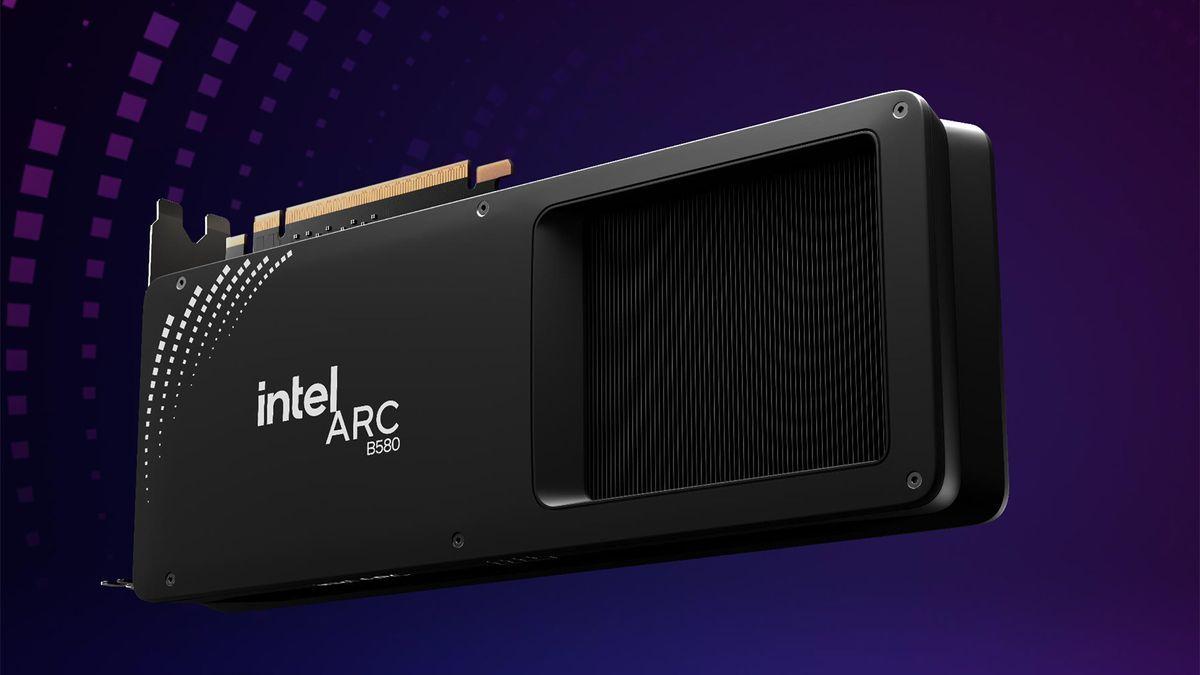
Intel announces XeSS 3 with Multi-Frame Generation (MFG) technology, challenging Nvidia's dominance in AI-enhanced gaming performance. The new feature promises significant frame rate boosts and will be available on a wide range of Intel GPUs.
Intel unveils its next-generation Panther Lake processors, promising improved performance, efficiency, and gaming capabilities. The new chips, set to debut in laptops by early 2026, mark Intel's shift to 2nm technology and introduce several innovative features.
Nvidia's significant investment in Intel marks a turning point in the AI chip industry. This collaboration aims to transform data centers and accelerate AI computing capabilities, potentially altering the competitive landscape in the semiconductor sector.
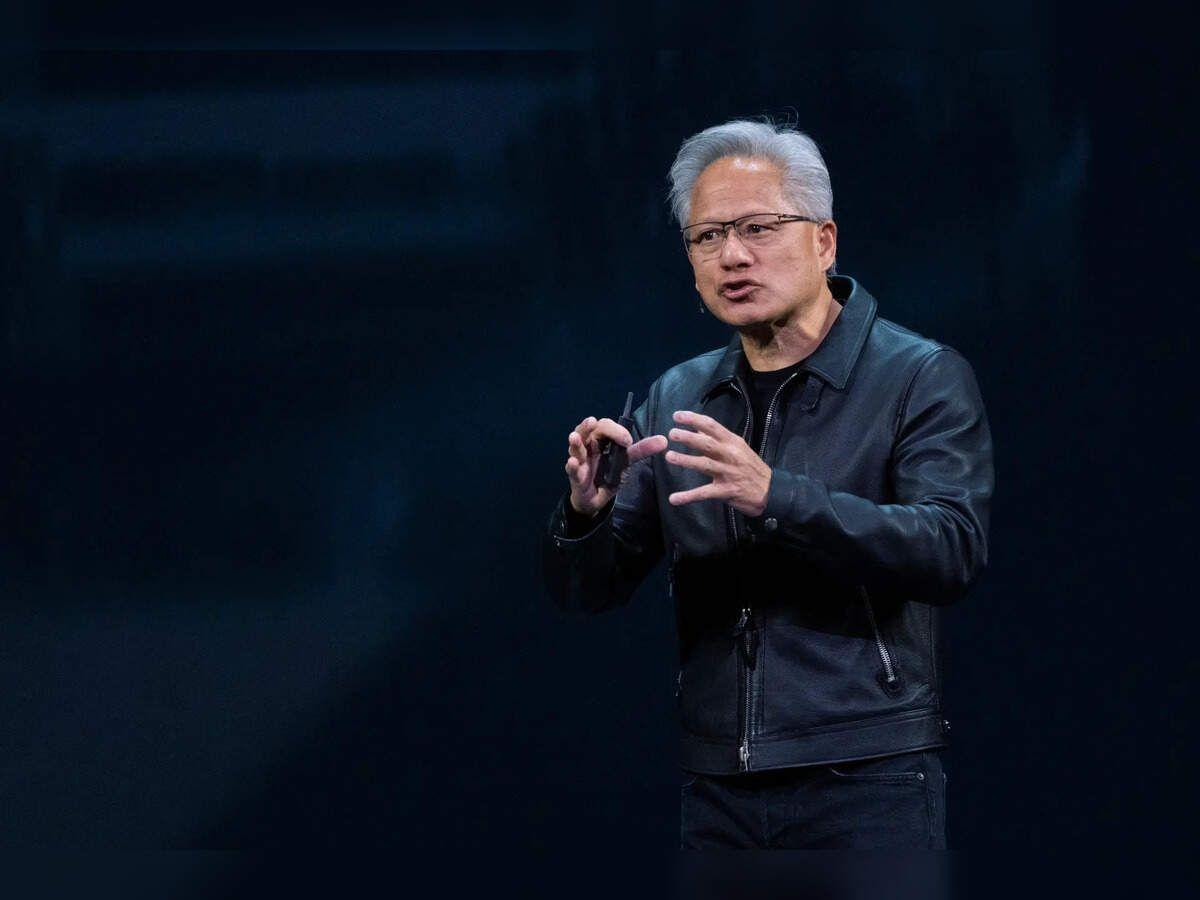
NVIDIA CEO Jensen Huang expresses surprise at AMD's decision to offer OpenAI a 10% stake in exchange for a major GPU purchase commitment. The deal intensifies competition in the AI chip market, with both companies vying for dominance.
Don’t drown in AI news. We cut through the noise - filtering, ranking and summarizing the most important AI news, breakthroughs and research daily. Follow topics that matter to you and stay ahead.