Share
Linkedin
Twitter
Facebook
Whatsapp
Copy Link
Munich-based Helsing closed a $1.8bn Series E at an $18bn valuation, making it Europe's largest defence startup. But the German defence technology company's 32x revenue multiple—far exceeding rivals like Anduril and Quantum Systems—has sparked concerns about a valuation bubble in the sector. Critics question whether European defence spending can sustain such lofty expectations.
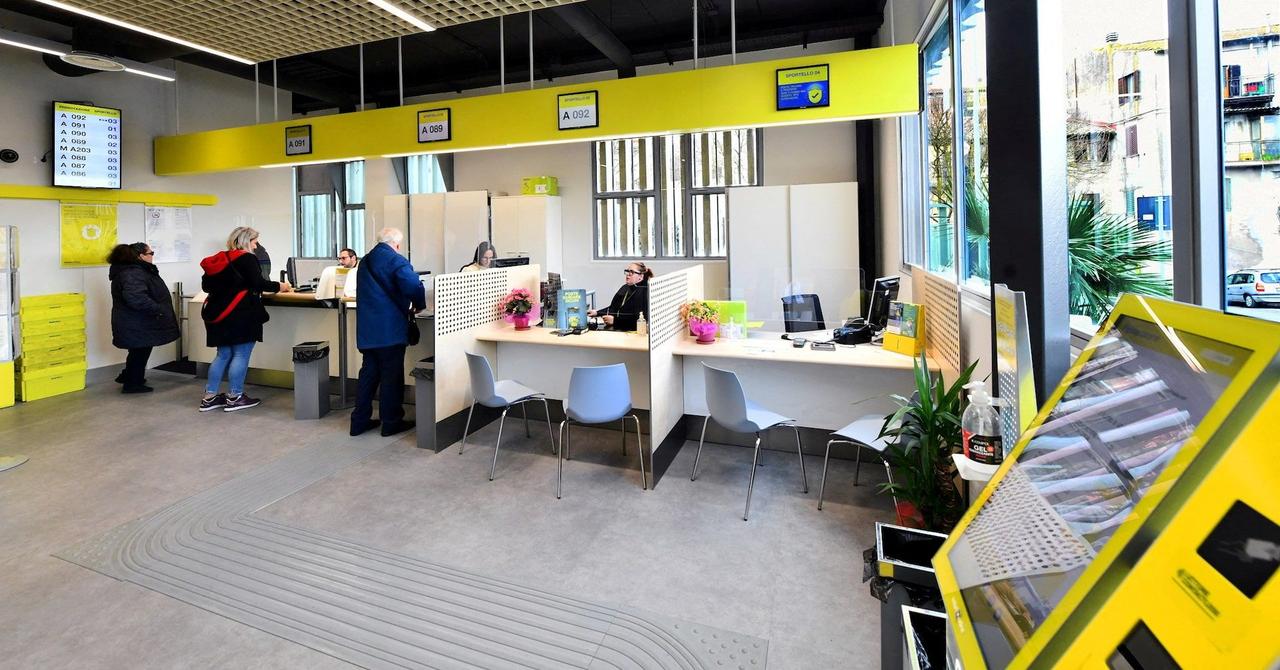
Poste Italiane, Italy's state-backed postal service, is making an unexpected move into the AI infrastructure race with a €13.5 billion bid for Telecom Italia. The company plans to transform its nationwide network of post offices and sorting centers into distributed computing hubs, positioning itself as a sovereign alternative to U.S. tech giants in Europe's push for digital independence.
Singapore's Temasek Holdings maintains its crypto ban four years after a $275 million FTX loss, citing regulatory uncertainty. The sovereign wealth fund plans to increase AI exposure from 6% to 15% by 2031, betting on automation, robotics, and AI adoption over frontier models.
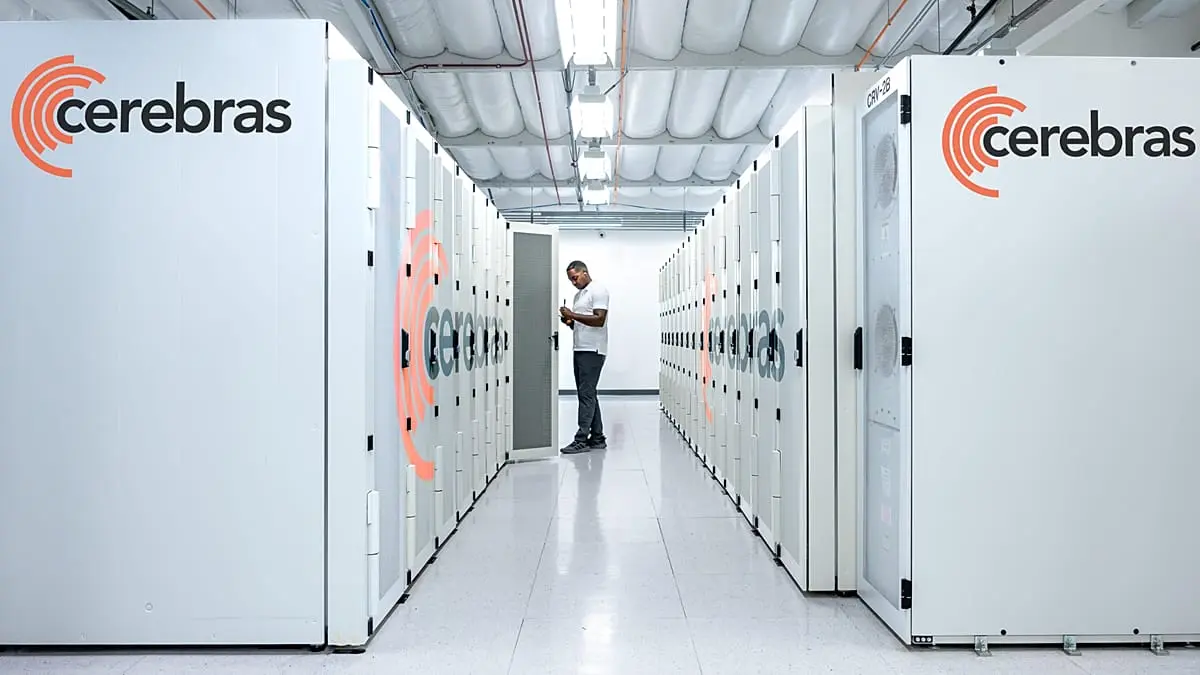
AI chip startup Cerebras accelerates its European expansion with plans to deploy 200MW of AI data center capacity by 2027 across France and the Nordics. The multibillion-dollar investment responds to soaring demand for local AI infrastructure and data sovereignty concerns, positioning the company to challenge Nvidia's dominance in the region.
US cybersecurity firm Rubrik announces a $500 million investment in Britain over five years, establishing London as its European headquarters. The commitment targets data sovereignty concerns, ransomware recovery capabilities, and AI security as the company expands across EMEA with nearly 2,000 customers in the region.
Helsinki-based NestAI, backed by Nokia and Finland's state investment firm with €100 million, is developing battlefield AI systems with Finnish and Estonian defense forces. The partnership focuses on building sovereign AI systems that European defense forces can control themselves, addressing Europe's discomfort with relying on foreign technology for critical infrastructure.
Swedish vibe-coding startup Lovable is negotiating to raise $300 million at a $13.2 billion valuation—exactly double what it achieved just six months ago. The company hit $500 million in annualized revenue in June with only 146 staff, cementing its position as one of Europe's fastest-growing AI companies. Menlo Ventures is expected to lead the round as vibe coding emerges as AI's most lucrative application.
German insurance giant Allianz is preparing to eliminate up to 1,800 positions at Allianz Partners over the next 12 to 18 months as AI automation replaces human workers in call centers. The cuts affect up to 8% of the division's workforce across Europe, with most reductions targeting the 14,000 employees who handle customer service and claims processing by phone.
Paris-based ZML, backed by Turing Award winner Yann LeCun, released ZML/LLMD, a free inference server that runs open-source language models across Nvidia, AMD, Google TPU, Intel Arc, and Apple Metal chips. The software aims to break vendor lock-in and reduce AI compute costs by letting enterprises mix chips for optimal performance and efficiency.
The International Monetary Fund downgraded its global growth forecast to 3% for 2026, citing energy price surges from the Iran war. However, booming investments in artificial intelligence are partially offsetting the conflict's economic damage. Countries like South Korea, Taiwan, Malaysia, and Thailand—major AI hardware exporters—are outperforming expectations, while energy importers face steeper challenges.
South Korean AI chip startup FuriosaAI has deployed its RNGD accelerators at Equinix's Lisbon datacenter, marking its first European expansion. The power-efficient chips offer 512 teraFLOPS while consuming just 180 watts, positioning the startup as a Nvidia alternative for enterprises seeking sovereign AI compute solutions. The company is also developing third-generation accelerators with Broadcom using HBM4 memory.
Rémi Cadène, who helped build the AI behind Tesla's Optimus, has emerged from stealth with UMA, a Paris-based startup developing Northstar, a lightweight humanoid robot for European factories and homes. The company is already in talks with 50 potential customers and plans to launch industrial pilot programs in manufacturing and logistics by the end of 2026.
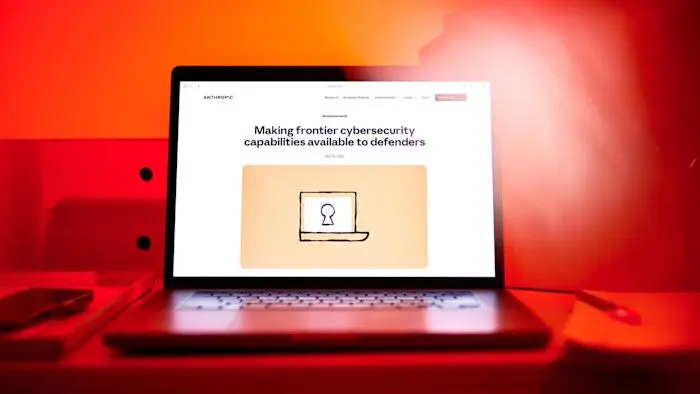
The European Central Bank has ordered 110 major eurozone banks to submit comprehensive action plans by end-October to combat AI-driven cyber attacks. Banking regulators warn that frontier AI models like Anthropic's Mythos can exploit vulnerabilities at unprecedented speed, posing systemic risks to the financial system and potentially triggering widespread disruption.
HCLTech announced a $1.14 billion contract with an unnamed European Fortune Global 50 firm to transform its digital workplace and enterprise networks using AI. The deal, spanning July 2026 to December 2031, is the IT services company's largest win since its $2.1 billion Verizon deal in August 2023. HCLTech shares jumped 6% on the news, lifting the broader Nifty IT index by 2.7%.
Infineon has launched its €5 billion Smart Power Fab in Dresden three months ahead of schedule, doubling manufacturing capacity for intelligent power semiconductors. The facility creates 1,000 jobs and produces chips for AI data centers, electric vehicles, and renewable energy systems, marking Europe's push toward tech autonomy under the EU Chips Act.
Don’t drown in AI news. We cut through the noise - filtering, ranking and summarizing the most important AI news, breakthroughs and research daily. Follow topics that matter to you and stay ahead.