Share
Linkedin
Twitter
Facebook
Whatsapp
Copy Link
Portugal unveiled Amalia, its first national AI model built for European Portuguese, joining Europe's push for AI sovereignty. Funded with €5.5 million in EU recovery funds, the open-source large language model enables public institutions, companies, and researchers to build tailored AI applications while reducing dependence on U.S. providers like OpenAI and Google.
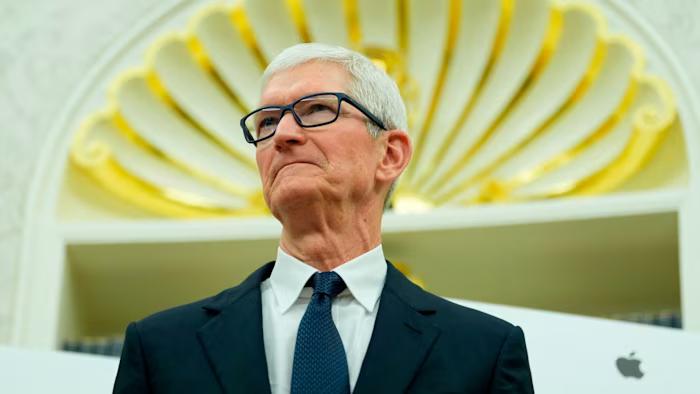
Apple CEO Tim Cook and EU tech chief Henna Virkkunen held a virtual meeting to discuss launching Siri AI in Europe while complying with the Digital Markets Act. The talks produced warm words but no breakthrough, leaving European iPhone and iPad users without access to Apple's new voice assistant when iOS 27 and iPadOS 27 arrive later this year.
Israeli autonomous driving firm Autobrains is betting on Europe as a key market for robotaxi growth, with CEO Igal Raichelgauz predicting 2026-2027 as an inflection point. The company is developing cost-effective self-driving technology using agentic AI to reduce reliance on expensive sensors, partnering with Uber to launch a robotaxi program in Munich.
Greece became the first nation to integrate a dedicated satellite array into its national firefighting system, launching four suitcase-sized satellites in May. Built by German company OroraTech, these thermal sensors can detect blazes as small as four meters wide and send real-time alerts to emergency commanders. The €200 million EU-funded project addresses climate change wildfire risk following deadly fires in 2018 and 2023.
Italy's competition authority has launched an investigation into Microsoft over allegations the company automatically moved subscribers to more expensive Microsoft 365 plans with AI features without adequate disclosure. The regulator claims customers were given insufficient information about Copilot and Designer integration and had to actively opt out of higher pricing, raising questions about consumer protection and transparency in AI pricing strategies.
Austria's State Secretary for Digitalization Alexander Pröll has formally asked the European Commission to explore hosting Anthropic within EU borders following US restrictions that blocked foreign access to the company's most advanced AI models. The proposal marks an unusual shift in Europe's AI sovereignty strategy, prioritizing guaranteed access over domestic ownership as Brussels grapples with its dependence on American technology.
French insurtech Alan has secured €480M in Series G funding led by Prosus at a €5.5 billion valuation, just three months after its previous round. The Paris-based company is reshaping health insurance with AI-driven prevention, bundling health cover, care navigation, and wellbeing services into a single platform that acts before illness strikes.
Steve Jarrett, who served as Orange's Chief AI Officer since 2019, is joining Anthropic in Paris to help adapt its Claude AI models for European and African markets. The move comes as the AI startup opens its sixth European office in Milan and plans to triple its international workforce ahead of a planned IPO this year.
The European Union has joined Pax Silica, a US-led initiative to secure AI chip supply chains and coordinate export controls against China. The decision comes just weeks after Brussels unveiled a tech-sovereignty agenda aimed at reducing dependence on foreign suppliers, creating tension between autonomy and practical cooperation on advanced semiconductors.
CoreWeave has entered a co-location agreement with Conapto to expand its data center capacity in Stockholm, marking its eighth European site. The deployment at Stockholm 4 South is already operational, powered entirely by renewable energy sources and equipped with NVIDIA's latest Blackwell Architecture to support growing demand for AI workloads across the continent.
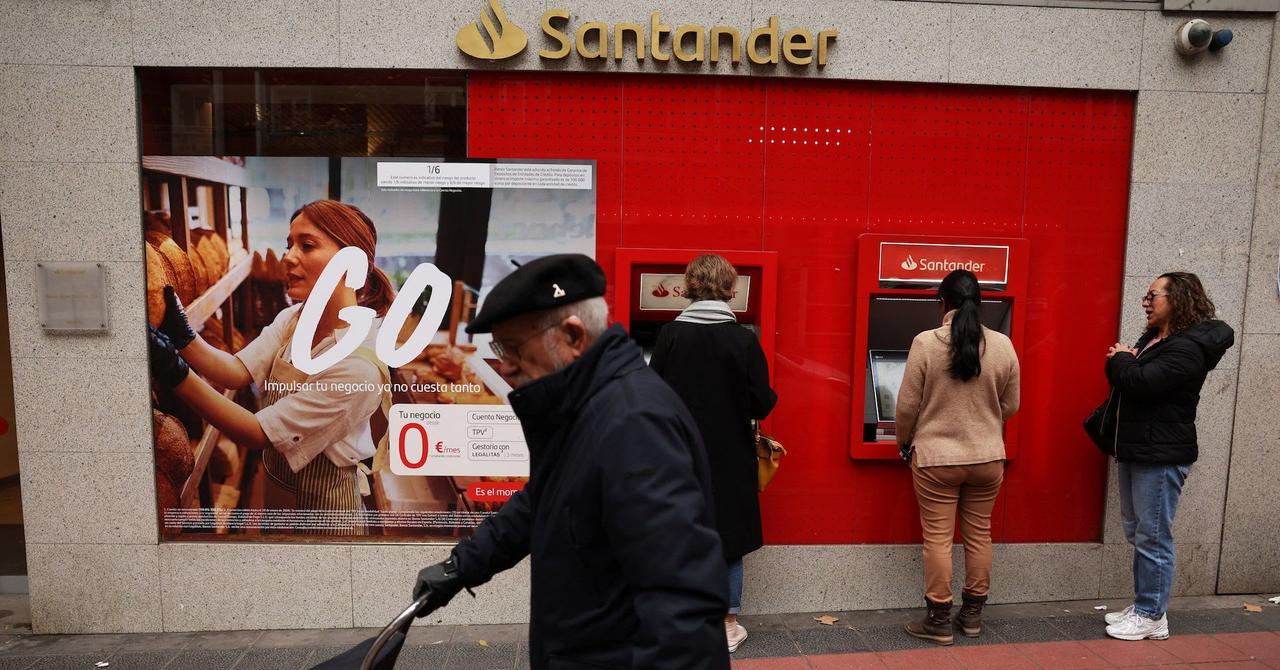
Spanish banking giant Santander has initiated talks with unions over voluntary early retirement for up to 3,000 employees in Spain, representing 10-15% of its domestic workforce. The move reflects broader AI-driven restructuring across European banks, with Santander projecting over €1 billion in cost savings and revenue from AI initiatives by 2028.
Dublin-based TensorX raised €8M in seed funding and partnered with Solstice on a $1 billion financing facility to expand sovereign AI infrastructure across the EU. The company is purchasing Nvidia Blackwell GPUs to deliver GDPR-compliant AI inference from EU-based data centers, targeting regulated industries that cannot send data abroad. Solstice will also launch aiUSX, a yield-bearing asset that lets companies finance the buildout with capital they already hold for AI.
The Netherlands has formally joined the US-led Pax Silica initiative to secure AI supply chains, marking a strategic victory for US tech diplomacy. However, tensions remain over the MATCH Act, which could restrict ASML from servicing chip equipment in China. Dutch Trade Minister Sjoerd Sjoerdsma expressed concerns that forced cooperation could undermine national security interests.
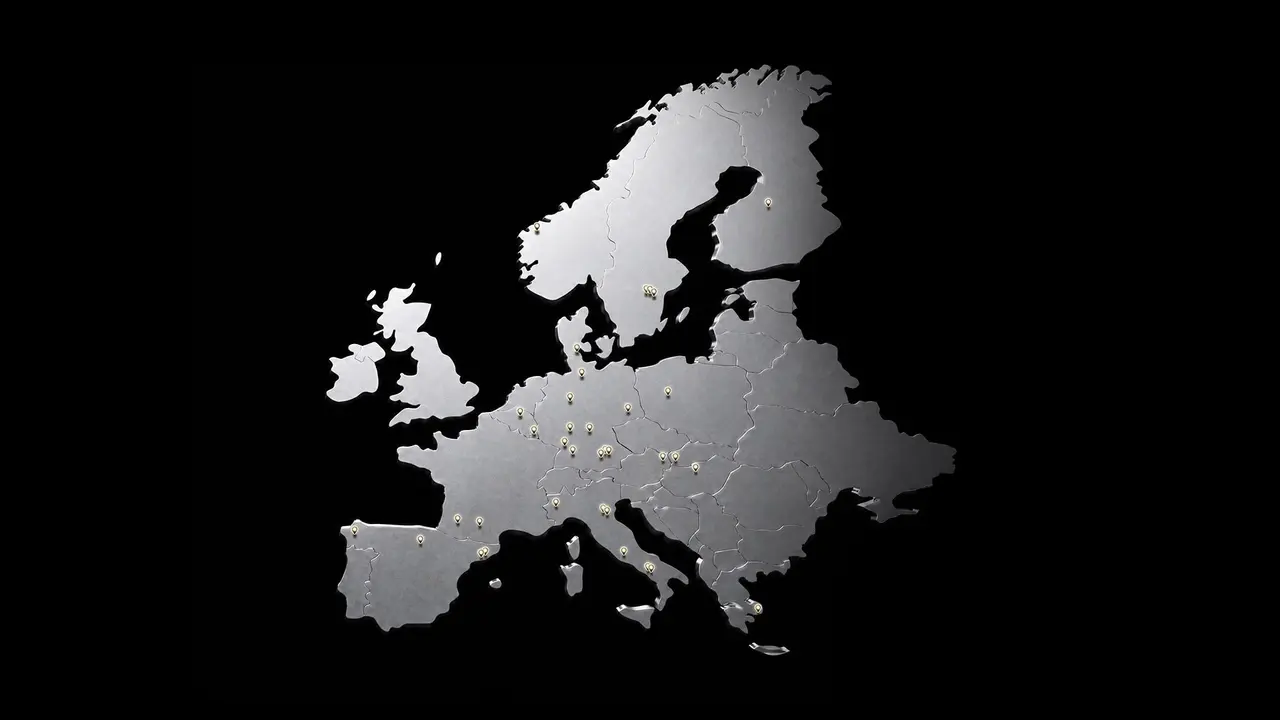
Europe is building 35 NVIDIA AI supercomputers spanning 23 countries, marking the continent's largest one-year expansion of AI infrastructure. The systems deliver 800 exaflops of AI compute power and will support over 3 million researchers working on climate science, healthcare, clean energy, and quantum computing breakthroughs.
European retailers including Amazon, H&M, and Ikea are lobbying to carve out AI-generated advertising from the EU AI Act's transparency requirements. The regulation, which takes effect August 2, requires companies to label AI-generated or modified content as deep fakes. Eurocommerce argues that routine promotional material poses minimal risk to consumers and shouldn't face the same compliance burden, especially when retailers like Zalando have already cut content costs by 90% using AI.
Don’t drown in AI news. We cut through the noise - filtering, ranking and summarizing the most important AI news, breakthroughs and research daily. Follow topics that matter to you and stay ahead.