Share
Linkedin
Twitter
Facebook
Whatsapp
Copy Link
Sony has temporarily suspended orders for nearly all its SD and CFexpress memory cards, citing a global memory shortage driven by AI data center expansion. The tech giant follows Western Digital in facing severe supply chain pressures, with no clear timeline for resuming production or sales of these consumer storage products.
SoftBank has taken on a record $40 billion unsecured bridge loan to finance its $30 billion follow-on investment in OpenAI, bringing its total stake to over $60 billion. The 12-month loan term suggests lenders anticipate an OpenAI IPO later this year, which would provide SoftBank the liquidity needed to repay the debt and cement its position at the center of the global AI boom.
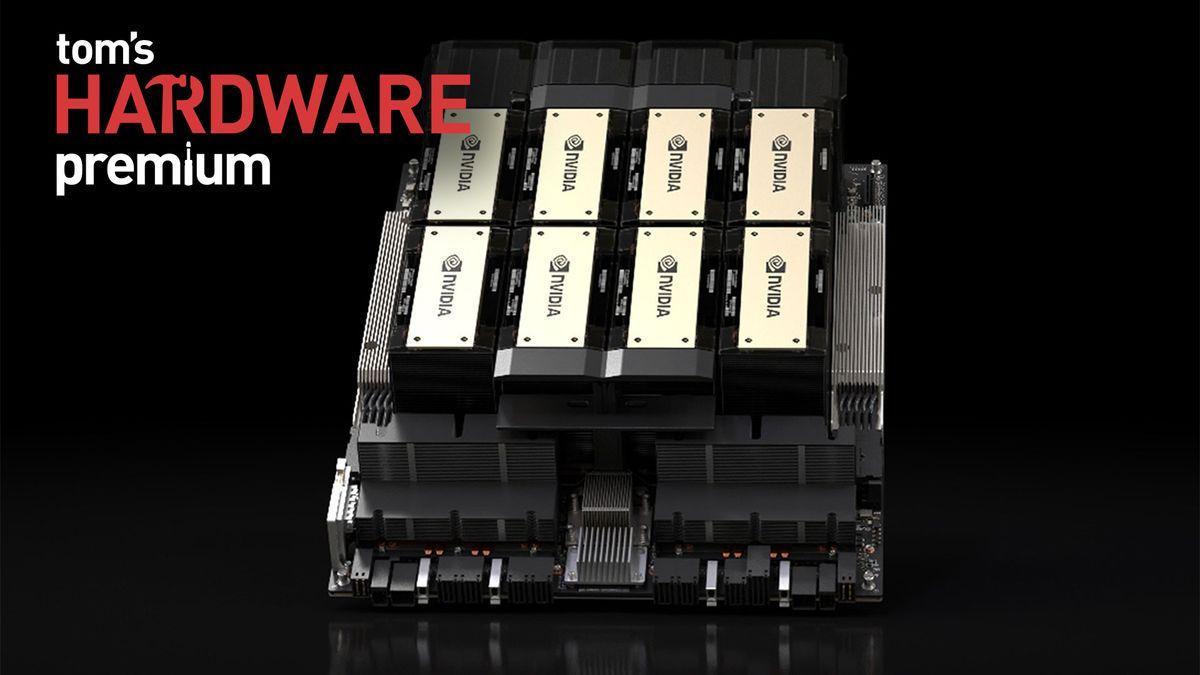
Four Chinese universities, including two linked to the People's Liberation Army, purchased Super Micro servers equipped with restricted Nvidia A100 chips over the past year despite US export controls. The acquisitions come amid a $2.5 billion smuggling case involving Super Micro's co-founder, prompting US senators to call for stricter export license controls on advanced AI hardware to China.
Huawei's Ascend 950PR AI chip has successfully completed customer testing, with ByteDance and Alibaba planning to place orders. The breakthrough comes from improved CUDA software system compatibility through CANN Next, making it easier for Chinese tech companies to migrate from Nvidia. Huawei plans to ship 750,000 chips this year as demand for domestic alternatives grows.
Apple granted out-of-cycle stock bonuses worth $200,000 to $400,000 to iPhone Product Design team members to combat talent attrition. The move targets retention as AI competitor OpenAI, working with former Apple design chief Jony Ive, recruits engineers for AI-centric hardware. Over 40 former Apple employees have already joined OpenAI's hardware initiatives.
David Sacks has completed his 130-day tenure as Trump's AI and crypto czar and is transitioning to co-chair the President's Council of Advisors on Science and Technology. The move shifts him from direct policymaking to an advisory role, though sources say his influence on Trump AI policy remains strong despite growing Republican skepticism.
A leaked screen protector listing from ESR reveals Apple's entry-level iPad (2026) will feature the A18 chip, bringing a 20-30% performance boost and potential Apple Intelligence support. The upgrade marks one of the most significant performance upgrades for the base iPad model in years, though design changes appear minimal.
Arm has launched its first in-house production silicon, the AGI CPU, marking a historic shift from IP licensor to compute provider. The 136-core processor targets agentic AI workloads in data centers, with Meta as lead partner and OpenAI among early adopters. Intel's leadership questions whether specialized chips are necessary, pointing to its own Clearwater Forest as a competitor.
Google unveiled TurboQuant, a memory compression algorithm that can reduce AI working memory requirements by at least 6x. The announcement triggered sharp declines in memory chip stocks, with SK Hynix falling 6% and Samsung dropping nearly 5%. But analysts warn the efficiency gains may paradoxically drive higher long-term demand for memory.
Normal Computing secured $50 million in Series B funding led by Samsung Catalyst to address the escalating cost and power consumption of AI chips. The startup is developing thermodynamic computing technology and an EDA platform already used by half of the world's top semiconductor companies. CEO Faris Sbahi warns data centers will hit an energy wall by 2030.
Meta laid off approximately 700 employees across Reality Labs, recruiting, and social media divisions as it accelerates its strategic shift to AI. The workforce reductions come as the company plans to spend up to $135 billion on AI infrastructure in 2026, nearly double last year's investment. Meanwhile, Meta unveiled a stock compensation program worth up to $921 million for six top executives.
PC manufacturers face severe shortages of Intel and AMD CPUs as AI data center demand redirects supply away from consumer markets. Lead times have stretched from two weeks to six months, with prices jumping 10% to 15%. Gaming PC makers warn the situation rivals the ongoing memory crisis, while manufacturers struggle to secure processors even at higher prices.
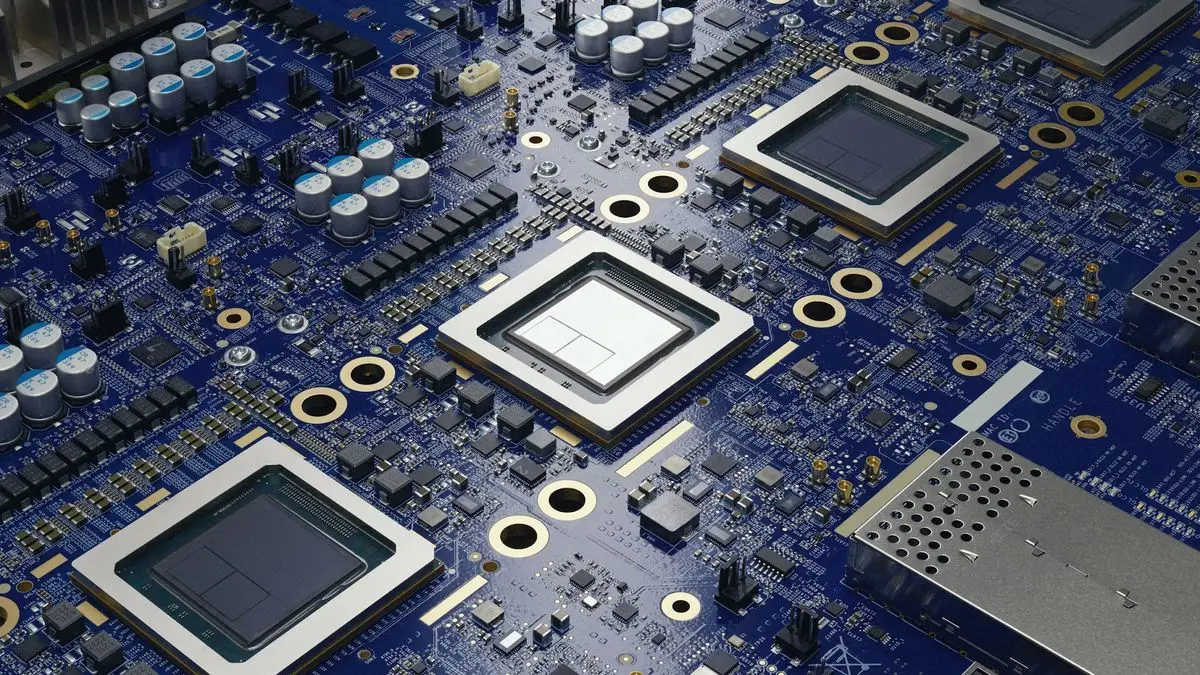
Intel launched the Arc Pro B70 and B65 workstation graphics cards, packing 32GB VRAM for AI workloads at $949. The cards feature Intel's largest Battlemage GPU yet with 32 Xe Cores and 367 TOPS performance, targeting local AI inference and professional applications. But there's a catch—these cards are not for gaming, despite using hardware originally designed for it.
Intel officially released its Core Ultra Series 3 Panther Lake processors with vPro certification, targeting the commercial PC market where AMD has gained ground. The chipmaker also launched Xeon 600 workstation CPUs and introduced new vPro features including a certification program for apps and accessories, promising improved power efficiency and AI-driven security capabilities.
Samsung has officially unveiled the Exynos 1680 chipset, bringing significant upgrades to mid-range phones with a 33% improvement in AI performance and 16% GPU boost. The new 4nm SoC features an upgraded Xclipse 550 GPU, 8K MAC NPU delivering 19.6 TOPS, and support for LPDDR5X RAM and UFS 4.1 storage. Set to debut in the Galaxy A57 next month, the chip focuses on faster on-device AI and better graphics.
Don’t drown in AI news. We cut through the noise - filtering, ranking and summarizing the most important AI news, breakthroughs and research daily. Follow topics that matter to you and stay ahead.