Share
Linkedin
Twitter
Facebook
Whatsapp
Copy Link
Researchers at Mass General Brigham developed an AI tool that tracks biological age through facial photographs, finding cancer patients age 40% faster than expected. The Face Aging Rate metric, published in Nature Communications, offers a non-invasive biomarker to guide personalized treatment planning and predict survival outcomes in oncology.
NASA's upcoming Nancy Grace Roman telescope will generate 20,000 terabytes of data, adding to the James Webb Space Telescope's daily 57 gigabytes. Astronomers like UC Santa Cruz's Brant Robertson are turning to AI and GPUs to analyze this flood of cosmic information, but they're now competing for scarce computing resources in an already strained market.
Researchers from Hebei Medical University Fourth Hospital developed a multimodal AI framework that combines whole-slide pathology images with clinical data to predict PIK3CA mutations in breast cancer. The model achieved an AUC of 0.745 in internal testing and demonstrated strong generalizability across external cohorts, offering a practical alternative to expensive molecular testing for guiding PI3K-targeted therapies.
Google Photos now offers AI-powered facial retouching tools that let users subtly enhance facial features, remove blemishes, and brighten eyes. The new Touch-Up menu brings professional photo editing capabilities to everyday users on Android devices with at least 4GB of RAM running Android 9.0 or newer.
Researchers used AI to analyze The Baptism of Christ at microscopic levels, examining paint texture down to single brushstrokes. The findings challenge the long-held belief that El Greco's son and workshop apprentices completed the unfinished painting after the master's death in 1614, suggesting instead that El Greco painted most of it himself.
Hilbert AI has raised $28 million in Series A funding led by Andreessen Horowitz to help consumer brands automate business decisions. The platform uses AI agents to analyze complex customer datasets and suggest actionable steps, promising to complete analytics projects in weeks instead of months. Major customers include Walmart and FreshDirect.
Scientists at the University of Oxford developed an AI tool that predicts heart failure risk up to 5 years in advance with 86% accuracy. The technology analyzes routine cardiac CT scans to detect subtle changes in fat around the heart linked to inflammation—changes invisible to clinicians using standard imaging techniques. High-risk patients were 20 times more likely to develop heart failure than those at lowest risk.
Netflix released VOID, an open-source AI model that removes objects from video while understanding physics and causality. Unlike traditional editing tools, VOID rewrites scenes to account for missing elements—erasing a car crash removes the debris and fire, deleting a person from a pool dive leaves the water undisturbed. The model could eliminate costly reshoots for studios.
Sony Interactive Entertainment has acquired UK-based Cinemersive Labs, a machine learning company specializing in converting 2D photos into 3D volumes. The startup's team will join Sony's Visual Computing Group to advance AI upscaling and visual fidelity for PlayStation games, potentially strengthening PSSR technology on the PS5 Pro and future hardware.
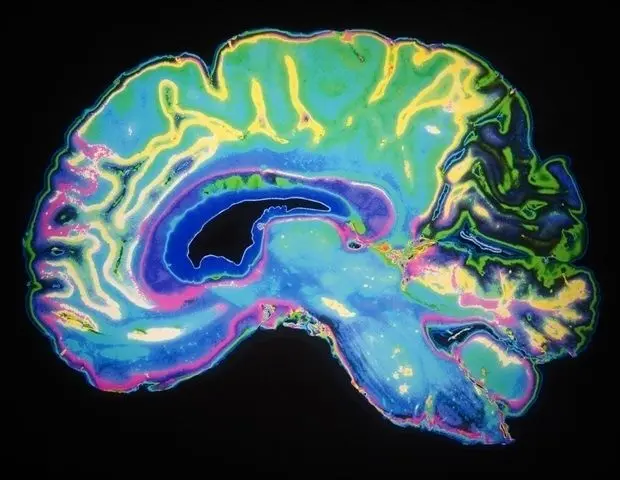
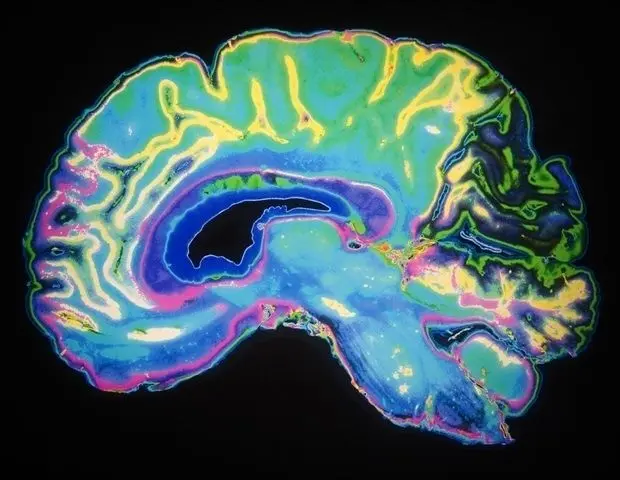
Researchers at UCLA developed a generative adversarial artificial intelligence framework that pits two AI models against each other to simulate conscious and unconscious brain states. The system, trained on over 680,000 neuroelectrophysiology samples, identified previously unknown mechanisms behind coma and predicted that stimulation of the subthalamic nucleus could help restore consciousness in patients with brain injuries.
NVIDIA announced DLSS 5, an AI-powered neural rendering technology launching fall 2026 that promises photorealistic graphics for games. The tech uses generative AI to enhance lighting and textures in real-time, transforming titles like Starfield, Hogwarts Legacy, and Resident Evil Requiem. But the announcement sparked backlash over concerns about AI altering game developers' artistic vision.
Sony's Mark Cerny confirmed that machine learning-based frame generation is coming to PlayStation platforms, while 14 games receive upgraded PSSR AI upscaling technology starting March 17. The new tech could significantly enhance visual smoothness on PS5 Pro, though experts warn of potential input latency trade-offs.
Google has developed an AI-powered system that predicts flash floods by analyzing historical news coverage. The Gemini AI model sorted through 5 million news articles to identify 2.6 million flood events, creating the Groundsource dataset. This novel approach addresses a critical data gap that has prevented accurate flash flood forecasting, which kills over 5,000 people annually.
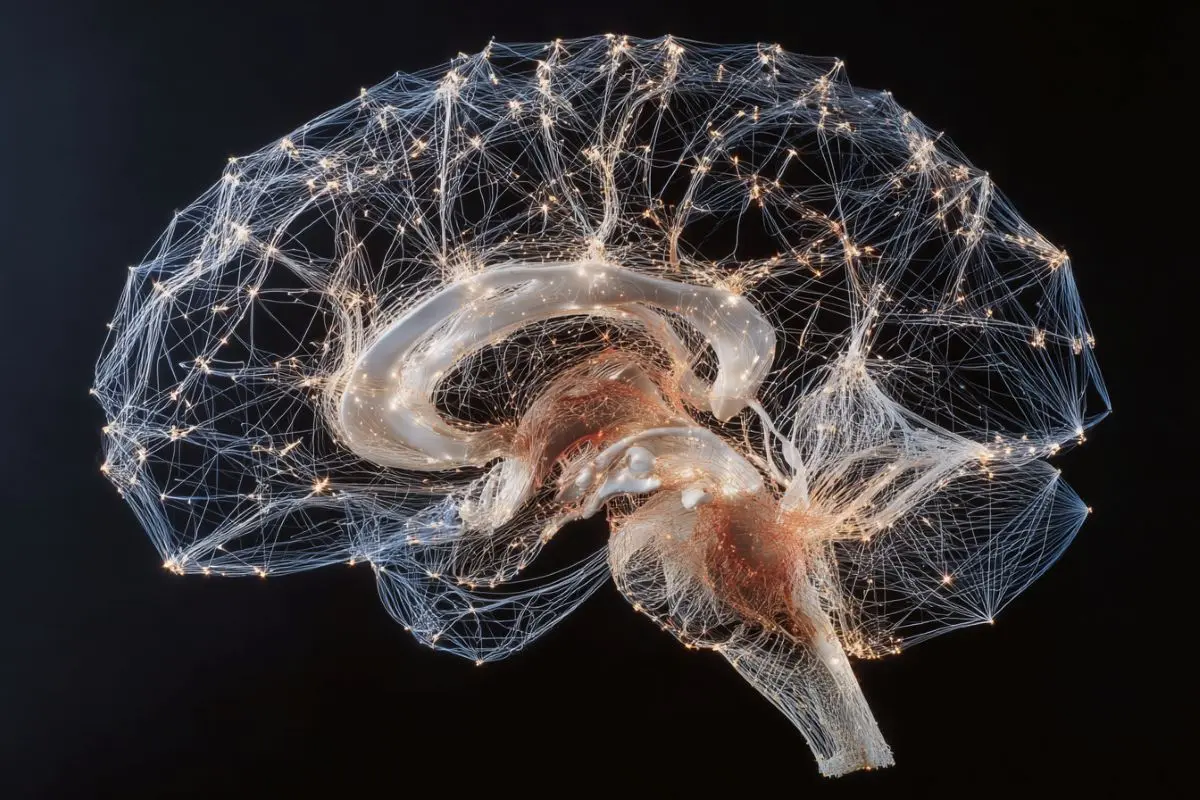
Researchers are using AI deep learning models and advanced brain imaging to decode human language development. Studies show AI can model how 2-year-olds process audiobooks, revealing that grammar skills mature between ages 2 and 10. The work challenges traditional views of language as living in just two brain regions, instead revealing it as a complex, interconnected system.
Major UK studies show AI integration into breast cancer screening increases detection rates by 10.4% and identifies up to 27.5% of interval cancers before they become visible. The technology also reduces radiologist workload by up to 44% while maintaining accuracy across diverse populations, marking a shift in how screening programs could operate.
Don’t drown in AI news. We cut through the noise - filtering, ranking and summarizing the most important AI news, breakthroughs and research daily. Follow topics that matter to you and stay ahead.